
Low back
pain.
The most common thing we treat — and one of the most fixable.
Around 80% of Australian adults experience low back pain at some point in their lives (lifetime prevalence measured at 79.2% in a population-based survey of 3,000 Australian adults — Walker, Muller and Grant, Journal of Manipulative and Physiological Therapeutics, 2004).
Last updated: October 2026
Around 80% of Australian adults experience low back pain at some point in their lives (lifetime prevalence measured at 79.2% in a population-based survey of 3,000 Australian adults — Walker, Muller and Grant, Journal of Manipulative and Physiological Therapeutics, 2004). Whether it came on suddenly lifting something, or crept in over months of desk work, there's almost always a clear mechanical cause — and a clear path out.
Common causes
Disc irritation
Read more →Facet joint dysfunction
Read more →Muscle guarding
Read more →SIJ dysfunction
Read more →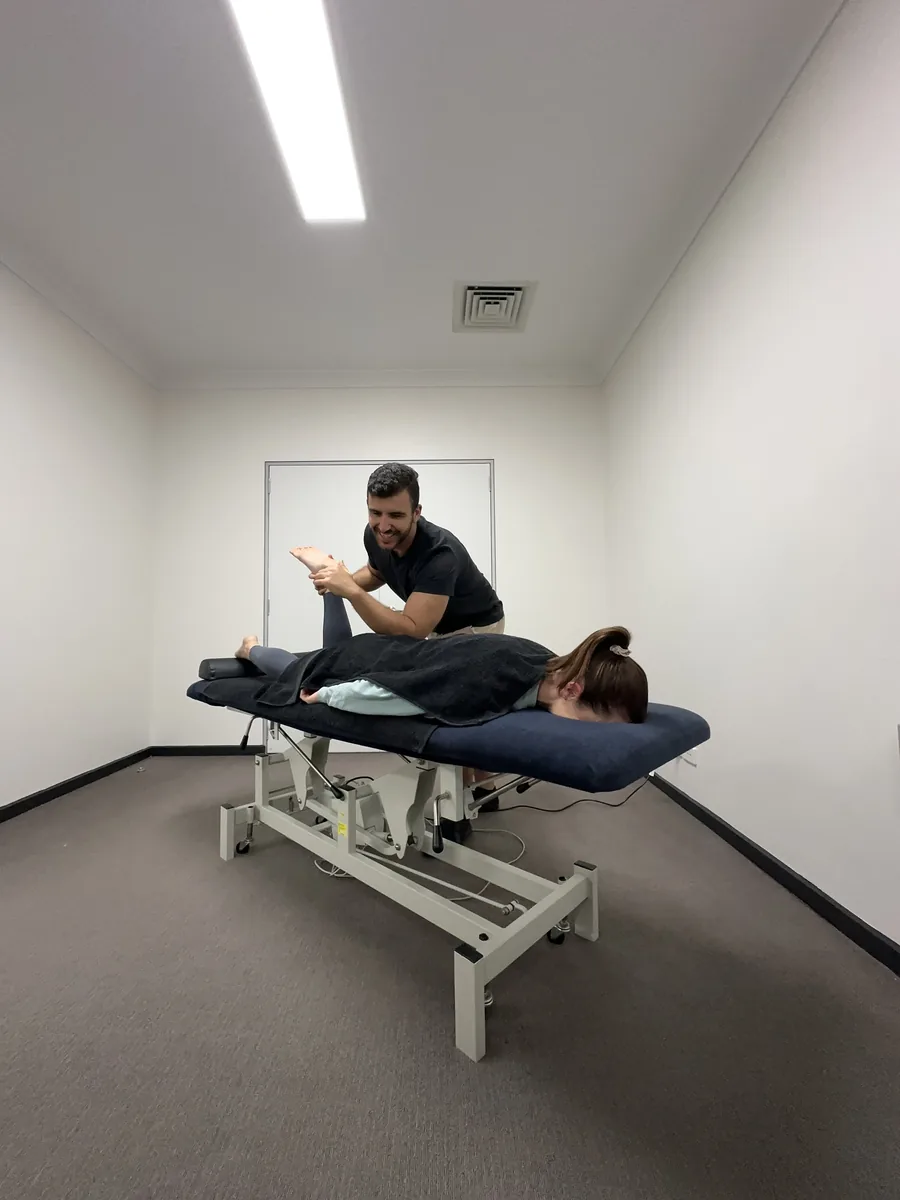
How we treat it
We assess the whole lumbar spine, pelvis, and hips to find the mechanical driver. Treatment combines joint mobilisation, soft tissue work, and a graded loading program to rebuild tolerance and prevent recurrence. That last part matters most: exercise therapy is one of the few treatments for persistent low back pain consistently endorsed across clinical guidelines, and for acute pain the advice is to stay active rather than rest in bed (Oliveira et al., European Spine Journal, 2018).
Same-week appointments available. Initial consult 60 min · $149 · HICAPS on-site.
FAQ: low back pain
Treatment near you
Further reading
Show 32 more articles
Also treating
Areas we serve
Seen enough?
Let's fix it.
Book an initial assessment in Berwick. Same-week availability most weeks.