Lower back pain on one side: causes and when to worry
Low back pain often sits more on one side than the other. That doesn't usually mean something serious, but it does help narrow down where the pain is coming from. This guide covers the common causes, and the signs that point to something other than the back.
What causes lower back pain on one side?
The most common causes are a muscle strain or spasm, an irritated facet joint (the small joints at the back of the spine), and pain from the sacroiliac (SI) joint where the spine meets the pelvis. A disc problem can cause one-sided back pain, often with pain spreading into the buttock or leg on that side. Hip problems can also refer pain into the lower back and buttock.
Muscle strain or spasm
A sudden pull when lifting, twisting or bending can cause sharp one-sided pain with tight, tender muscles beside the spine. It's often worse with certain movements and eases with rest and heat. Most strains improve noticeably within days to a couple of weeks.
See our post on pulled back muscles.
Facet joint irritation
Pain on one side that's worse when you bend backwards, twist towards that side, or stand for long periods, and eases with sitting or bending forward, often comes from the facet joints. Morning stiffness that loosens with movement is common.
Sacroiliac joint pain
Pain low in the back, over the dimple at the top of the buttock, sometimes spreading into the buttock or groin, can come from the SI joint. It's common in pregnancy and after birth, after falls onto the buttock, and in runners and athletes. An international consensus found that a combination of physical examination tests is reasonably sensitive for SI joint pain but less specific, and that imaging has limited value for diagnosis (McCormick et al., Regional Anesthesia & Pain Medicine, 2025).
See our post on SI joint pain.
Disc and nerve problems
One-sided back pain with pain, tingling or numbness spreading down the leg on the same side suggests a disc or nerve root problem. Leg pain is often worse than the back pain.
See our post on how long sciatica lasts.
Could it be my kidney?
Kidney pain is usually felt higher up, in the flank under the ribs, rather than low in the back. Kidney stones cause severe, colicky pain that comes in waves, often spreading to the groin, and doesn't change much with movement. A kidney infection causes flank pain with fever, chills, nausea and burning or frequent urination. These need medical care, not treatment for the back.
What else can cause one-sided back pain?
In women, gynaecological conditions such as endometriosis or ovarian cysts can cause one-sided low back and pelvic pain, often linked to the menstrual cycle. Shingles can cause one-sided burning pain before the rash appears. Pain that doesn't change with movement or position should be checked by a GP.
Does it matter whether it's the left or right side?
For mechanical back pain, not really. Which side hurts usually reflects how you've loaded your back or which joint is irritated, rather than a different condition.
What helps?
Keep moving within comfort: short walks are better than bed rest. Heat on the sore side, gentle movements such as knee rolls, knee-to-chest and pelvic tilts, and avoiding long periods in one position all help. Pain relief from your pharmacist can help you stay active.
How long does it take to settle?
Most episodes improve considerably within six weeks (Menezes Costa et al., CMAJ, 2012). A gradual return to normal activity and strengthening reduces the chance of it returning.
Why does it hurt more when I get up from sitting?
Stiffness and pain when first standing up, which eases after a few steps, is common with facet joint and SI joint irritation, and with muscle strains. Getting up slowly, shifting forward in the chair first, and moving the back gently before standing can help.
Is it worse with walking or lying down?
SI joint pain is often aggravated by walking, stairs, standing on one leg and rolling in bed. Facet joint pain is often worse standing still and better with walking. Disc-related pain is often worse with sitting and bending. These patterns help us narrow down the cause, alongside the examination.
Can stress make it worse?
Yes. Stress, poor sleep and worry about the pain can all increase how much back pain is felt and how long it lasts. Staying active, keeping to usual routines where possible and understanding the cause all help.
How can an osteopath help?
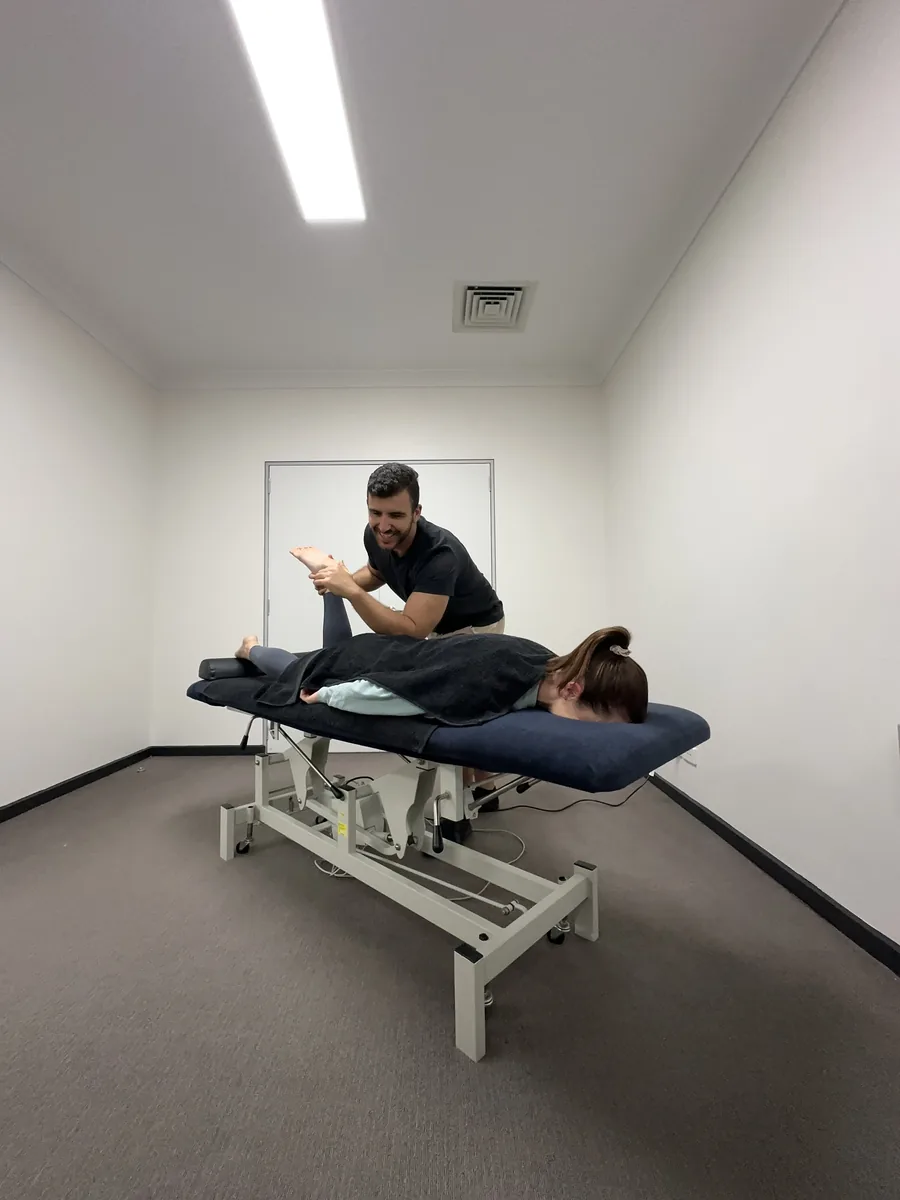
We work out which structure is most likely involved by assessing the spine, pelvis and hips, screen for signs that need a GP, treat hands-on, and give you exercises to settle pain and rebuild strength.
When should I see a doctor?
See a doctor promptly for one-sided back pain with fever, burning urination or blood in the urine, severe pain coming in waves, pain that doesn't change with movement, unexplained weight loss, numbness in the groin, new bladder or bowel problems, or progressive leg weakness.
See our back pain treatment in Berwick page. Book an assessment at our Berwick clinic. A 60-minute initial consultation is $149, with no referral needed and HICAPS on-site.
Sources
Book an initial consultation at RISE Sports & Spinal in Berwick. Clear diagnosis, hands-on treatment, and a plan that actually gets you better.
Related articles