
Shoulder
pain.
Rotator cuff, impingement, or just that nagging ache — we find the cause.
The shoulder trades stability for range: it moves further in more directions than any other joint in the body, and depends on the rotator cuff and surrounding muscles to stay centred while it does. That is why shoulder pain is common in athletes, desk workers, and anyone who works with their arms overhead — and why treatment that only addresses the sore spot tends not to hold.
Last updated: October 2026
The shoulder trades stability for range: it moves further in more directions than any other joint in the body, and depends on the rotator cuff and surrounding muscles to stay centred while it does. That is why shoulder pain is common in athletes, desk workers, and anyone who works with their arms overhead — and why treatment that only addresses the sore spot tends not to hold.
Common causes
Rotator cuff irritation
Read more →Subacromial impingement
Read more →AC joint pain
Read more →Frozen shoulder
Read more →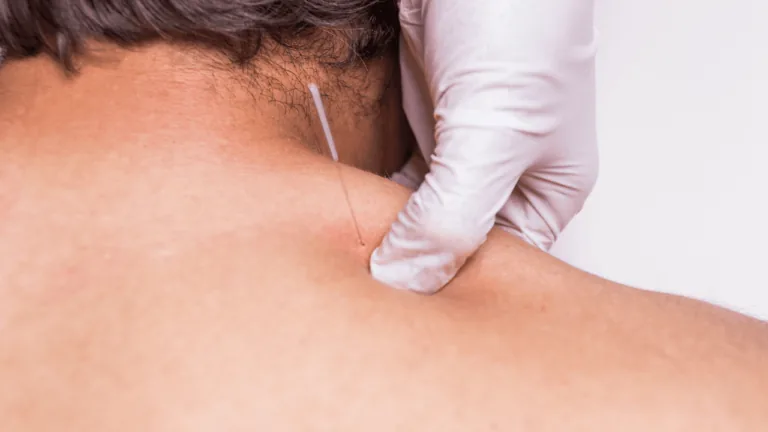
How we treat it
Full shoulder complex assessment including the thoracic spine and neck. Treatment includes joint mobilisation, rotator cuff loading, scapular control work, and return-to-sport programming.
Same-week appointments available. Initial consult 60 min · $149 · HICAPS on-site.
FAQ: shoulder pain
Further reading
Show 12 more articles
Also treating
Areas we serve
Seen enough?
Let's fix it.
Book an initial assessment in Berwick. Same-week availability most weeks.