Climbing injuries: fingers, shoulders and elbows
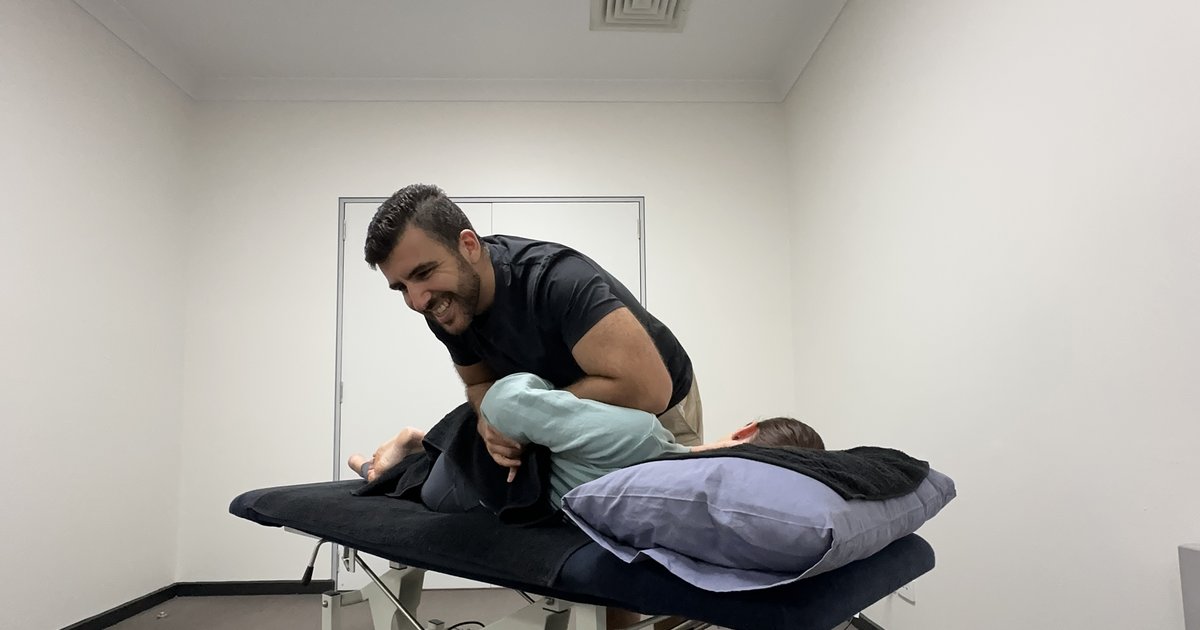
Indoor climbing and bouldering have grown enormously, including across Melbourne's south-east. Climbing is unusual in loading the fingers and upper limb far more than the lower body, and the injuries follow that.
Finger pulleys
The most distinctive climbing injury. Crimping loads the flexor tendon pulleys in the fingers heavily, and a pop or sharp pain at the base of a finger during a hard move is the classic mechanism. These need genuine time and a graded return to crimping — climbing through one reliably prolongs it.
Elbows
Medial elbow pain ("climber's elbow") from repeated gripping and pulling is extremely common, particularly in climbers increasing volume quickly. It behaves like golfer's elbow and responds to progressive loading rather than rest. Our elbow and wrist pain page covers it.
Shoulders
Reaching, locking off and dynamic moves load the rotator cuff at end of range. Climbers frequently develop good pulling strength with comparatively weak pushing and external rotation strength, and that imbalance shows up as shoulder pain. See shoulder pain.
The volume trap
Climbing is engaging enough that people climb four or five times a week within months of starting. Tendon adapts more slowly than muscle and far more slowly than enthusiasm. Most climbing injuries we see are in the first year, from exactly this pattern.
What helps
Antagonist training — pushing and external rotation work — plus deliberate rest days and a gradual introduction to crimping and campus work. If a finger has popped, get it looked at rather than taping it and continuing.
For more, see our posts on BJJ finger and hand injuries and elbow pain from lifting.
What a first appointment looks like
We start with what actually happened and what the demands of your sport are, then assess the injured area alongside the joints and muscles above and below it — because the painful structure is often not the limiting one. You get a diagnosis, a realistic timeframe, and a plan that accounts for your training and match schedule rather than assuming you can stop. If we think you need imaging or another practitioner, we will say so at that first visit rather than after six sessions.
Booking in
We are at 5/6-8 Langmore Lane, Berwick, with free on-site parking and same-week appointments most weeks. Initial consultations are 60 minutes and $149, with private health rebates processed on the spot via HICAPS. No referral is required, and we also work with WorkCover, DVA and Medicare care plans where they apply.
Sources
Book an initial consultation at RISE Sports & Spinal in Berwick. Clear diagnosis, hands-on treatment, and a plan that actually gets you better.
Related articles