Pain in the upper arm: causes and where it's coming from
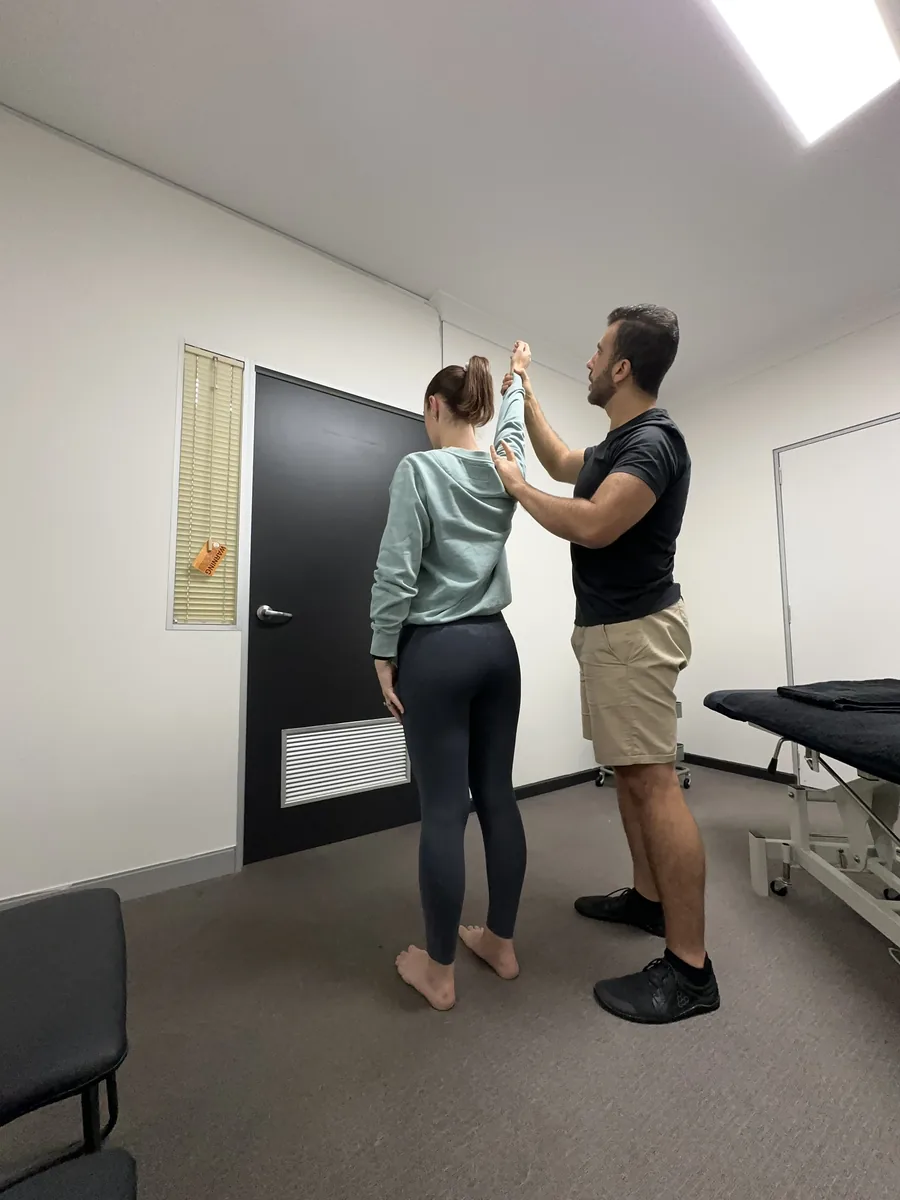
Pain in the upper arm is confusing, because the problem usually isn't in the arm itself. Most upper arm pain is referred from the shoulder or the neck. Working out which is the key to the right treatment.
Why does my upper arm hurt?
The most common cause is a rotator cuff problem in the shoulder, which typically refers an ache to the outside of the upper arm around the deltoid. The second is the neck, where an irritated nerve root can send pain down the arm. Less common causes include the biceps tendon, a muscle strain, and occasionally heart, lung or other medical causes.
Pain from the shoulder
Rotator cuff related pain is usually felt on the outside of the upper arm, worse when lifting the arm out to the side or overhead, reaching behind, putting on a jacket, and lying on that side at night. Movement of the neck doesn't change it much.
See our post on shoulder pain when lifting your arm.
Pain from the neck
Pain referred from the neck often comes with neck stiffness, may travel past the elbow into the forearm or hand, and can come with pins and needles or numbness. It may change when you turn or tilt your head, and sometimes eases with the hand resting on top of the head.
See our post on pinched nerves in the neck.
How do you tell the difference?
A review on shoulder and spine conditions notes that symptoms often overlap and can be misdiagnosed, and that the pattern of pain and examination findings help separate them (Daher et al., JSES Reviews, Reports, and Techniques, 2024). Sometimes both are involved. A thorough examination of the shoulder and the neck is the best way to sort it out.
Pain at the front of the upper arm
Pain at the front of the shoulder and upper arm with lifting, curls or pressing may come from the long head of the biceps tendon. A sudden pop with a lump in the upper arm, the 'Popeye' sign, suggests a ruptured biceps tendon.
See our post on torn biceps tendons.
Upper arm pain at night
Night pain when lying on the affected side is typical of rotator cuff and bursa problems. Severe, constant night pain with stiffness in all directions suggests frozen shoulder. Pain that wakes you regardless of position, or comes with weight loss or fever, needs a GP review.
See our posts on shoulder pain when side-sleeping and frozen shoulder.
What helps?
For shoulder-related pain, reduce aggravating overhead and reaching tasks for a while, and begin gentle strengthening. A systematic review found exercise is effective for shoulder impingement-type pain, with manual therapy adding benefit in the short term (Steuri et al., British Journal of Sports Medicine, 2017). For neck-related pain, gentle neck movement and exercise and avoiding prolonged positions help.
What exercises help?
For the shoulder: external rotation with a band, side-lying arm raises, rows and wall slides, progressed gradually. For the neck: chin nods, gentle rotation and shoulder blade exercises. We'll tailor these once we know the source.
How long does it take to improve?
Rotator cuff related pain usually improves over six to twelve weeks with consistent exercise. Neck-related arm pain often takes six to twelve weeks as well, with most people improving without surgery.
When is upper arm pain serious?
Call 000 for left arm pain with chest pain, breathlessness, sweating or nausea. See a doctor promptly for arm pain after a fall with deformity or inability to lift the arm, a sudden pop with weakness, progressive arm weakness, a hot swollen arm, or arm swelling.
Why does my upper arm hurt when I lift my arm?
Lifting the arm out to the side and overhead loads the rotator cuff tendons and the bursa above them. When these are irritated, pain is felt in the outer upper arm, often between about 60 and 120 degrees of lifting, then eases once the arm is fully up.
Can a muscle strain cause upper arm pain?
Yes, after an obvious event such as lifting something heavy, a fall or a hard training session. Pain is usually localised, tender to touch, and improves within a couple of weeks.
Do I need a scan?
Usually not at first. Scans often show tendon changes that are common in people without pain. Imaging is considered after an injury with weakness, when a tear is suspected, or if symptoms aren't improving after six to twelve weeks of treatment.
How can an osteopath help?
We examine the shoulder, neck and upper back to identify where the pain is coming from, treat hands-on, and give you a targeted exercise plan. We refer for imaging or a GP review when needed.
See our shoulder pain guide. Book an assessment at our Berwick clinic. A 60-minute initial consultation is $149, with no referral needed and HICAPS on-site.
Sources
Book an initial consultation at RISE Sports & Spinal in Berwick. Clear diagnosis, hands-on treatment, and a plan that actually gets you better.
Related articles