Torn biceps tendon: what happens and how long recovery takes
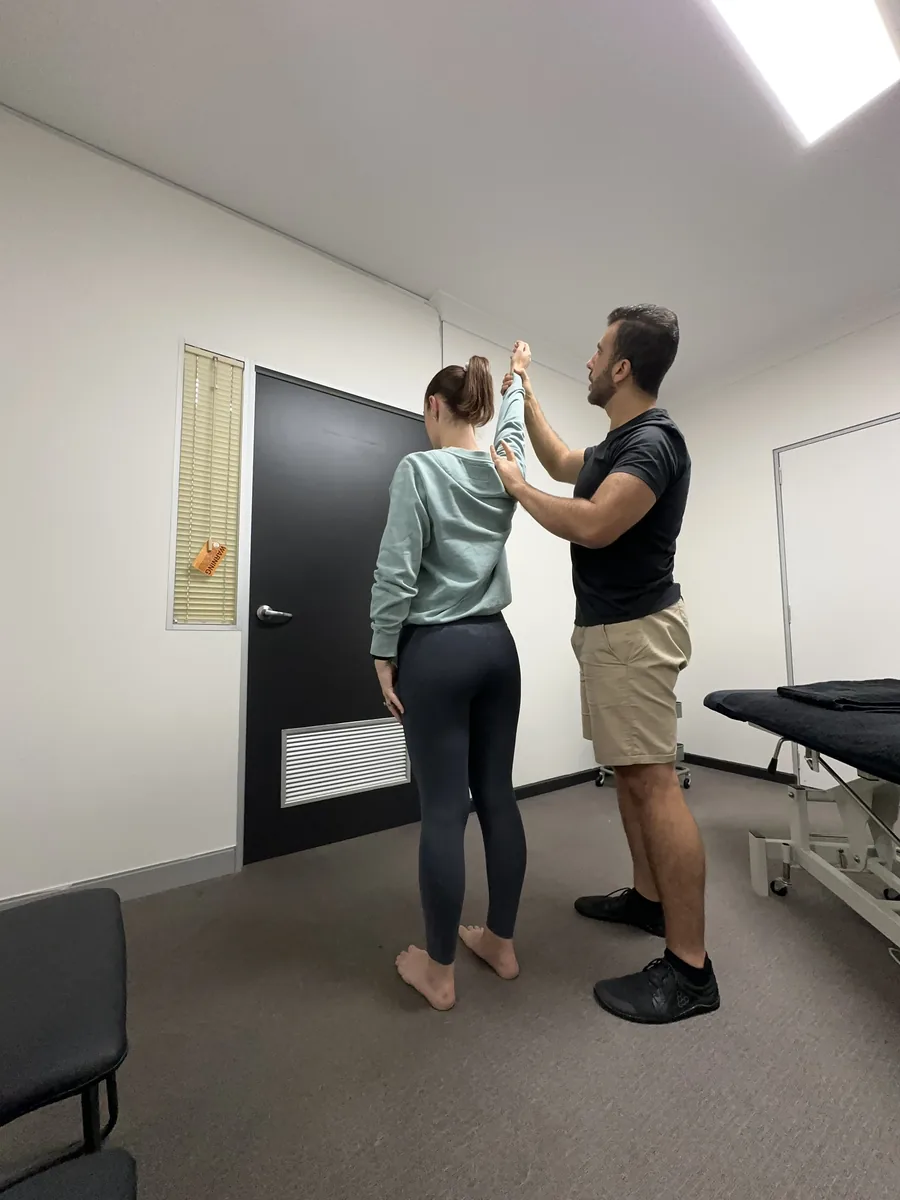
A sudden pop in the upper arm or at the front of the elbow while lifting something heavy, followed by bruising and a change in the shape of the arm, is the classic biceps tendon rupture. Where the tear happens makes a big difference to what comes next.
Where can the biceps tendon tear?
At either end. At the top, the long head tendon can tear near the shoulder, causing a 'Popeye' bulge in the upper arm as the muscle drops. At the bottom, the distal tendon can tear from its attachment just below the elbow, causing the muscle to bunch up towards the shoulder.
What causes a biceps tear?
Upper (proximal) tears usually occur in people over about 50, often in a tendon already worn from shoulder problems, sometimes with surprisingly little force. Lower (distal) tears typically happen in men aged 30 to 60 when the bent elbow is forced straight under heavy load, for example lifting furniture, catching a falling weight, or the lowering phase of a heavy curl or deadlift.
What does a distal biceps tear feel like?
A sharp pain or pop at the front of the elbow, bruising across the elbow and forearm, a change in the shape of the biceps, and weakness turning the palm up (as with a screwdriver or doorknob) and bending the elbow.
What should I do?
See a doctor within a few days if you suspect a distal biceps tear. If surgery is going to be done, it's easier and generally more successful within the first two to three weeks, before the tendon retracts and scars. Ice and a sling for comfort in the meantime.
Do I need surgery for a distal biceps tear?
It depends on your age, activity and how much the strength matters to you. A meta-analysis found surgical repair gave significantly better elbow flexion and forearm supination strength and endurance, and better patient-reported function, than non-surgical treatment (Looney et al., Journal of Shoulder and Elbow Surgery, 2022). Most active adults are offered repair. Some people, particularly with less demanding lifestyles or other health issues, choose non-surgical treatment and accept some loss of turning strength.
What about a tear at the shoulder end?
Most upper biceps tears are managed without surgery. The visible bulge remains and there's a small loss of strength, but function is usually good. Surgery is sometimes considered for younger, active people or for cosmetic reasons, and the rotator cuff is often checked, as it may also be injured.
How long does recovery take?
After a distal biceps repair, a brace or sling is typically used for a few weeks, light use of the arm resumes by six to eight weeks, and strengthening progresses from around two to three months, with return to heavy lifting at four to six months, depending on your surgeon's protocol. Non-surgical recovery from either tear usually allows normal daily activities within six to twelve weeks.
What does rehab involve?
Restoring elbow and shoulder movement, then progressive strengthening of the elbow, forearm and shoulder, in line with your surgeon's timeframes. Grip and forearm rotation strength are included. Heavy curls, chin-ups and deadlifts are reintroduced last.
Can I keep training?
Legs, the other arm and cardio can usually continue, avoiding anything that loads the injured arm until cleared.
How can I reduce the risk?
Progress loads gradually, avoid sudden heavy eccentric loading with the elbow bent, and take care with mixed-grip deadlifts, where the underhand arm is exposed. Lifters using a mixed grip often alternate which hand is underhand, or use hook grip or straps instead. Ongoing pain at the front of the elbow or shoulder deserves assessment rather than training through.
See our post on elbow pain from lifting.
Could it be a partial tear?
Partial distal biceps tears cause pain at the front of the elbow with lifting and turning, without the change in shape. An ultrasound or MRI can confirm it. Many are managed with load modification and rehab.
Will I lose strength permanently?
With a repaired distal tear, most people regain near-normal strength. Without repair, some loss of forearm turning strength and endurance is common. After an upper tear, the loss is usually small and most daily activities aren't affected.
How can an osteopath help?
We recognise suspected tears and refer you promptly for imaging and a surgical opinion. Afterwards, we work within your surgeon's protocol to restore movement and strength, and treat the neck, shoulder and forearm.
When is it urgent?
See a doctor within days for a suspected distal biceps tear. Seek urgent care for severe swelling, numbness or tingling in the hand, or a cold or pale hand.
See our elbow and wrist pain guide. Book an assessment at our Berwick clinic. A 60-minute initial consultation is $149, with no referral needed and HICAPS on-site.
Sources
Book an initial consultation at RISE Sports & Spinal in Berwick. Clear diagnosis, hands-on treatment, and a plan that actually gets you better.
Related articles