Arthritis in the hands and thumb: exercises and what helps
Aching, stiff finger joints and pain at the base of the thumb when opening jars or turning keys are common from middle age, particularly in women. Hand osteoarthritis can't be reversed, but pain and function can be improved, and most of what helps is simple.
What is hand osteoarthritis?
It's the gradual change in the cartilage and bone of the hand joints with age. It most often affects the joints nearest the fingertips, the middle finger joints, and the joint at the base of the thumb. Bony bumps can form on the finger joints.
What are the symptoms?
Aching and stiffness in the fingers, usually worse first thing in the morning for a short time and after heavy use. Swelling or firm bumps on the finger joints. With thumb-base arthritis, pain where the thumb meets the wrist when gripping, pinching, turning keys or opening jars, and reduced grip strength.
Do exercises help arthritis in the hands?
A little. A Cochrane review found low-quality evidence that exercise has small beneficial effects on hand pain, function and finger joint stiffness, with very few and no severe side effects (Østerås et al., Cochrane, 2017). The effects are modest, but exercise is safe, free and recommended.
What do guidelines recommend?
The European rheumatology recommendations for hand osteoarthritis advise education and training in joint protection and use of assistive devices, exercises to improve function and muscle strength, and splints for thumb-base arthritis used over the long term. For medication, they recommend topical treatments such as anti-inflammatory gels as the first choice (Kloppenburg et al., Annals of the Rheumatic Diseases, 2019).
What exercises should I do?
Make a full fist, then straighten the fingers fully. Touch the tip of the thumb to each fingertip in turn. Bend the fingers into a hook, keeping the knuckles straight. Spread the fingers wide. Squeeze a soft ball or therapy putty. Stretch the web space between thumb and index finger. Do them once or twice a day, in warm water if that's more comfortable, and stop short of sharp pain.
What helps the base of the thumb?
A splint that supports the base of the thumb while leaving the fingers free reduces pain during tasks, and guidelines support long-term use. Strengthening the muscles around the thumb, and avoiding tight pinch grips, also helps. A hand therapist can fit a splint properly.
How can I protect my joints day to day?
Use larger joints and both hands where you can. Choose tools with thick, soft handles. Use jar openers, tap turners and electric can openers. Avoid prolonged tight gripping and pinching; take breaks during tasks such as gardening, sewing or typing. Slide heavy pots rather than lifting them.
Does heat help?
Many people find warmth eases stiffness: warm water, a heat pack or warm gloves before activity.
Do supplements help?
Evidence for glucosamine and similar supplements is weak.
See our post on joint supplements.
Is it osteoarthritis or rheumatoid arthritis?
Rheumatoid and other inflammatory types of arthritis cause warm, swollen joints, usually at the knuckles and wrists on both sides, with morning stiffness lasting more than half an hour and often fatigue. They need early medical treatment. Osteoarthritis stiffness is briefer, and the joints nearest the fingertips and the thumb base are the usual sites.
Why is it more common in women after 50?
Hand osteoarthritis becomes much more common around and after menopause.
See our post on menopause and joint pain.
Will it keep getting worse?
It varies. Many people find the painful, inflamed phase in a joint settles after a few years, leaving it knobbly but less sore. Keeping the hands moving and strong helps maintain function.
Does cracking my knuckles cause hand arthritis?
No. Studies haven't found a link between habitual knuckle cracking and hand osteoarthritis.
Can I keep going to the gym, gardening or playing an instrument?
Yes. Staying active with your hands is encouraged. Use padded gloves or thicker grips for weights, take breaks during long tasks, and warm your hands first if they're stiff. Activity doesn't wear the joints out faster.
Are the bumps on my finger joints a problem?
Firm bumps on the joints nearest the fingertips or the middle finger joints are bony changes that come with hand osteoarthritis. They can be tender while they form and then usually settle. They don't need treatment unless they're painful or limit movement.
How can an osteopath help?
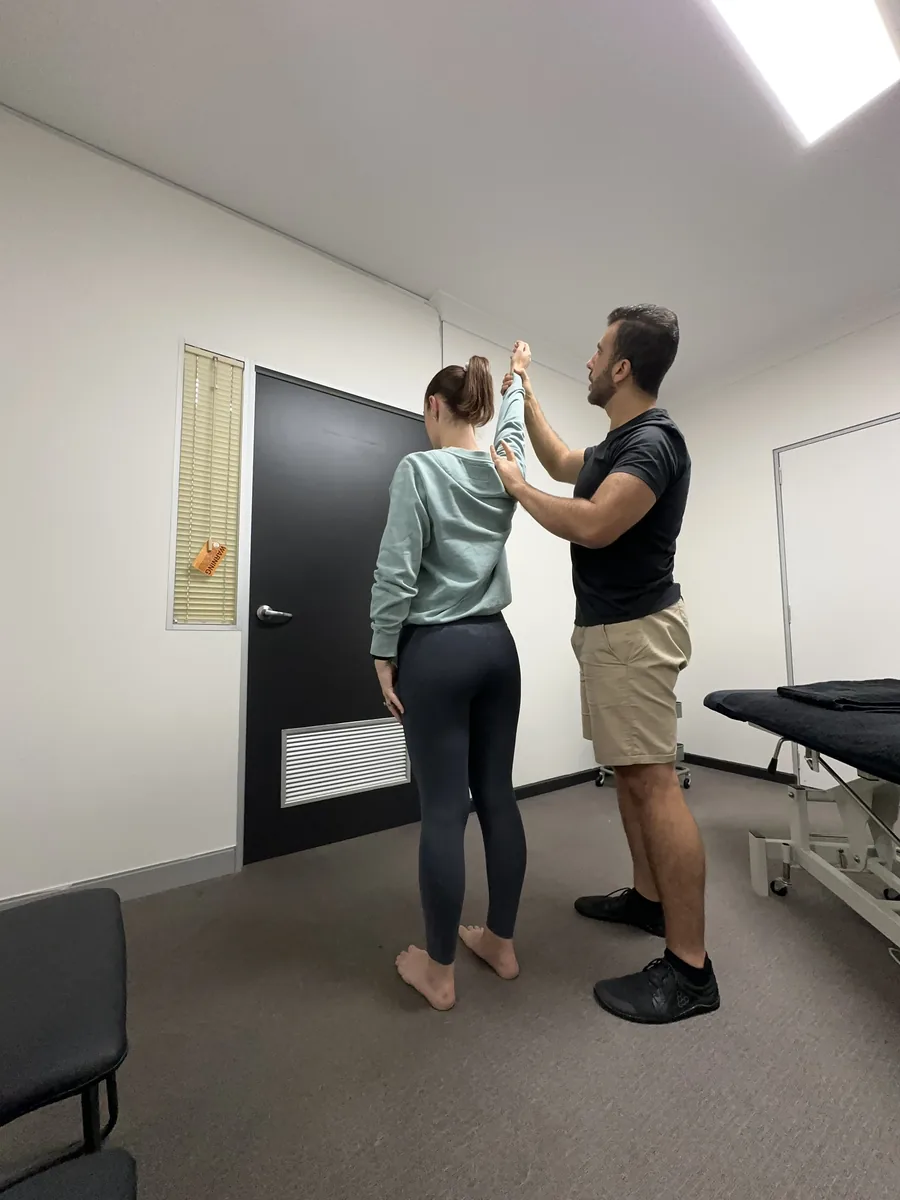
We assess the hand, wrist, elbow and neck, since nerve problems and tendon conditions can mimic or add to arthritic pain. We provide exercises and joint protection advice and treat the forearm and wrist. For splints, we may refer you to a hand therapist.
When should I see a doctor?
See your GP for joints that are hot, red or markedly swollen, morning stiffness lasting more than 30 minutes, pain in many joints, or symptoms that came on quickly.
See our post on De Quervain's thumb pain and our elbow and wrist pain guide. Book an assessment at our Berwick clinic. A 60-minute initial consultation is $149, with no referral needed and HICAPS on-site.
Sources
Østerås N, et al. Exercise for hand osteoarthritis. Cochrane Database of Systematic Reviews, 2017.
Book an initial consultation at RISE Sports & Spinal in Berwick. Clear diagnosis, hands-on treatment, and a plan that actually gets you better.
Related articles