Carpal tunnel vs cubital tunnel: which fingers are numb?
Numbness and tingling in the hand is very common, and two nerve problems account for most of it: carpal tunnel syndrome at the wrist and cubital tunnel syndrome at the elbow. Which fingers are affected is the biggest clue to which one you have.
What is the difference between carpal tunnel and cubital tunnel syndrome?
Carpal tunnel syndrome is compression of the median nerve at the wrist. It affects the thumb, index finger, middle finger and the thumb side of the ring finger. Cubital tunnel syndrome is compression or irritation of the ulnar nerve at the inside of the elbow, the 'funny bone'. It affects the little finger and the little-finger side of the ring finger.
What does carpal tunnel syndrome feel like?
Tingling, numbness or burning in the thumb, index and middle fingers, typically worse at night and on waking. Many people shake their hands to get relief. It's often brought on by holding a phone, driving, or gripping. In more advanced cases, the hand can feel clumsy, with weakness of the thumb.
What does cubital tunnel syndrome feel like?
Tingling and numbness in the little and ring fingers, often worse when the elbow is bent for long periods, such as holding a phone to your ear, sleeping with your arms bent, or leaning on your elbow. There may be aching on the inside of the elbow. In more advanced cases, grip weakens and fine movements become clumsy.
What causes them?
Carpal tunnel syndrome is more common in pregnancy, with diabetes or thyroid conditions, and with repetitive or forceful hand use or vibrating tools. Cubital tunnel syndrome is linked with prolonged elbow bending and direct pressure on the inside of the elbow, such as leaning on a desk or armrest, and is seen in lifters, cyclists and people who sleep with their elbows tightly bent.
Could the numbness be coming from my neck?
Yes. A pinched nerve in the neck can cause tingling in similar parts of the hand, usually with neck or shoulder blade pain and symptoms that change with neck movement. It's possible to have more than one site involved. Part of an assessment is working out where along the nerve the problem lies.
See our post on pinched nerves in the neck.
How is carpal tunnel syndrome treated?
Mild to moderate cases usually start with a wrist splint worn at night, activity changes and, in some cases, a corticosteroid injection. A Cochrane review found there was insufficient evidence to be sure whether splinting helps, but low-certainty evidence that people may be more likely to improve with a night splint than with no treatment; as splints are inexpensive and low-risk, small benefits may justify trying one (Karjalainen et al., Cochrane, 2023). Surgery to release the tunnel is effective for persistent or severe cases.
How is cubital tunnel syndrome treated?
Mild cases often respond to changing habits. A Cochrane review found that, in mild cases, information on which movements and positions to avoid may reduce discomfort (Caliandro et al., Cochrane, 2025). That means avoiding leaning on the elbow, not keeping it bent for long periods, using a headset for phone calls, and keeping the elbow straighter at night, for example with a towel wrapped loosely around it. Surgery is considered when there's weakness or symptoms persist.
Do nerve gliding exercises help?
Gentle nerve and tendon gliding exercises are often included in a program and may ease symptoms for some people. They should be comfortable; if they increase tingling, back off.
Can an osteopath help numb or tingling fingers?
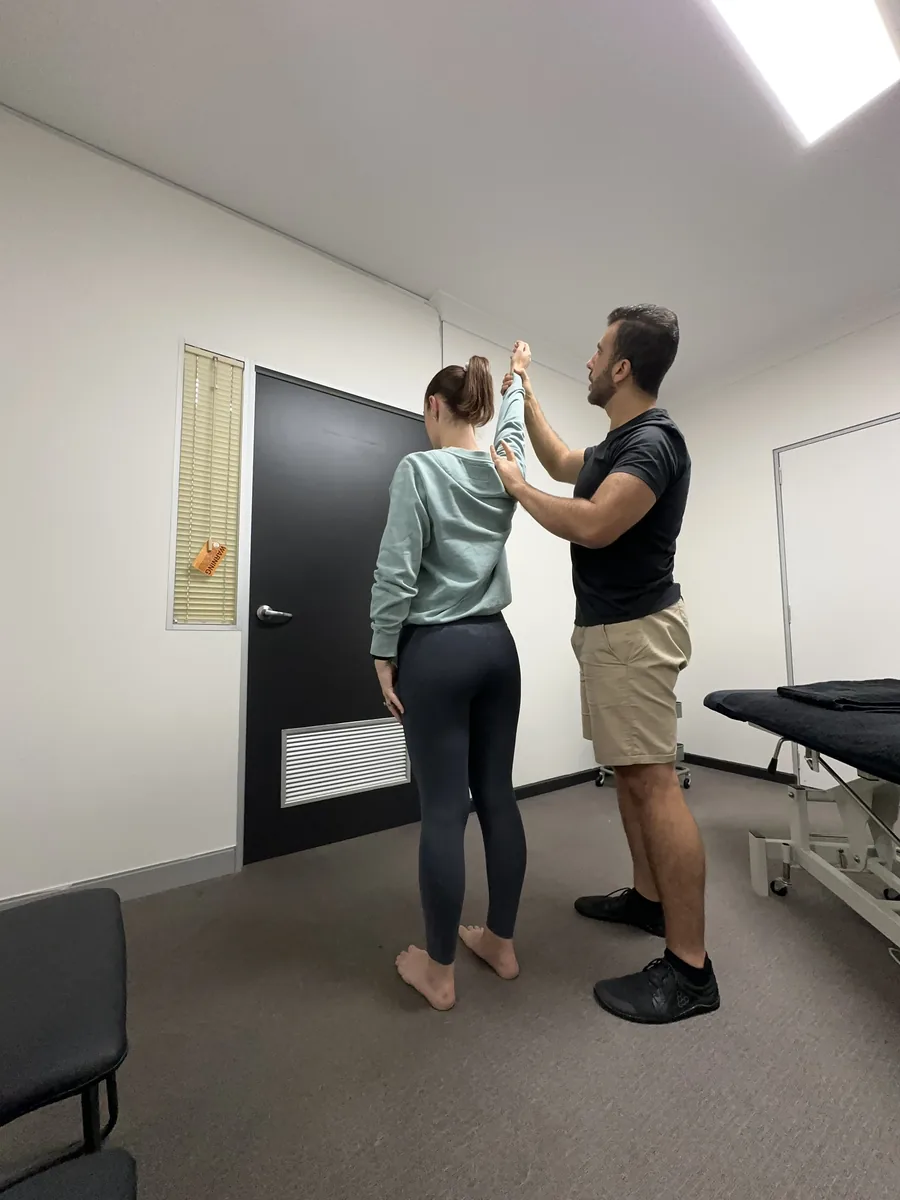
Yes. We test sensation, strength and the nerves along their whole path, from the neck to the hand, to work out where the problem is. Treatment may include hands-on work for the neck, shoulder, forearm and wrist, advice on splinting, sleeping and work positions, and exercises. We'll refer you to your GP for nerve conduction studies or a specialist opinion if there's weakness or symptoms aren't improving.
How long do they take to improve?
With changes to positions and activities, mild cases often improve over several weeks. Symptoms that have been present for a long time, are constant, or involve weakness are less likely to settle without further treatment.
When should numb fingers be checked urgently?
Call 000 for sudden numbness or weakness in the arm, face or leg, difficulty speaking, or a drooping face, as these can be signs of a stroke. See your GP promptly for constant numbness, weakness or wasting of the hand muscles, dropping things, numbness in both hands and feet, or symptoms after an injury.
See our posts on carpal tunnel syndrome and numbness and tingling in the hands, or our elbow and wrist pain guide. Book an assessment at our Berwick clinic. A 60-minute initial consultation is $149, with no referral needed and HICAPS on-site.
Sources
Book an initial consultation at RISE Sports & Spinal in Berwick. Clear diagnosis, hands-on treatment, and a plan that actually gets you better.
Related articles