Pinched nerve in the neck: symptoms, treatment and recovery time
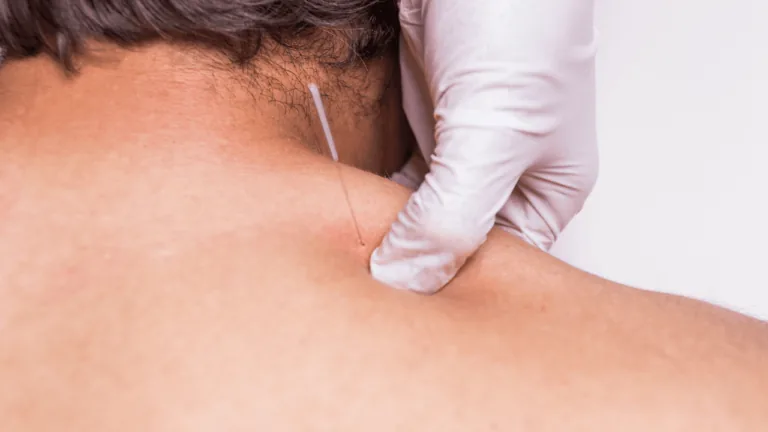
A pinched nerve in the neck, called cervical radiculopathy, happens when a nerve root leaving the spine is irritated, usually by a disc bulge or by narrowing where the nerve exits. It's unpleasant, but the outlook is generally good.
What are the symptoms of a pinched nerve in the neck?
The typical pattern is neck pain with pain that travels into the shoulder blade, arm or hand, often sharper in the arm than the neck. Pins and needles or numbness in part of the hand, and sometimes weakness in particular muscles, are common. Symptoms are often worse when you look up, turn towards the painful side or tilt your head back, and some people find relief resting their hand on top of their head.
How long does a pinched nerve in the neck take to heal?
Most people improve over weeks to a few months. In a long-running population study, 90% of people were symptom-free or only mildly affected at follow-up, although about a third had a recurrence at some point and 26% went on to have surgery (Radhakrishnan et al., Brain, 1994). A review of non-surgical treatments found people tended to improve over time whichever treatment they had, pointing to a favourable natural course (Thoomes et al., Clinical Journal of Pain, 2013).
What is the best treatment for a pinched nerve in the neck?
No single treatment has been shown to be clearly better than the others, according to that same review. What usually helps most is settling the irritated nerve: positions and movements that ease the arm pain, gentle hands-on treatment and mobility work for the neck and upper back, graded nerve mobility exercises where they don't flare symptoms, and then strength work for the neck and shoulders. Staying active and avoiding the positions that provoke arm pain for a while also matters.
What should I avoid with a pinched nerve in the neck?
Avoid positions that send pain further down your arm for now: sustained looking up, sleeping with your neck twisted, heavy overhead lifting, and for grapplers, getting stacked or having your neck cranked. Aim for movement that keeps arm symptoms stable or improving rather than spreading.
If you train jiu-jitsu, our post on BJJ neck injuries covers training around neck pain, and our neck pain guide covers other causes.
When is a pinched nerve in the neck serious?
See your GP promptly if weakness in your arm or hand is getting worse, or if symptoms are in both arms. Seek urgent medical care if you develop clumsiness in your hands, difficulty with fine tasks like buttons, unsteady walking, symptoms in your legs, or changes in bladder or bowel control, as these can mean pressure on the spinal cord itself. After a significant fall or impact, neck pain with arm or leg symptoms needs emergency assessment.
Book an assessment at our Berwick clinic. A 60-minute initial consultation is $149, with no referral needed and HICAPS on-site.
Sources
Book an initial consultation at RISE Sports & Spinal in Berwick. Clear diagnosis, hands-on treatment, and a plan that actually gets you better.
Related articles