Menopause and joint pain: why everything aches and what helps
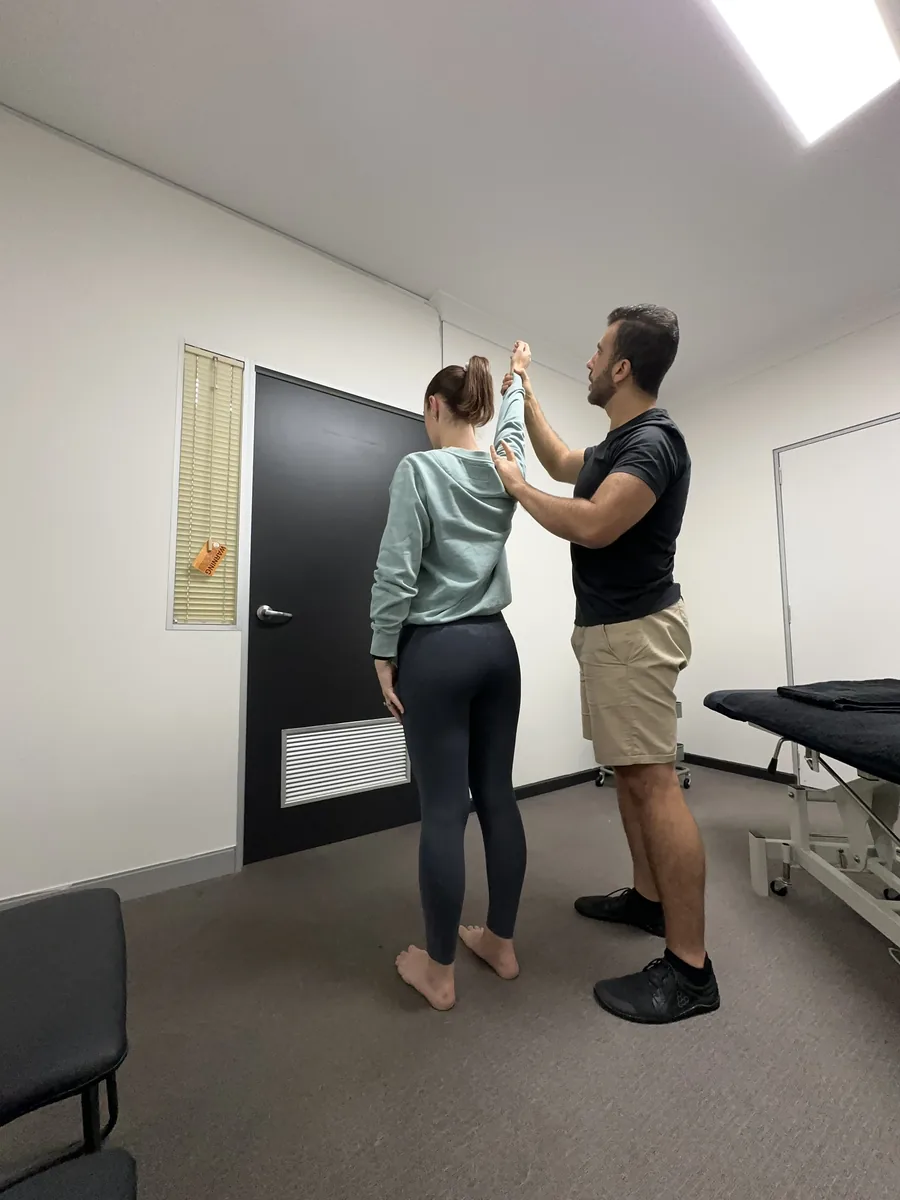
Many women notice new aches around perimenopause and menopause: stiff hands in the morning, sore hips at night, a shoulder that seizes up, or tendons that complain after activity they used to manage easily. It's very common, and it isn't in your head.
Does menopause cause joint and muscle pain?
It's strongly associated with it. A 2024 review reported that more than 70% of women experience musculoskeletal symptoms through the menopause transition, and about a quarter are significantly affected. The authors proposed the term 'musculoskeletal syndrome of menopause' to describe the group of symptoms linked with falling oestrogen: joint pain, loss of muscle mass, loss of bone density and progression of osteoarthritis, among others (Wright et al., Climacteric, 2024).
Why does falling oestrogen affect joints and muscles?
Oestrogen has effects throughout the musculoskeletal system. It influences inflammation, the health of cartilage and tendons, muscle mass and strength, and bone turnover. As levels fluctuate and then fall, tissues can become more sensitive and slower to recover, and muscle and bone are lost more quickly unless they're actively maintained.
What symptoms are common?
Aching and stiffness in the hands, knees, hips, shoulders and back, often worse in the morning. Tendon problems such as outer hip pain (gluteal tendinopathy), plantar heel pain, tennis elbow and Achilles pain become more common. Frozen shoulder peaks in women in this age group. Many women also notice they lose strength and take longer to recover after exercise.
See our posts on gluteal tendinopathy and frozen shoulder.
What helps menopause-related joint and muscle pain?
Strength training is the single most useful thing. It maintains muscle, supports joints, improves tendon capacity and stimulates bone. Regular aerobic activity, good sleep, enough protein, and managing weight all help. For specific painful areas, such as a sore hip or shoulder, targeted treatment and exercise work as they do at any age, with a little more patience.
Is strength training safe in midlife?
Yes, and it can be progressed to reasonably heavy loads. In an Australian trial, postmenopausal women with low bone density who did eight months of supervised high-intensity resistance and impact training improved their bone density and physical function, with only one minor adverse event (Watson et al., Journal of Bone and Mineral Research, 2018). Starting with guidance and building up gradually is the key.
Does HRT help joint pain?
Menopausal hormone therapy is a medical decision and outside our scope. Some women report improvement in aches and stiffness with it, and the review above discusses its role. If your symptoms are significantly affecting you, talk to your GP, who can discuss the benefits and risks for your situation.
Is it menopause or arthritis?
It can be either, or both. Menopause-related aches tend to be widespread and variable. Osteoarthritis usually affects specific joints, such as the knees, hips or the base of the thumb. Inflammatory arthritis causes swollen, warm joints and morning stiffness lasting more than about 30 minutes, and needs medical assessment. An examination helps sort this out.
Why do I keep getting tendon injuries?
Tendons seem to become less tolerant of sudden increases in load around menopause. That doesn't mean avoiding activity; it means building up more gradually, strength training regularly, and addressing niggles early rather than pushing through for months.
What about bone health?
Bone loss speeds up in the years around menopause. Ask your GP whether a bone density scan is appropriate for you, and include resistance and impact exercise in your week where it's safe to do so.
See our post on osteoporosis and exercise.
Can an osteopath help?
Yes. We assess the painful areas, identify which are tendon, joint or muscle related, and treat hands-on to ease pain and stiffness. We'll build a strength plan suited to your starting point, and we'll suggest you see your GP where symptoms point to something that needs medical input.
How much exercise do I need?
A realistic target is two strength sessions a week covering legs, hips, back, chest and shoulders, plus regular walking or other aerobic activity most days. If you're new to strength training, start with body weight and light resistance and progress gradually over months.
Does menopause make injuries slower to heal?
Recovery can take a little longer, and tendons in particular tend to need a more gradual build-up. The principles of rehab are the same; the timelines may just be more generous.
When should I see a doctor?
See your GP for joints that are swollen, hot or red, morning stiffness lasting more than half an hour, unexplained weight loss, fever, or pain that wakes you at night and isn't related to position. Also see your GP if aches come with heavy fatigue, low mood or other menopausal symptoms that are affecting your life.
See our post on strength training over 50. Book an assessment at our Berwick clinic. A 60-minute initial consultation is $149, with no referral needed and HICAPS on-site.
Sources
Wright VJ, et al. The musculoskeletal syndrome of menopause. Climacteric, 2024.
Book an initial consultation at RISE Sports & Spinal in Berwick. Clear diagnosis, hands-on treatment, and a plan that actually gets you better.
Related articles