Osteoporosis and exercise: is strength training safe?
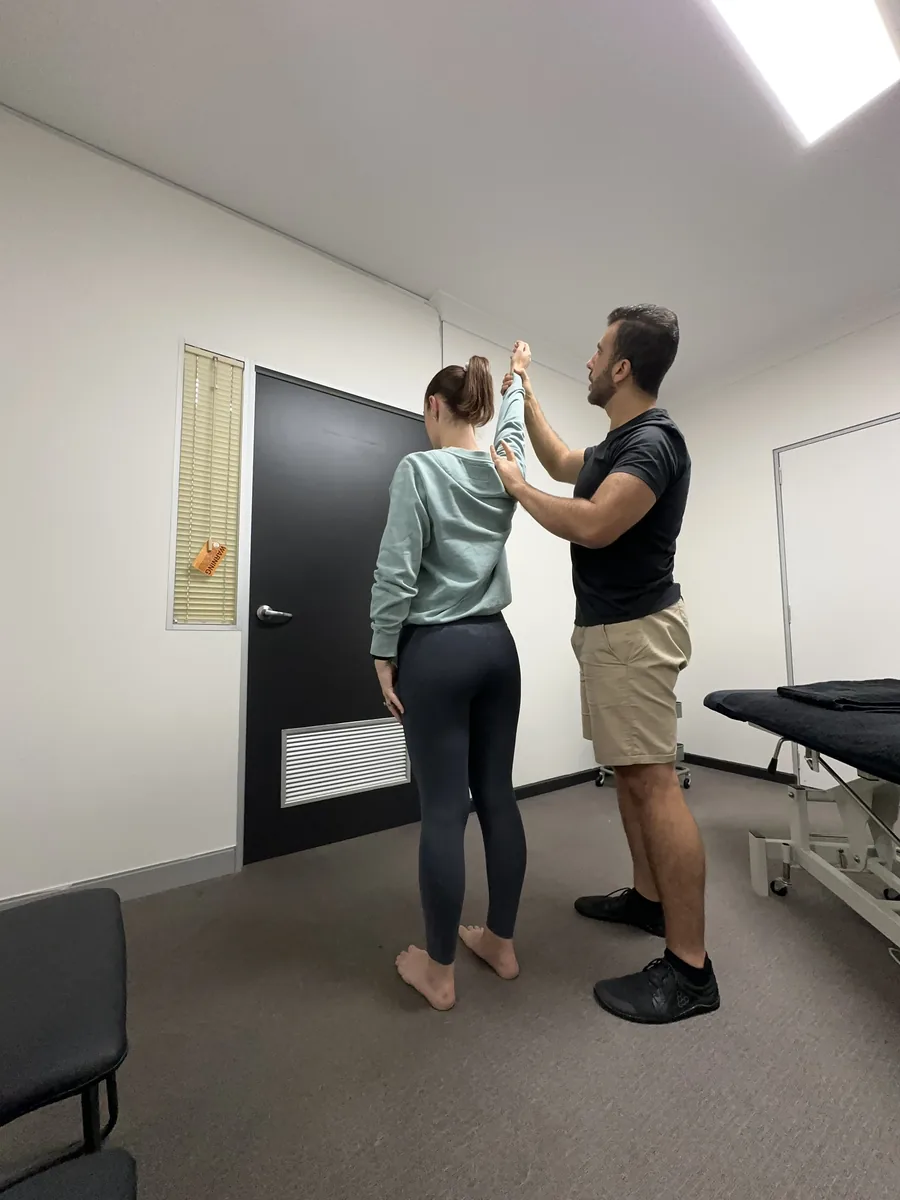
A diagnosis of osteoporosis or low bone density often comes with a fear of movement: don't lift, don't bend, be careful. But bones, like muscles, respond to load, and the right exercise is one of the most valuable things you can do.
What is osteoporosis?
Osteoporosis means bones have lost density and strength, making them more likely to break from a minor fall or bump. Osteopenia is a milder reduction in bone density. Both are diagnosed with a bone density (DXA) scan. They're most common in women after menopause, but men are affected too. Osteoporosis itself doesn't cause pain; fractures do.
Can exercise improve bone density?
Yes. Bone adapts to the forces placed on it. An Australian randomised trial, LIFTMOR, tested eight months of twice-weekly, 30-minute, supervised high-intensity resistance and impact training in postmenopausal women with low bone mass. Compared with a low-intensity home program, it improved bone density at the lumbar spine (up 2.9% versus down 1.2%) and the hip, and improved every measure of physical function (Watson et al., Journal of Bone and Mineral Research, 2018).
Is lifting weights safe with osteoporosis?
In that trial, with close supervision and careful technique, there was one minor adverse event, a brief lower back spasm. A follow-up analysis found the training did not cause vertebral fractures and improved upper back posture (Watson et al., Osteoporosis International, 2019). The key points are that participants were screened, started light, and were closely supervised. It isn't a program to copy alone from a video.
What type of exercise is best for bones?
Bones respond best to progressive resistance training with reasonably heavy loads, and to impact, such as stamping, jumping or brisk stair climbing, where appropriate. Balance training is essential too, because preventing falls prevents fractures. Walking, swimming and cycling are good for general health but don't load bones enough to build density by themselves.
How do I start strength training safely?
Talk to your GP first, particularly if you've had a fracture. Start with supervised sessions with a qualified professional, such as an exercise physiologist or physiotherapist with experience in osteoporosis. Begin with light loads to learn technique, then progress gradually. Movements usually include squats or sit-to-stands, deadlift patterns, overhead pressing, rows and step-ups.
Which exercises should I avoid with osteoporosis?
With established osteoporosis, particularly after a spinal fracture, it's generally advised to avoid loaded or repeated forward bending of the spine, such as sit-ups and toe-touches with weight, forceful twisting, and activities with a high risk of falling. Your health professional can tailor this to your bone density and fracture history.
Does osteoporosis cause back pain?
Not by itself. Sudden, severe mid or lower back pain in someone with osteoporosis, sometimes after a minor strain, cough or lift, can be a vertebral compression fracture and needs medical assessment. Loss of height or an increasingly rounded upper back are other signs worth mentioning to your GP.
Is osteopathy safe if I have osteoporosis?
Yes, with appropriate technique. Tell us about your bone density results, any fractures and your medications. We avoid forceful manipulation and strong pressure through the spine and ribs, and use gentle techniques, movement and exercise instead.
How can an osteopath help?
We help with the aches and stiffness that often come with age, check balance and movement, give you safe mobility and strengthening exercises, and coordinate with your GP and exercise professional. If we're concerned about a possible fracture, we'll refer you for assessment.
What else helps bone health?
Adequate calcium, vitamin D and protein, not smoking, limiting alcohol, and, where recommended, osteoporosis medication all matter. These are best discussed with your GP, who can also arrange bone density testing.
Is it too late to start?
No. The women in the LIFTMOR trial were postmenopausal, on average in their mid-sixties, and still improved their bone density and function. Starting carefully, with guidance, is far better than avoiding exercise.
Is walking enough for osteoporosis?
Walking is good for heart health, mood and general fitness, and it's a fine place to start. But the forces involved are too low to build bone density meaningfully. Adding resistance training and, where safe, some impact gives bones the stimulus they need.
How often should I exercise for bone health?
Two supervised resistance sessions a week, as in the LIFTMOR trial, is a realistic target, with balance exercises most days and regular walking. Consistency over months matters more than any single session, as bone adapts slowly.
When should I see a doctor?
See your GP promptly for sudden back pain after a minor strain, cough or fall, any fall with significant pain, loss of height, or new pain in the hip or groin when walking. Go to an emergency department if you can't bear weight after a fall.
See our posts on osteopathy for seniors and strength training over 50. Book an assessment at our Berwick clinic. A 60-minute initial consultation is $149, with no referral needed and HICAPS on-site.
Sources
Book an initial consultation at RISE Sports & Spinal in Berwick. Clear diagnosis, hands-on treatment, and a plan that actually gets you better.
Related articles