SLAP tear: shoulder labral tears, symptoms and treatment
A SLAP tear is one of the more worrying things to read on a shoulder MRI report. But labral findings are very common, including in shoulders that don't hurt, and many people do well without surgery.
What is a SLAP tear?
The labrum is a rim of cartilage around the shoulder socket that deepens it and anchors the long head of the biceps tendon at the top. SLAP stands for superior labrum anterior to posterior: a tear at the top of the labrum, running front to back, around where the biceps attaches.
What causes a SLAP tear?
They can follow an injury, such as a fall onto an outstretched arm, a sudden pull on the arm, a heavy lift that slips, or a shoulder dislocation. In throwing and overhead athletes, repeated stress can cause them. In people over about 40, changes at the top of the labrum are often part of normal ageing rather than an injury.
What does a SLAP tear feel like?
Typically a deep ache inside the shoulder that's hard to pinpoint, sometimes with clicking, catching or a feeling of the shoulder slipping. It's often worse with overhead movements, throwing, heavy pressing, or carrying loads with the arm straight. Many of these symptoms overlap with rotator cuff and biceps tendon problems.
Does a SLAP tear on MRI explain my pain?
Not always. In a study of adults aged 45 to 60 with no shoulder symptoms at all, radiologists reported superior labral tears on MRI in 55% to 72% of them (Schwartzberg et al., Orthopaedic Journal of Sports Medicine, 2016). The authors concluded that these findings need to be weighed against clinical judgement to avoid overtreatment. A scan finding is only meaningful if it matches your symptoms and examination.
Do I need surgery for a SLAP tear?
Often not. A randomised trial compared labral repair, biceps tenodesis and sham (placebo) surgery in people with type II SLAP lesions. At two years, there were no significant differences between the three groups, and neither operation had a clinical benefit over sham surgery (Schrøder et al., British Journal of Sports Medicine, 2017). For most people, a good trial of rehabilitation is the sensible first step. Surgery is more often considered for younger athletes with a clear injury, instability or mechanical symptoms that don't settle.
What does rehab for a SLAP tear involve?
Rehab focuses on restoring comfortable movement, then building strength and control in the rotator cuff and shoulder blade muscles, followed by progressively loaded pressing, pulling and overhead work. Stretching the back of the shoulder helps some people. For throwers and overhead athletes, rehab includes the trunk and hips and a graded return to throwing.
Can I keep lifting with a SLAP tear?
Usually, with changes. Many lifters find heavy overhead pressing, wide-grip bench, dips, behind-the-neck movements and dead hangs most aggravating. Neutral-grip dumbbell presses, landmine presses, rows and controlled pulling are often well tolerated. Let symptoms guide you: mild discomfort that settles within a day is acceptable.
What about BJJ and contact sports?
Grapplers often notice labral symptoms with kimuras, americanas and posting on the arm. Tap early to shoulder locks, avoid posting with a straight arm, and build shoulder strength before returning to full rolling. A shoulder that has dislocated, or keeps slipping, needs a specialist opinion.
See our post on BJJ shoulder injuries.
How long does it take to improve?
Most people notice progress over six to twelve weeks of consistent rehab, with return to full overhead sport or heavy lifting often taking three to six months. If you're not improving after a good trial of rehabilitation, a review with a sports physician or shoulder surgeon is reasonable.
Can an osteopath help a SLAP tear?
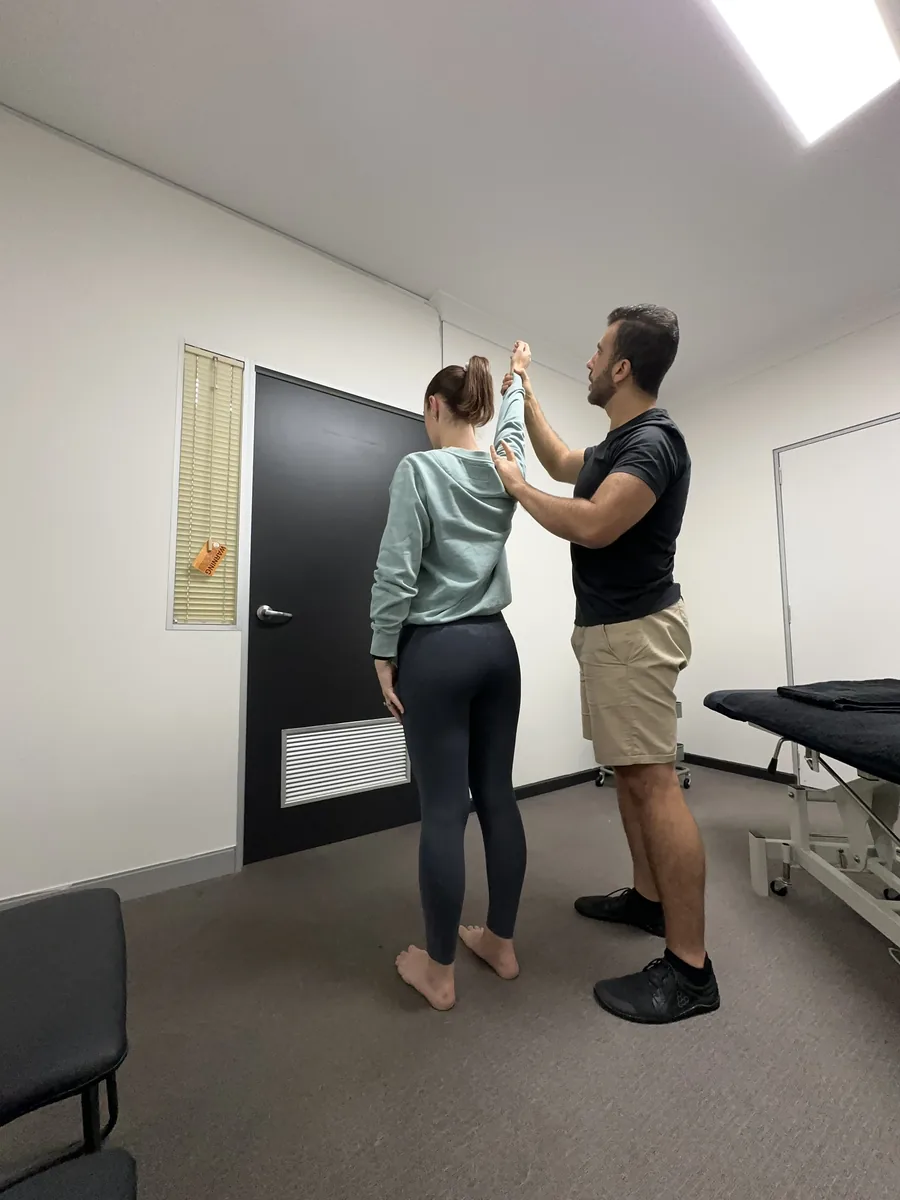
Yes. We assess the shoulder, neck and upper back, work out whether the labrum is likely to be the main source of your pain, treat hands-on to ease pain and stiffness, and build a progressive strength program around your sport or training. We'll refer you when imaging or a specialist opinion is warranted.
Is a SLAP tear the same as other labral tears?
No. The labrum runs all the way around the socket. Tears at the front or bottom are usually linked with shoulder dislocations and instability, and are managed differently from SLAP tears at the top. Your scan report and examination will indicate which part is involved.
Will a SLAP tear get worse if I don't have surgery?
There's no good evidence that a stable SLAP lesion steadily worsens with sensible activity. Many people manage well long term with strengthening. Symptoms that are getting worse, or a shoulder that feels unstable, are reasons to have it reviewed.
When should shoulder pain be checked urgently?
Go to an emergency department for a shoulder that looks deformed or can't be moved after an injury. See a doctor promptly for a shoulder that keeps slipping out, significant weakness after a fall, or numbness or tingling down the arm.
See our posts on rotator cuff injuries and shoulder pain from overhead press and pull-ups, or our shoulder pain guide. Book an assessment at our Berwick clinic. A 60-minute initial consultation is $149, with no referral needed and HICAPS on-site.
Sources
Book an initial consultation at RISE Sports & Spinal in Berwick. Clear diagnosis, hands-on treatment, and a plan that actually gets you better.
Related articles