Shoulder pain from bench press: causes, fixes and when to rest
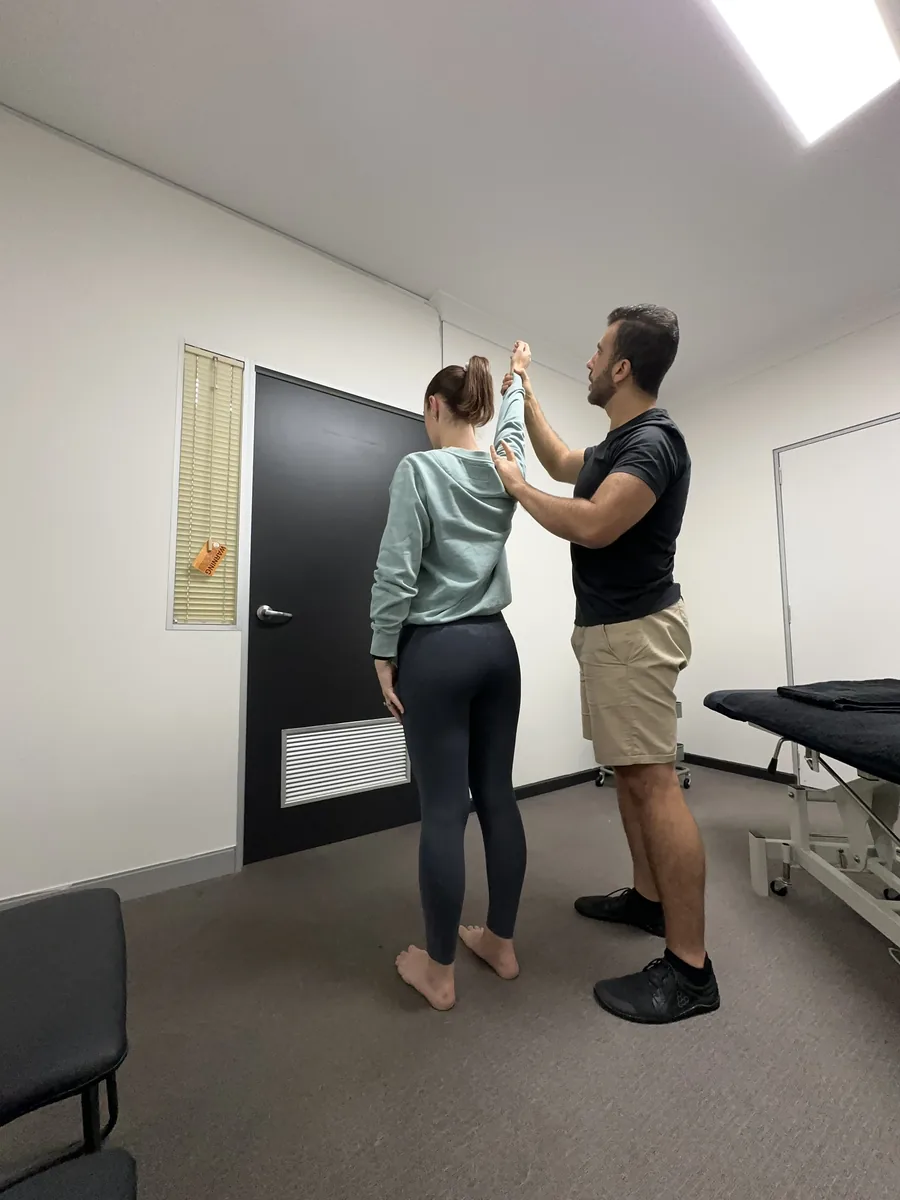
Shoulder pain is one of the most common reasons lifters book in, and the bench press is often where it shows up first. Steven lifts himself and treats a lot of gym-goers, so here's what's usually behind a sore shoulder on bench and how to keep pressing while it settles.
You're not unusual. Across the weight-training sports, the shoulder is one of the most commonly injured areas, along with the lower back and knee (Keogh and Winwood, Sports Medicine, 2017).
Why does my shoulder hurt when I bench?
Most bench-related shoulder pain falls into a few patterns. Irritation of the rotator cuff tendons and the space under the top of the shoulder (often called impingement or subacromial pain) tends to ache at the front or side of the shoulder. Pain on top of the shoulder, right at the bony bump, usually points to the AC joint. Pain at the front near the armpit can come from the biceps tendon or, after a heavy rep with a sudden sharp pain, the pec muscle.
Why does my shoulder hurt at the bottom of the bench press?
The bottom of the rep puts the shoulder at the end of its range, stretched and loaded at the same time. A wide grip, flared elbows, a deep arch or no arch, and lowering the bar too high on the chest all increase the stretch on the front of the shoulder. That's why a lot of lifters find pain eases just by adjusting grip width, tucking the elbows a little, and touching slightly lower on the chest.
If the pain is on top of the shoulder, our post on AC joint pain covers why bench, dips and overhead pressing aggravate it.
Should I stop benching with shoulder pain?
Usually modify rather than stop. Reduce load and volume for a couple of weeks, narrow your grip, shorten the range with a floor press or board press, or switch to dumbbells or a neutral-grip press where your shoulder can find a comfortable path. Keep training your back, rear delts and rotator cuff. A reasonable rule of thumb is that mild discomfort that settles by the next day is acceptable; sharp pain, pain that lingers, or pain that's building week to week means back off and get it assessed.
What exercises help shoulder pain from benching?
Exercise is the best-supported treatment. A meta-analysis of shoulder impingement treatments found exercise beat non-exercise controls for pain, and specific exercises did better than generic ones (Steuri et al., British Journal of Sports Medicine, 2017). In practice that means progressive rotator cuff and shoulder blade strength work, built up to the loads and positions you actually use, alongside hands-on treatment to settle pain and restore movement.
For more on the tendon side of things, see our posts on rotator cuff injuries and shoulder impingement, and our shoulder pain guide.
When should I get shoulder pain checked?
Book in if pain isn't improving after two weeks of modified training, if it wakes you at night, or if your shoulder feels weak or catches. Get seen promptly if you felt a pop or tearing sensation in your chest or shoulder during a heavy rep, especially with bruising or a change in the shape of your chest or arm, as a pec or biceps tear can need a surgical opinion. Call 000 for chest pain with breathlessness, sweating or pain spreading into your arm or jaw, which is not a lifting injury.
Book an assessment at our Berwick clinic. A 60-minute initial consultation is $149, with no referral needed and HICAPS on-site.
Sources
Book an initial consultation at RISE Sports & Spinal in Berwick. Clear diagnosis, hands-on treatment, and a plan that actually gets you better.
Related articles