Lower back pain relief: what actually helps in the first few days
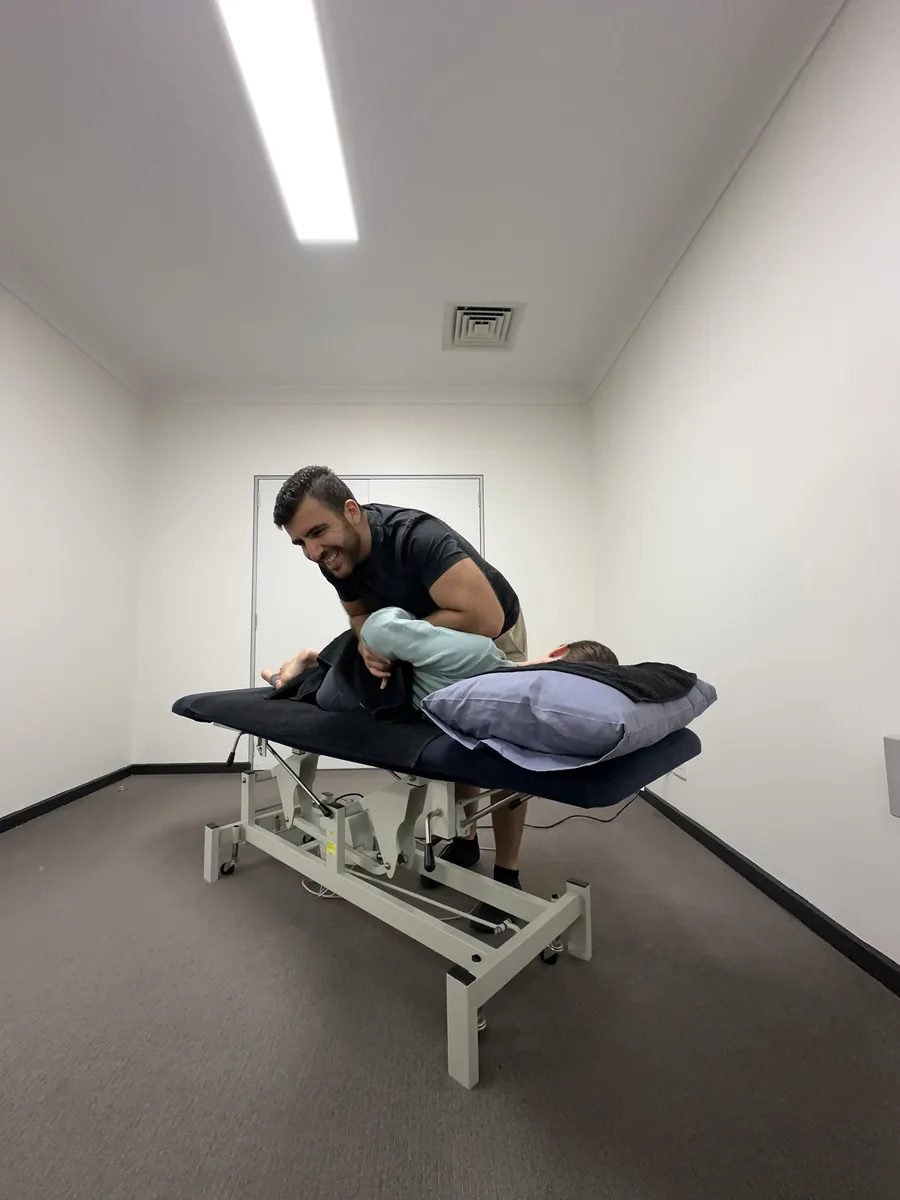
Lower back pain that comes on suddenly can be frightening. You bend to pick something up, or wake up stiff after a weekend of yard work or training, and suddenly getting out of a chair feels like a project. The good news is that most new episodes settle well, and there's a lot you can do in the first few days to help it along.
Across 33 studies following more than 11,000 people with new back pain, average pain scores fell by more than half within six weeks, from 52 out of 100 to 23 (da C Menezes Costa et al., CMAJ, 2012). Here is what the evidence says about helping it on its way.
Should I rest or keep moving with back pain?
Keep moving as much as you comfortably can. A Cochrane review found that people with acute low back pain who were advised to stay active had slightly less pain and better function than those advised to rest in bed (Dahm et al., Cochrane Database of Systematic Reviews, 2010). Bed rest used to be standard advice; it isn't any more.
That doesn't mean pushing through sharp pain. Short, frequent walks, changing position often, and doing your normal day in smaller chunks usually beats both bed rest and trying to carry on as if nothing happened.
Does heat help back pain?
Heat is a reasonable option. In trials of people with acute and sub-acute low back pain, heat wrap therapy reduced pain over five days compared with a placebo, while there wasn't enough evidence to say whether cold helps (French et al., Cochrane Database of Systematic Reviews, 2006). Use whichever you find more comfortable, and see our post on heat or ice for injuries for more detail.
Do painkillers help lower back pain?
Paracetamol on its own isn't the answer many people expect. In a trial of 1,652 people with acute low back pain, those taking paracetamol regularly or as needed recovered no faster than those taking a placebo: median recovery was 16 to 17 days in every group (Williams et al., Lancet, 2014). The UK's national guideline advises against paracetamol alone for low back pain, and suggests anti-inflammatory medication at the lowest effective dose for the shortest time when it's suitable for you (NICE guideline NG59).
Anti-inflammatories aren't safe for everyone, particularly if you have stomach, kidney or heart problems or take certain other medications, so check with your pharmacist or GP before using them.
What positions help lower back pain?
There's no single best position, but most people find relief in one of these: lying on your side with a pillow between your knees, lying on your back with your knees bent or supported, or lying face down with a pillow under your hips. Get up and move gently every half hour or so rather than staying in one position for long. When you sit, a chair with support and the ability to get up easily helps more than a soft couch.
If your back is worst first thing in the morning, our post on why your back hurts in the morning covers what's usually going on and what helps.
When should I see someone about back pain?
Book an assessment if the pain isn't clearly improving after a week or two, if it's stopping you sleeping, working or training, if pain, pins and needles or numbness spread into your leg, or if this keeps happening. At RISE we work out what's driving it, use hands-on treatment to settle pain and restore movement, and give you a plan to get back to normal, including specific steps back into the gym or on the mats if you train.
For a fuller explanation of back pain causes and treatment, see our low back pain guide. If leg pain is part of the picture, our disc bulge and herniation guide explains what scan results mean and typical recovery times.
When is back pain an emergency?
Go to an emergency department straight away if back pain comes with new difficulty controlling your bladder or bowels, numbness around the groin or inner thighs, or weakness or numbness in both legs. See your GP promptly if you have leg weakness that is getting worse, back pain with fever or feeling unwell, unexplained weight loss, a history of cancer, or pain after a significant fall or accident.
If you want a clear explanation and a plan rather than waiting it out, book an assessment at our Berwick clinic. A 60-minute initial consultation is $149, with no referral needed.
Sources
Book an initial consultation at RISE Sports & Spinal in Berwick. Clear diagnosis, hands-on treatment, and a plan that actually gets you better.
Related articles