Lower back pain when sitting: causes and what helps
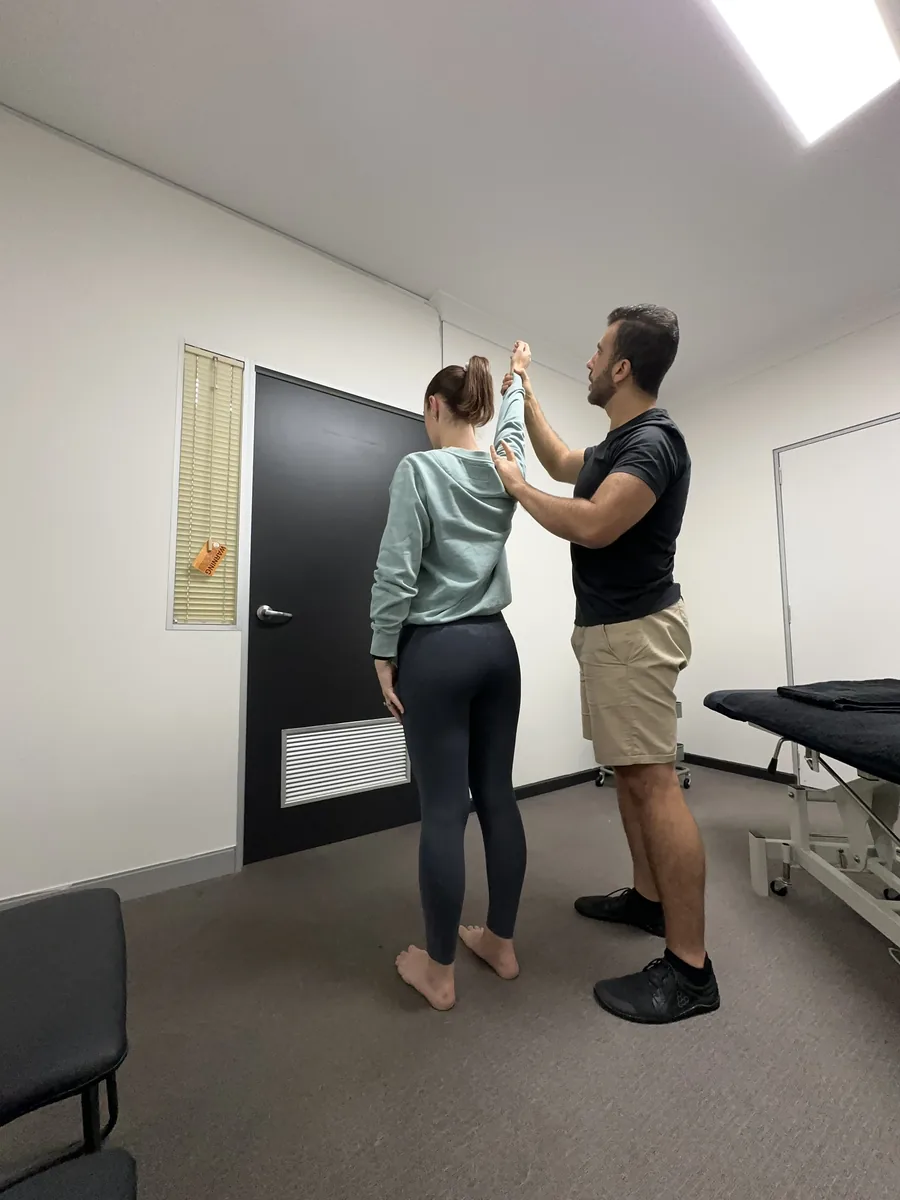
Lower back pain that builds up while sitting, at a desk, in the car or on the couch, is one of the most common complaints we hear. The good news is it's usually very manageable once you understand what's going on.
Does sitting cause lower back pain?
Probably not on its own. A systematic review found strong, consistent evidence of no association between sitting at work and developing low back pain, and concluded it's unlikely that occupational sitting by itself causes back pain (Roffey et al., The Spine Journal, 2010). But once your back is sore, sitting for long periods often aggravates it. The problem is usually staying in one position for too long, not sitting itself.
Why does my lower back hurt when I sit?
A sensitive disc often feels worse with prolonged sitting, particularly slumped, and may cause pain that eases when you stand and walk. Stiff, sensitive joints and muscles can ache after sitting still. Pain under the sit bones or at the base of the spine can come from the hamstring tendon or the tailbone. Pain that travels down your leg when you sit suggests an irritated nerve.
Our posts on tailbone pain and disc irritation go into those in more detail.
What is the best way to sit with lower back pain?
The best posture is your next one. There isn't a single correct position; changing position regularly matters more. Try a small rolled towel or lumbar support behind your lower back, keep your hips level with or slightly higher than your knees, and sit back into the chair rather than perching on the edge. Get up every 30 to 45 minutes, even for a minute, and try alternating sitting and standing if you have a sit-stand desk.
For desk set-up, see our home office desk set-up guide.
What helps lower back pain from sitting?
Movement breaks, a daily walk, and a few simple exercises, such as knee rocks, gentle back extensions and bridges, often help a lot. Over time, strength work for your back and hips helps your back tolerate long days at a desk or behind the wheel. Hands-on treatment can help settle pain in the short term while you build that capacity.
Why does my back hurt more when driving?
Driving combines sitting with vibration, a fixed position, and often a seat that's reclined too far or too far from the pedals. Bring the seat close enough that your knees stay slightly bent when pressing the pedals fully, sit upright with your back against the seat, use the lumbar support or a small cushion, and make sure you can reach the wheel with your elbows bent. On long drives, stop every hour or so for a short walk. This is particularly relevant for people commuting along the M1 or driving for work.
Is a standing desk better for back pain?
A standing desk isn't a cure on its own, as standing still all day can also be uncomfortable. Its value is making it easy to change position. Many people with sitting-related back pain do well alternating between sitting and standing every 30 to 60 minutes, and adding short walks. If your back aches when standing too, try resting one foot on a low step and shifting your weight regularly.
Do I need an ergonomic chair?
A good chair can make sitting more comfortable, but an expensive chair won't fix back pain if you still sit still for hours. Look for adjustable height, a backrest that supports your lower back, and a seat depth that lets you sit back fully with a couple of fingers' gap behind your knees. Then keep moving.
Why does my back hurt when I stand up after sitting?
Stiffness and pain when first standing up, which eases after a few steps, is common with sensitive joints and discs. Your back has been in one position and needs a moment to adjust. Before standing, shuffle to the front of the chair, gently arch and round your back a few times, then stand using your legs. If it's severe, or you can't straighten up for some time, it's worth getting assessed.
When should back pain from sitting be checked?
Book in if it isn't improving after a couple of weeks, keeps coming back, or you have pain, pins and needles or numbness in your leg. Go to an emergency department straight away if back pain comes with new difficulty controlling your bladder or bowels, numbness around the groin or inner thighs, or weakness or numbness in both legs. See your GP promptly for leg weakness that's getting worse, back pain with fever or feeling unwell, unexplained weight loss, or a history of cancer.
See our back pain treatment in Berwick page. Book an assessment at our Berwick clinic. A 60-minute initial consultation is $149, with no referral needed and HICAPS on-site.
Sources
Book an initial consultation at RISE Sports & Spinal in Berwick. Clear diagnosis, hands-on treatment, and a plan that actually gets you better.
Related articles