Spinal stenosis: back and leg pain when walking or standing
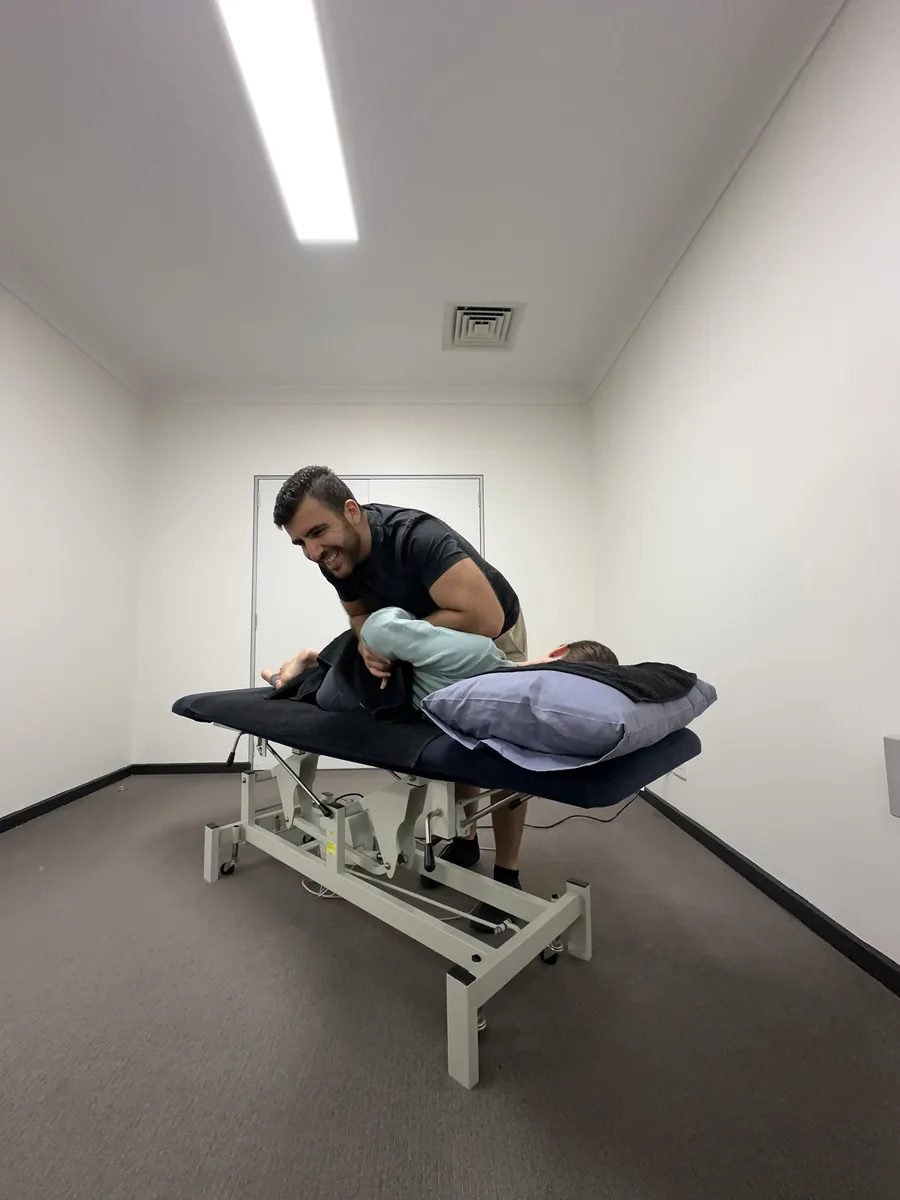
If your legs ache, tingle or feel heavy when you walk or stand for a while, and it eases when you sit down or lean forward, lumbar spinal stenosis is one possible cause. It's most common from the sixties onward. Here's what it is and what helps.
What is lumbar spinal stenosis?
Spinal stenosis means narrowing of the spaces in the lower spine where the nerves travel. It's usually caused by age-related changes: discs lose height, joints thicken and ligaments bulge into the canal. A BMJ review describes it as a clinical syndrome of pain in the buttocks or legs, with or without back pain, typically worse with standing, walking or bending backwards and relieved by bending forward, sitting or lying down (Lurie and Tomkins-Lane, BMJ, 2016).
What are the symptoms of spinal stenosis?
The classic symptom is pain, heaviness, tingling or cramping in one or both legs that builds as you walk or stand and eases within minutes of sitting or bending forward. Many people find they can walk further leaning on a shopping trolley, or cycle comfortably but not walk far. Lower back pain may or may not be present.
Why does bending forward help?
Bending forward slightly opens the spinal canal and the openings where the nerves exit, giving the nerves more room. Standing upright or arching backwards narrows these spaces. That's why sitting, leaning on a trolley and cycling are often comfortable.
Does a scan showing stenosis mean it will get worse?
Not necessarily. The BMJ review notes that narrowing on scans is very common in older people who have no symptoms at all. What matters is your symptoms and how they affect you. Many people with stenosis stay stable or improve over time, and only some get worse.
What is the best treatment for spinal stenosis?
Most people start with non-surgical care: exercise, staying active, hands-on treatment, pacing strategies, and sometimes medication or injections through your GP or specialist. A Cochrane review comparing surgery with non-surgical care found no clear benefit of one over the other, and concluded there was very little confidence either way. Side effects were reported in 10% to 24% of surgical cases and in none of the conservative treatments (Zaina et al., Cochrane, 2016).
What exercises help spinal stenosis?
Exercises that gently flex the lower back often ease symptoms: knees-to-chest lying on your back, sitting and bending forward, and pelvic tilts. A stationary bike is usually well tolerated and keeps you fit. Hip mobility and strength work for the glutes, legs and trunk help you walk further. Walking in shorter bouts with brief sitting or forward-leaning rests, gradually building up, is better than avoiding walking.
Can an osteopath help spinal stenosis?
We can't change the narrowing itself, but we can help with pain, mobility and walking tolerance. Treatment typically includes hands-on work for the lower back and hips, an exercise program tailored to you, and practical strategies for walking and standing. We also check for other causes of leg pain and refer you to your GP when needed.
Could leg pain when walking be a circulation problem?
Yes. Narrowed arteries in the legs can cause calf pain when walking that eases with rest, even if you rest standing up, which is a useful difference from stenosis. Cold feet, colour changes or sores that are slow to heal are other clues. Leg pain when walking should be checked by your GP so circulation can be assessed.
When is surgery considered for spinal stenosis?
Surgery is usually considered when symptoms are severe, significantly limit walking and daily life, and haven't improved with a good trial of conservative care, or when there's progressive weakness. It's a decision to make with a spinal surgeon, weighing the likely benefits against the risks.
How far should I walk with spinal stenosis?
Walk to the point where your leg symptoms start to build, then sit or lean forward until they ease, and continue. Several short walks a day usually work better than one long one. Using walking poles or a wheeled walker, which let you lean forward slightly, can increase how far you can go.
Does spinal stenosis always get worse?
No. Many people's symptoms stay about the same for years, some improve, and some gradually worsen. Staying active, keeping your legs and hips strong and managing your walking with rests gives you the best chance of staying mobile.
When is it urgent?
Go to an emergency department straight away for new difficulty controlling your bladder or bowels, numbness around the groin or inner thighs, or weakness or numbness in both legs. See your GP promptly if weakness in your leg or foot is getting worse. Sudden, severe calf pain with swelling, warmth or redness also needs same-day medical attention.
See our back pain treatment in Berwick page and our post on osteopathy for seniors. Book an assessment at our Berwick clinic. A 60-minute initial consultation is $149, with no referral needed and HICAPS on-site.
Sources
Lurie J, Tomkins-Lane C. Management of lumbar spinal stenosis. BMJ, 2016.
Book an initial consultation at RISE Sports & Spinal in Berwick. Clear diagnosis, hands-on treatment, and a plan that actually gets you better.
Related articles