BJJ lower back pain: why it happens and how to keep rolling
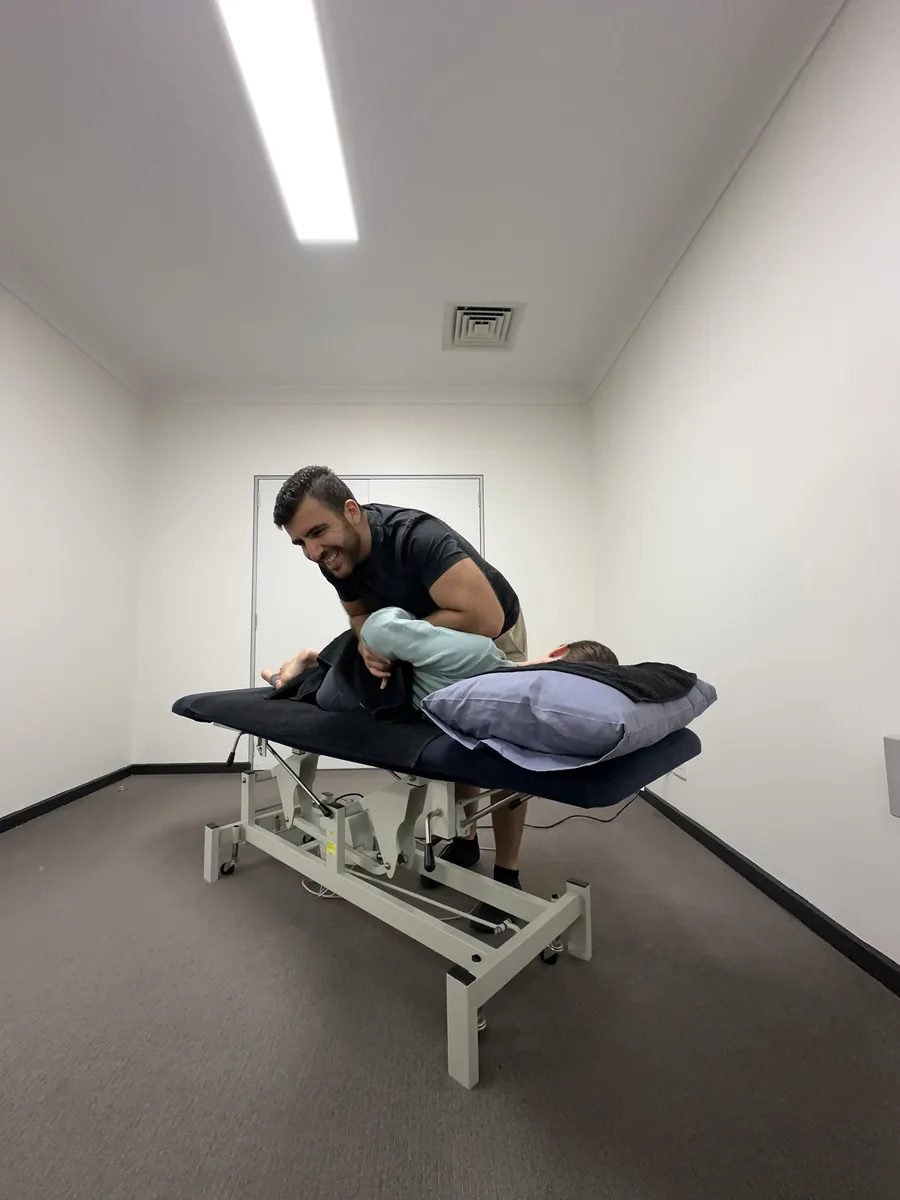
Lower back pain is a regular complaint among grapplers, and it's one Steven knows first-hand from his own training. Most of it is the ordinary kind that settles with sensible changes, but a few features are worth knowing about. Here's what's usually going on.
Why does BJJ cause lower back pain?
Jiu-jitsu loads the spine in positions few other sports do. Getting stacked in guard folds your lower back into flexion under your opponent's weight. Guard retention, inverting and berimbolos involve repeated flexion and rotation. Heavy top pressure, bridging, takedowns and lifting a partner add compression and sudden effort. Long sessions, fatigue and a big week of training on top usually tip it over.
Is my back pain from BJJ a disc or a muscle?
Most back pain from training is from muscles and joints: an ache or spasm across the lower back that's stiff in the morning and eases as you warm up. Pain that travels into your buttock or down your leg, especially below the knee, with pins and needles or numbness, is more suggestive of an irritated nerve, often from a disc.
If you have leg symptoms, our disc bulge and herniation guide explains what's going on, recovery timelines and a section on training with a disc injury.
Is rounding your back in BJJ dangerous?
Not in itself. Your spine is built to bend, and a review of lifting research found low-quality evidence that greater lower-back flexion was not a risk factor for back pain (Saraceni et al., JOSPT, 2020). The problem is usually load and fatigue: being stacked heavily, repeatedly, when you're tired, or a sudden jump in training. Building strength and tolerance to those positions helps more than trying to avoid them forever.
Can I keep training BJJ with lower back pain?
Usually yes, with changes. Drill, do lighter positional rounds, play guards that keep you from getting stacked, avoid inverting and heavy scrambles for a while, and tap early to spinal pressure such as stacks and can-openers. Walking and strength work in the gym, such as hinges, carries and core work within your comfort, help recovery more than full rest.
How long until I can roll normally again?
Simple back strains often settle over a few days to a couple of weeks. Disc-related pain with leg symptoms usually takes longer, often weeks to a few months. You're ready for full rolling when you can bend, twist, bridge and get stacked in a controlled drill without sharp pain or leg symptoms, and your back feels fine the day after positional rounds.
When should BJJ back pain be checked?
Book in if it isn't clearly improving after a week or two, keeps coming back, or you have leg pain, pins and needles or numbness. Go to an emergency department straight away if back pain comes with new difficulty controlling your bladder or bowels, numbness around the groin or inner thighs, or weakness or numbness in both legs. See your GP promptly for leg weakness that's getting worse, back pain with fever or feeling unwell, unexplained weight loss, or a history of cancer.
For the other injuries we see from grappling, see our guide to martial arts and BJJ injuries. Book an assessment at our Berwick clinic. A 60-minute initial consultation is $149, with no referral needed and HICAPS on-site.
Sources
Book an initial consultation at RISE Sports & Spinal in Berwick. Clear diagnosis, hands-on treatment, and a plan that actually gets you better.
Related articles