Martial arts and BJJ injuries: necks, shoulders and knees
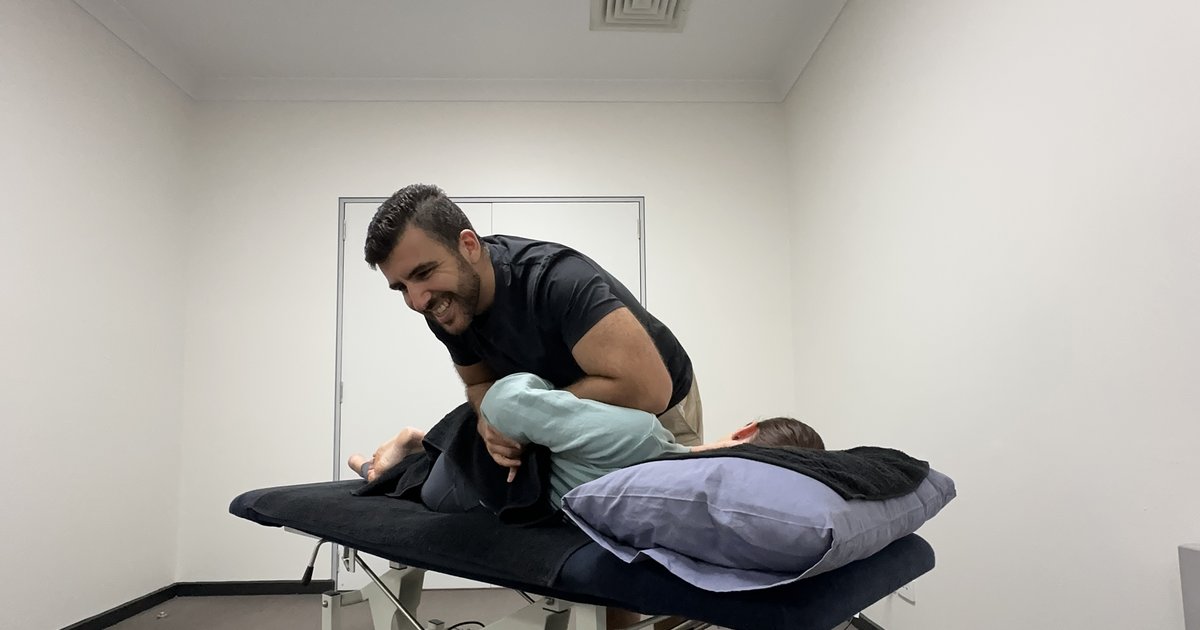
Brazilian jiu-jitsu, MMA and traditional martial arts have grown substantially across the south-east, and the injuries that come with them are different again to field sports. Grappling in particular produces joint injuries from sustained submission pressure rather than from impact.
Necks in grappling
Neck injuries in BJJ come from two sources: the sustained load of defending guillotines and headlocks, and the compressive load of stack passes and inverted positions. The result is often chronic stiffness and headaches rather than an acute injury. Any neck pain with arm symptoms needs assessment before returning to rolling — see neck pain.
Shoulders
Americanas, kimuras and armbars load the shoulder at end of range under someone else's bodyweight. Repeated exposure, even without a tap-too-late injury, produces rotator cuff and capsular irritation over time. Our shoulder pain page covers how we assess these.
Knees
Knee injuries in grappling come from twisting under load in guard positions and from heel hooks in submission-grappling rulesets. Any knee that swells within 24 hours of an injury, feels unstable, or locks needs proper assessment rather than a week off and a return to rolling.
Hips and the guard
Long periods in deep hip flexion and external rotation load the hip joint and the surrounding tendons. Hip impingement-type pain — a pinch at the front of the hip in deep flexion — is common in dedicated grapplers and responds well to a mix of mobility work and load management.
We've written detailed guides on the most common grappling injuries: knee injuries, shoulder injuries, neck injuries, rib injuries and lower back pain.
Training through injury
Most grapplers will train hurt, so we work with that rather than against it: which positions to avoid, how to modify rounds, and what genuinely needs a break. We will be clear about the difference between training smart and making something worse.
What a first appointment looks like
We start with what actually happened and what the demands of your sport are, then assess the injured area alongside the joints and muscles above and below it — because the painful structure is often not the limiting one. You get a diagnosis, a realistic timeframe, and a plan that accounts for your training and match schedule rather than assuming you can stop. If we think you need imaging or another practitioner, we will say so at that first visit rather than after six sessions.
Booking in
We are at 5/6-8 Langmore Lane, Berwick, with free on-site parking and same-week appointments most weeks. Initial consultations are 60 minutes and $149, with private health rebates processed on the spot via HICAPS. No referral is required, and we also work with WorkCover, DVA and Medicare care plans where they apply.
Sources
Book an initial consultation at RISE Sports & Spinal in Berwick. Clear diagnosis, hands-on treatment, and a plan that actually gets you better.
Related articles