Muay Thai and boxing injuries: what gets hurt and how to recover
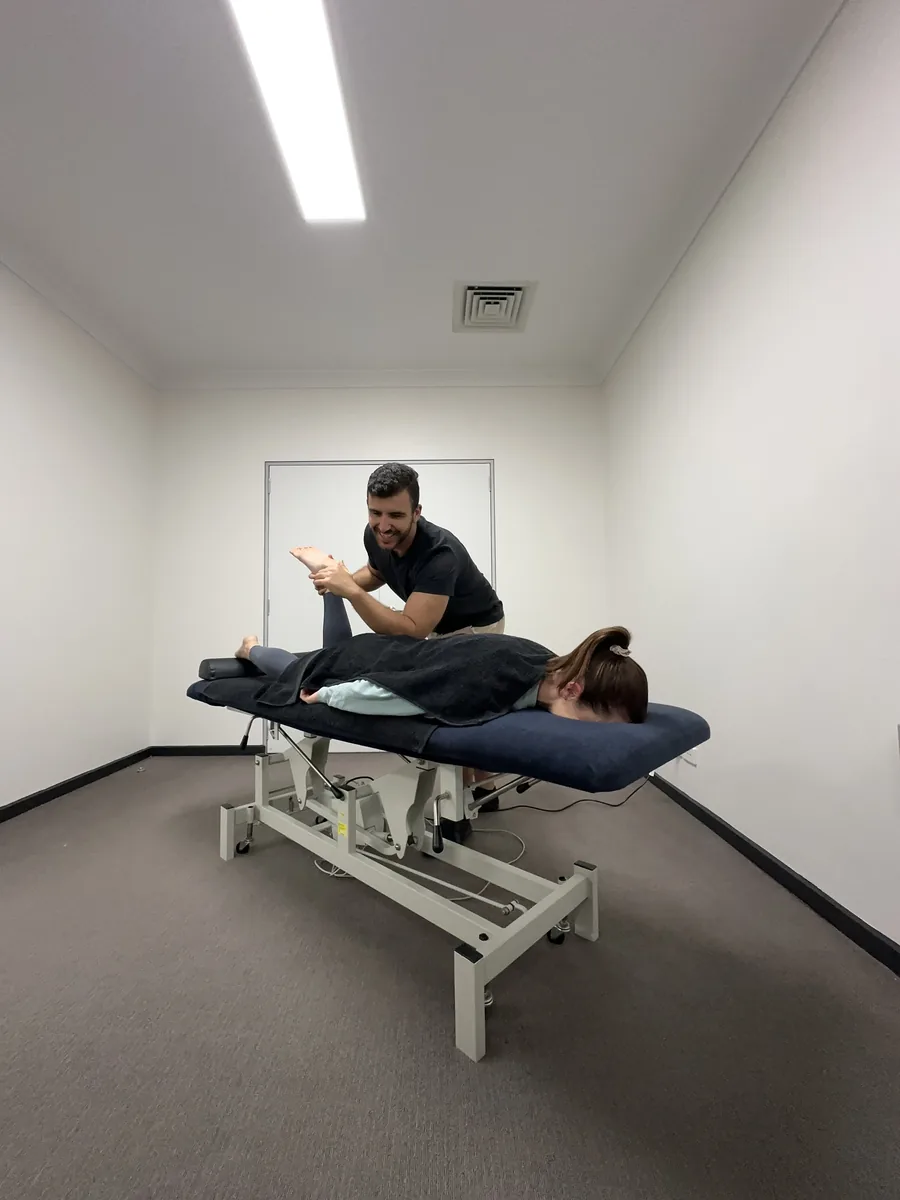
Striking sports like Muay Thai, kickboxing and boxing are popular across Casey, and we see plenty of strikers at RISE alongside our grapplers. Here's what tends to get injured and how to keep training safely.
What are the most common Muay Thai injuries?
In a study of Muay Thai participants, lower-limb injuries were the most common across beginners, amateurs and professionals, and soft tissue injuries such as bruising and strains were the most common type. Head injuries were the next most common in amateurs and professionals. Beginners had the highest injury rate of the three groups (Gartland et al., British Journal of Sports Medicine, 2001). In practice that means shins, feet and ankles from kicking and checking, knees from clinching and knees, ribs from body kicks, and hips and groins from high kicks.
What are the most common boxing injuries?
A study of professional boxing recorded 23.6 injuries per 100 fights, mostly cuts to the head and face, with older boxers and those with more fights at greater risk (Zazryn et al., Clinical Journal of Sport Medicine, 2009). In training, hands and wrists (particularly the knuckles and thumb), shoulders, elbows, the neck and ribs are common problems.
How should I train with a Muay Thai or boxing injury?
Most injuries don't need complete rest. Work on the parts that aren't injured: bag or pad work with the good side, footwork, fitness, and strength training. For hand and wrist injuries, well-fitted wraps and gloves and avoiding heavy bag work for a while often help. For shin and foot injuries, reduce kicking volume and avoid checking. For rib injuries, skip sparring and clinching until you can breathe deeply, twist and brace without pain.
Our posts on rib injuries and shoulder injuries are written for grapplers, but much of the advice applies to strikers too.
How do you prevent shin injuries in Muay Thai?
Shins adapt to kicking gradually, over months and years. Build up kicking volume and intensity slowly, especially if you're new or coming back from a break. Use shin guards for sparring, and don't jump from occasional classes to daily heavy bag work. Pain that's getting worse each session, or pain on a specific spot of the shin bone, particularly at night or when walking, should be checked, as bone stress injuries can develop from repeated impact.
How should you protect your hands in boxing?
Well-applied hand wraps and gloves suited to the task, heavier ones for sparring, matter a lot. So does technique: landing with the first two knuckles, keeping the wrist straight in line with the forearm, and not overextending punches. Build up bag work gradually, and don't punch through a sore hand or wrist week after week.
Can I lift weights alongside Muay Thai or boxing?
Yes, and strength training is likely to help. Stronger legs, hips, trunk, shoulders and neck help absorb and generate force, and may make injuries less likely. Plan heavy lifting sessions away from hard sparring days, keep volume modest during fight camps, and give your body time to recover.
Our post on training load errors explains why sudden spikes in training cause injuries.
How can an osteopath help strikers?
We assess injuries such as sore shins, hips, ribs, shoulders, wrists and necks, treat them hands-on, and adjust your training so you can keep working the parts that aren't injured. We also help plan a staged return to bag work, pad work and sparring, and refer for imaging or a medical opinion when needed.
How long should I rest after a rib injury from sparring?
Bruised ribs and rib cartilage or muscle strains commonly take a few weeks to settle, and cracked ribs typically six weeks or more. You can usually keep doing light pad work and fitness that doesn't hurt, but avoid sparring and clinching until you can breathe deeply, twist, cough and brace your trunk without sharp pain. Call 000 for rib pain with increasing breathlessness after a hit.
When should I stop training after a head knock?
If you have any concussion symptoms after a hit, such as headache, dizziness, confusion, blurred vision, nausea or feeling not quite right, stop training that day and don't spar again until you've been cleared by a doctor. Call 000 for loss of consciousness, a worsening headache, repeated vomiting, seizures, confusion that's getting worse, or weakness or numbness.
When should a striking injury be checked?
See a doctor promptly for a hand injury with a knuckle that looks sunken or crooked, a finger that overlaps another when you make a fist, or pain in the hollow at the base of your thumb, as these can be fractures. Book in with us for pain that isn't improving after a week or two, keeps coming back, or is changing how you train.
For grappling injuries, see our guide to martial arts and BJJ injuries. Book an assessment at our Berwick clinic. A 60-minute initial consultation is $149, with no referral needed and HICAPS on-site.
Sources
Book an initial consultation at RISE Sports & Spinal in Berwick. Clear diagnosis, hands-on treatment, and a plan that actually gets you better.
Related articles