How risky is BJJ? Injury rates and how to stay healthy
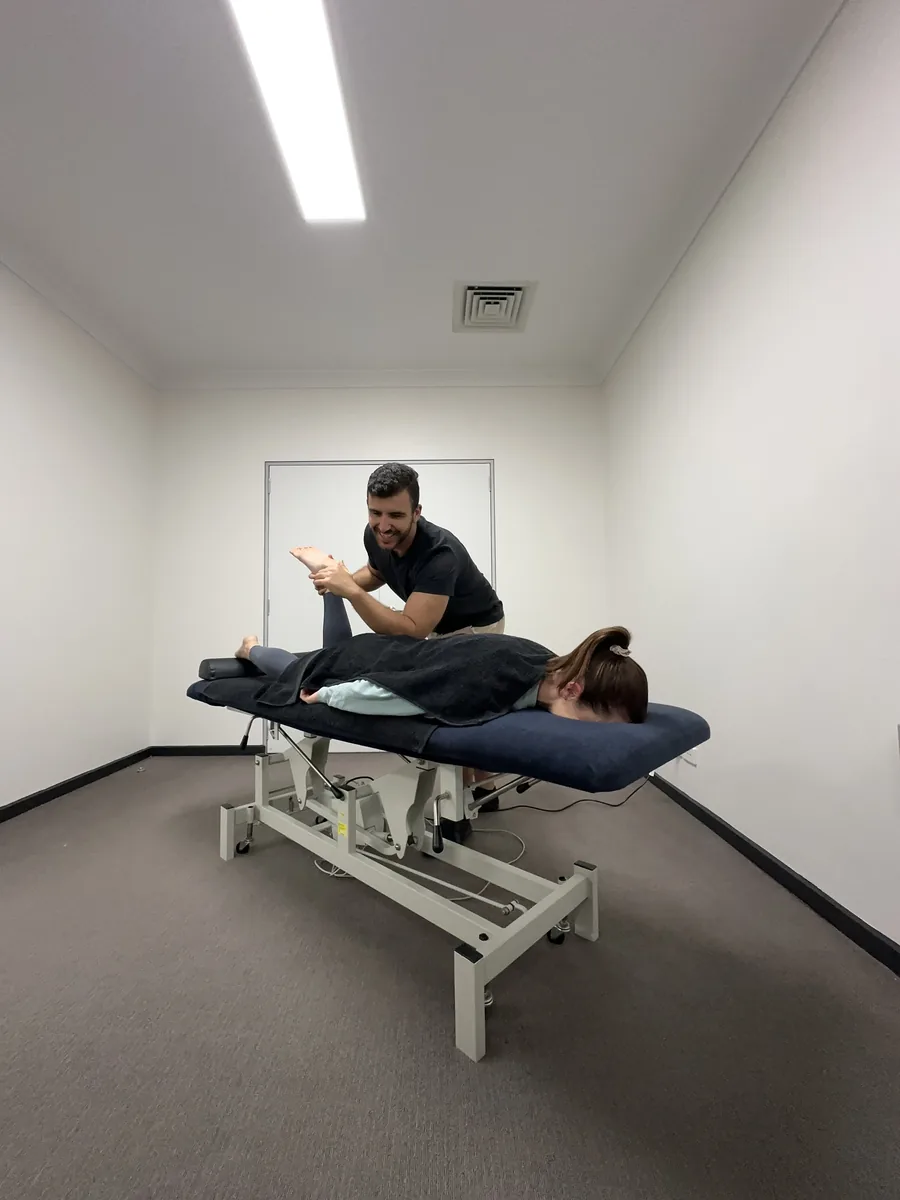
If you're thinking about starting jiu-jitsu, or you've been training for years and seem to be carrying a few niggles, it's natural to wonder how risky it really is. Steven trains BJJ himself and treats a lot of grapplers at the clinic. Here's what the research shows and what you can do about it.
How common are injuries in BJJ?
A 2025 study of 881 BJJ practitioners around the world found an injury rate of 5.5 injuries per 1,000 hours of training and 55.9 per 1,000 competition matches (Stegerhoek et al., BMJ Open Sport & Exercise Medicine, 2025). Put simply, someone training four hours a week would, on average, pick up roughly one injury a year. Higher belt levels had higher injury rates, likely reflecting more years and hours of training.
Is BJJ more dangerous than other martial arts?
Compared with striking sports and some other combat sports, BJJ looks relatively safe. A study of BJJ competitions found an injury rate of 9.2 per 1,000 match exposures and concluded that BJJ competitors were at substantially lower risk of injury than those in judo, taekwondo, wrestling and mixed martial arts (Scoggin et al., Orthopaedic Journal of Sports Medicine, 2014). Most BJJ injuries are musculoskeletal, such as sprains and strains, rather than head injuries.
When do most BJJ injuries happen?
In training rather than competition. In the 2025 study, 89% of injuries happened during training, and most of those during sparring (rolling), rather than drilling or warm-ups. That makes sense: there's far more time spent rolling than competing, and it's where intensity and unpredictability are highest.
What gets injured most in BJJ?
The knees and shoulders. In the 2025 study, the knees accounted for 25% of injuries and the shoulders 13%. A review of studies found the knees, chest and ribs, and shoulders were the most affected regions (Santos et al., Revista Brasileira de Ortopedia, 2024). In competition, the elbow is the most commonly injured joint, usually from armbars. Necks, lower backs, fingers and toes round out the list.
We've written detailed guides on knee, shoulder, elbow, rib, neck and lower back injuries.
Are heel hooks dangerous?
They carry a real risk to the knee. A study of competitive BJJ athletes found the knee injury rate in competitors exposed to heel hooks was 26.5 per 1,000 matches, compared with 2.2 in those who weren't, about 12 times higher (Piekarski et al., Sports Health, 2026). The authors recommended skill training to reduce that risk. Learning leg lock defence well, and tapping early, matters.
How can I reduce my risk of injury in BJJ?
Tap early, particularly to heel hooks, kneebars, armbars, kimuras and neck pressure, and especially with unfamiliar partners. Choose training partners who roll with control, and match intensity to the round. Build up training volume gradually, and take lighter weeks after competitions or hard blocks. Strength train two or three times a week, focusing on legs, hips, trunk, shoulders, neck and grip. Sleep well, and don't keep rolling through a niggle that's getting worse week to week.
Should beginners worry about getting injured in BJJ?
Beginners often roll with more strength and less control than experienced practitioners, which can increase risk for themselves and their partners. Spend your first months focusing on positions, escapes and controlled rolling, communicate with your partners, and don't be afraid to sit out a round when you're tired.
Does age affect injury risk in BJJ?
Many people start or continue jiu-jitsu well into their thirties, forties and beyond. Older grapplers may need more recovery between hard sessions, a more gradual build-up of training volume, and a stronger focus on strength work. Choosing training partners carefully and rolling with control become even more important. Age alone isn't a reason not to train.
Does strength training reduce BJJ injuries?
Strength training builds the capacity of muscles, tendons and joints to cope with the forces of grappling, and most coaches and clinicians recommend it. Two or three sessions a week covering legs, hips, trunk, upper back, shoulders, neck and grip is a practical target, fitted around your mat time so you're not always training tired.
Is BJJ safe for kids?
Kids' jiu-jitsu programs generally restrict higher-risk techniques such as heel hooks, neck cranks and slams. Look for a gym with qualified coaches, age-appropriate rules and close supervision, and keep an eye on any pain that persists or affects how your child moves.
When should a BJJ injury be checked?
Book in if an injury isn't improving after a week or two, keeps coming back, or is changing how you train. Get urgent care for a joint that looks deformed, sudden swelling with instability, numbness or weakness in an arm or leg, or any head or neck injury with confusion, severe headache or arm or leg symptoms.
For more, see our guide to martial arts and BJJ injuries. Book an assessment at our Berwick clinic. A 60-minute initial consultation is $149, with no referral needed and HICAPS on-site.
Sources
Book an initial consultation at RISE Sports & Spinal in Berwick. Clear diagnosis, hands-on treatment, and a plan that actually gets you better.
Related articles