Bone bruise: what it is and how long it takes to heal
A bone bruise is a common finding on MRI after a knock, a fall, a twisted knee or a rolled ankle. It sounds minor, but it can be surprisingly painful and slow, which catches many people out.
What is a bone bruise?
It's an injury to the bone that stops short of a fracture. An impact or compression damages the tiny internal struts of the bone, with bleeding and swelling inside it. It's also called bone marrow oedema or a bone contusion. It doesn't show on X-ray; it's seen on MRI.
What causes it?
A direct blow, such as a kick, fall or collision, or two bone surfaces being driven together during a twisting injury. Bone bruises are very common alongside knee ligament injuries, such as ACL tears, and ankle sprains. They also occur in the heel after landing hard, and in the foot and hip.
What does a bone bruise feel like?
A deep, aching pain that's worse with weight-bearing and impact, tenderness when pressing on the bone, and often swelling of the nearby joint. It lasts much longer than a soft tissue bruise.
How long does a bone bruise take to heal?
Longer than most people expect. In a study that followed 80 people with knee bone bruises on MRI, the median time for the bruise to resolve on the scan was about 42 weeks. Healing took longer in older people, in those with osteoarthritis, and in those with several bruises (Boks et al., American Journal of Roentgenology, 2007). Symptoms usually settle well before the scan returns to normal, often within one to three months for a simple bruise.
Why does it take so long?
Bone heals and remodels slowly, and weight-bearing bones are loaded with every step. The swelling inside bone can't disperse easily, which is partly why it aches.
How is a bone bruise treated?
By reducing load to a level that doesn't aggravate it, then building back gradually. That may mean a short period on crutches for a significant bruise in the knee, ankle or hip, followed by progressive walking, strengthening and a staged return to impact. Pain relief can be used as advised by your pharmacist or GP.
Should I rest completely?
Usually not. Bone responds to appropriate loading. Activities that don't hurt, such as cycling or swimming, are generally encouraged, while impact such as running and jumping is delayed until walking is comfortable.
Can I keep training?
Often, with changes. Train the rest of the body, use low-impact cardio, and strengthen around the injured area within comfort. Return to running and sport when you can walk briskly, hop and land without pain.
What about a bruised heel?
Landing hard on the heel, or repeated impact, can bruise the heel bone or the fat pad beneath it. A cushioned heel cup, supportive shoes and reducing impact for a few weeks usually help.
See our post on heel fat pad pain.
Is a bone bruise the same as a stress fracture?
No. A bone bruise follows a single impact or injury. A bone stress injury develops gradually from repeated loading, without a specific incident, and needs a different approach.
See our post on stress fractures.
Does a bone bruise damage the joint?
Most resolve without lasting problems. Larger bruises directly under the joint surface, particularly those that come with ligament injuries, can be associated with cartilage damage, and are usually monitored more closely.
Do I need another scan?
Not usually. Follow-up is based on symptoms and function. A repeat scan is considered if pain isn't improving as expected or is getting worse.
Does ice, heat or a brace help?
Ice can ease pain and joint swelling in the early weeks. A brace or supportive sleeve may make walking more comfortable. Neither speeds up healing of the bone itself.
Does nutrition matter?
Bone repair needs adequate energy, protein, calcium and vitamin D. If your diet is restricted, or you have risk factors for low vitamin D, raise it with your GP.
Why did my X-ray look normal?
X-rays show the outer shape of bone and clear breaks. A bone bruise is a change inside the bone, without a visible fracture line, so it only appears on MRI. A normal X-ray with ongoing pain on weight-bearing is one reason an MRI may be requested.
How can an osteopath help?
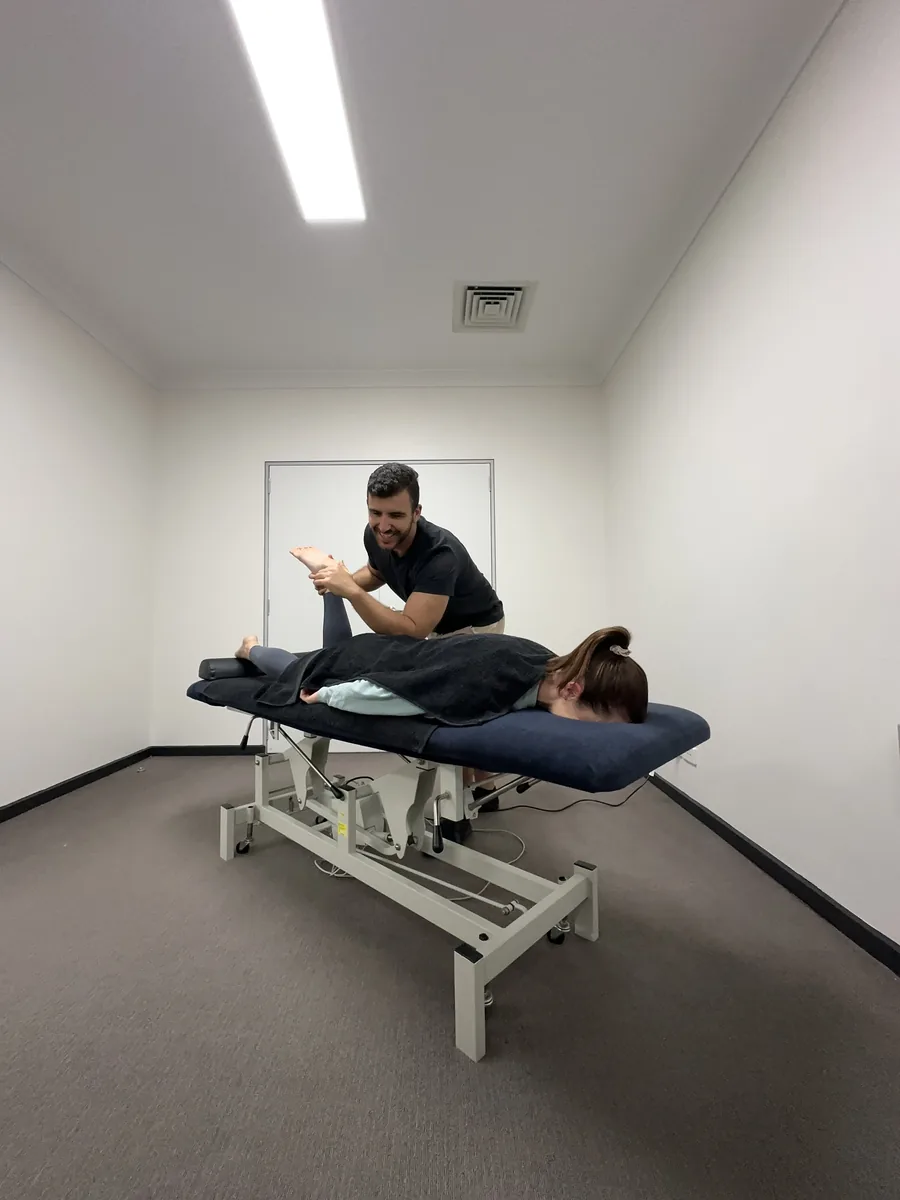
We assess the injured area and nearby joints for associated ligament or cartilage injury, guide how much load is right at each stage, treat hands-on to restore movement, and plan your return to training.
When should it be reassessed?
See your GP or return for review if pain is worsening, you can't bear weight, the joint locks or gives way, or symptoms aren't improving after six to eight weeks.
See our post on returning to sport after injury and our sports injuries page. Book an assessment at our Berwick clinic. A 60-minute initial consultation is $149, with no referral needed and HICAPS on-site.
Sources
Book an initial consultation at RISE Sports & Spinal in Berwick. Clear diagnosis, hands-on treatment, and a plan that actually gets you better.
Related articles