Collagen supplements for tendons and joints: do they work?
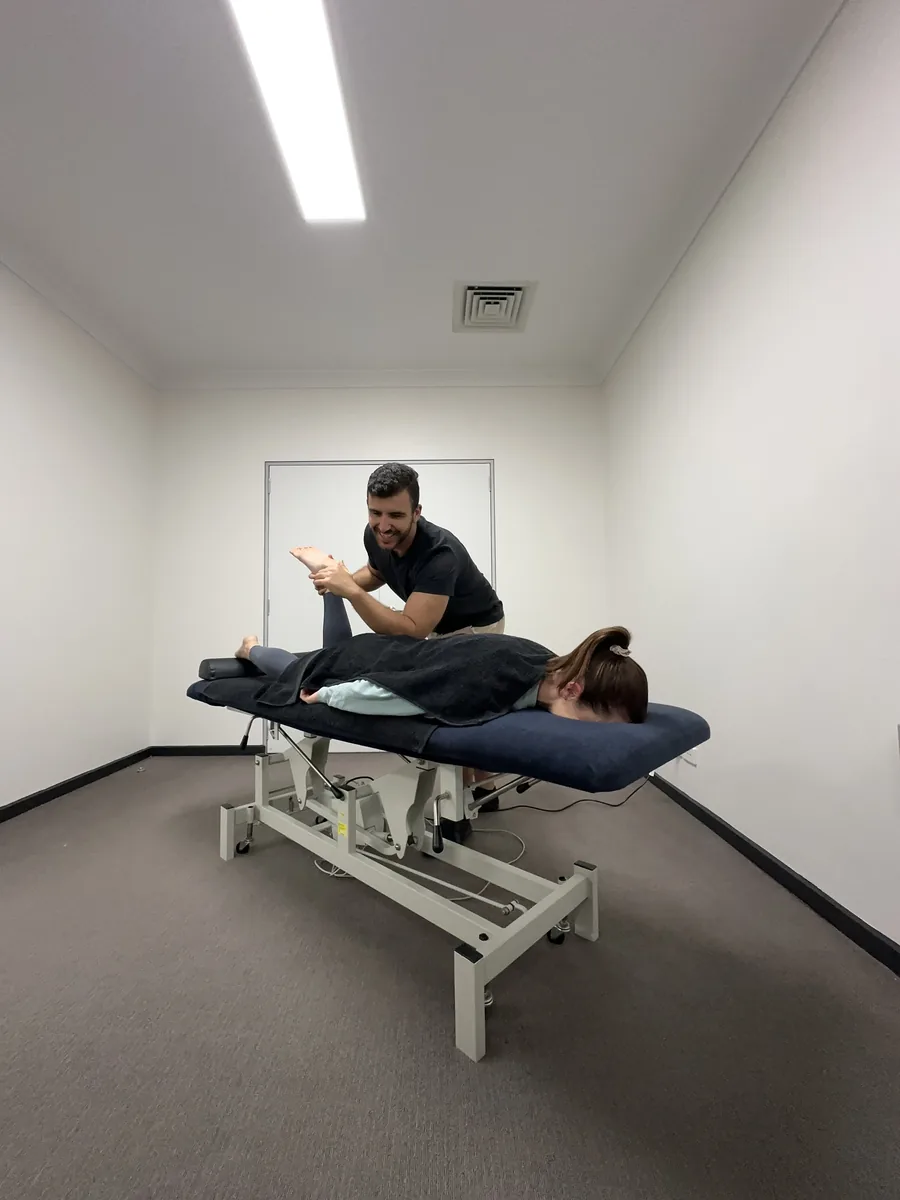
Collagen powders are marketed for everything from skin to joints. For people with tendon injuries or sore joints, the question is whether there's anything behind the claims. The answer is: some early evidence, with real limits.
This is general information, not individual dietary advice. Steven is an osteopath, not a dietitian. For a plan tailored to you, particularly if you have a medical condition, see your GP or an Accredited Practising Dietitian or sports dietitian.
What is collagen?
Collagen is the main structural protein in tendons, ligaments, cartilage and bone. Collagen supplements, usually sold as hydrolysed collagen (collagen peptides) or gelatin, are made from animal connective tissue. When you eat them, they're broken down into amino acids and small peptides, particularly glycine, proline and hydroxyproline.
Does eating collagen build collagen in your tendons?
Not directly; your body doesn't send it straight to your tendons. But a small study found that taking 15 grams of gelatin with vitamin C one hour before short bouts of skipping doubled a blood marker of collagen synthesis compared with placebo, suggesting it may support collagen production when combined with exercise (Shaw et al., American Journal of Clinical Nutrition, 2017). That study measured a blood marker in eight healthy men, not healing in injured tendons.
Do collagen supplements help joint pain?
A systematic review of 15 randomised trials of collagen peptides combined with exercise found the clearest benefits were for joint function and joint pain, with some improvements in body composition, strength and muscle recovery. The authors noted the mechanisms are unclear and called for larger studies (Khatri et al., Amino Acids, 2021).
Do they help tendon injuries heal?
The evidence is limited. A few small studies have combined collagen with tendon-loading exercise programs with encouraging results, but they aren't large or consistent enough to be confident. Progressive loading remains the proven treatment for tendon pain; collagen is, at best, a possible small addition.
How is collagen usually taken in the research?
Protocols typically use 10 to 15 grams of collagen peptides or gelatin, together with a source of vitamin C (around 50 mg, the amount in a small glass of orange juice), taken 30 to 60 minutes before tendon-loading exercise or rehab. The timing is intended to have the amino acids available in the blood when the tendon is loaded.
Why vitamin C?
Vitamin C is needed for the body to make collagen. Most people get enough from fruit and vegetables; the small amount added in studies ensures it isn't a limiting factor.
Is collagen a good protein for building muscle?
No. Collagen is low in the essential amino acids, particularly leucine, that stimulate muscle building. The review above found it didn't match higher-quality proteins for muscle protein synthesis. Don't count collagen as a replacement for your usual protein foods.
See our post on protein and injury recovery.
Is collagen safe?
It's generally well tolerated. It's an animal product, so it isn't suitable for vegetarians or vegans, and people with allergies to the source (such as fish or beef) should avoid those products. If you compete in a drug-tested sport, choose a product that has been independently batch-tested.
Gelatin or collagen peptides?
They provide the same amino acids. Gelatin is cheaper and needs to be dissolved in hot liquid or made into jelly; collagen peptides dissolve in cold drinks. There's no good evidence one works better.
How long before I'd notice anything?
Studies reporting joint or tendon benefits generally ran for three to six months. Tendons adapt slowly, so judging any change takes patience, and it's hard to separate the effect of the supplement from the exercise program.
Is it worth trying?
If you have a tendon problem and are already doing a good loading program, collagen with vitamin C before your rehab is a low-risk option to consider, as long as you see it as an extra. If cost is a concern, your money is better spent on a well-designed rehab program and enough ordinary protein.
What works for tendon pain?
Progressive loading: gradually increasing the strength demands on the tendon over weeks to months, while managing the activities that aggravate it.
See our posts on patellar tendinopathy, Achilles tendinopathy and gluteal tendinopathy.
Does bone broth do the same thing?
Bone broth contains some collagen, but the amount varies widely between batches and is usually lower than the doses used in studies. It's fine as food, but it isn't a reliable substitute for a measured supplement if you're following a research-style protocol.
How can an osteopath help?
We diagnose which tendon or joint is involved, build a loading program that suits your sport or daily life, and treat hands-on where it helps. For supplement and dietary advice specific to you, see your GP or a sports dietitian.
See our training hub. Book an assessment at our Berwick clinic. A 60-minute initial consultation is $149, with no referral needed and HICAPS on-site.
Sources
Book an initial consultation at RISE Sports & Spinal in Berwick. Clear diagnosis, hands-on treatment, and a plan that actually gets you better.
Related articles