Vitamin D, calcium and stress fractures: what athletes need
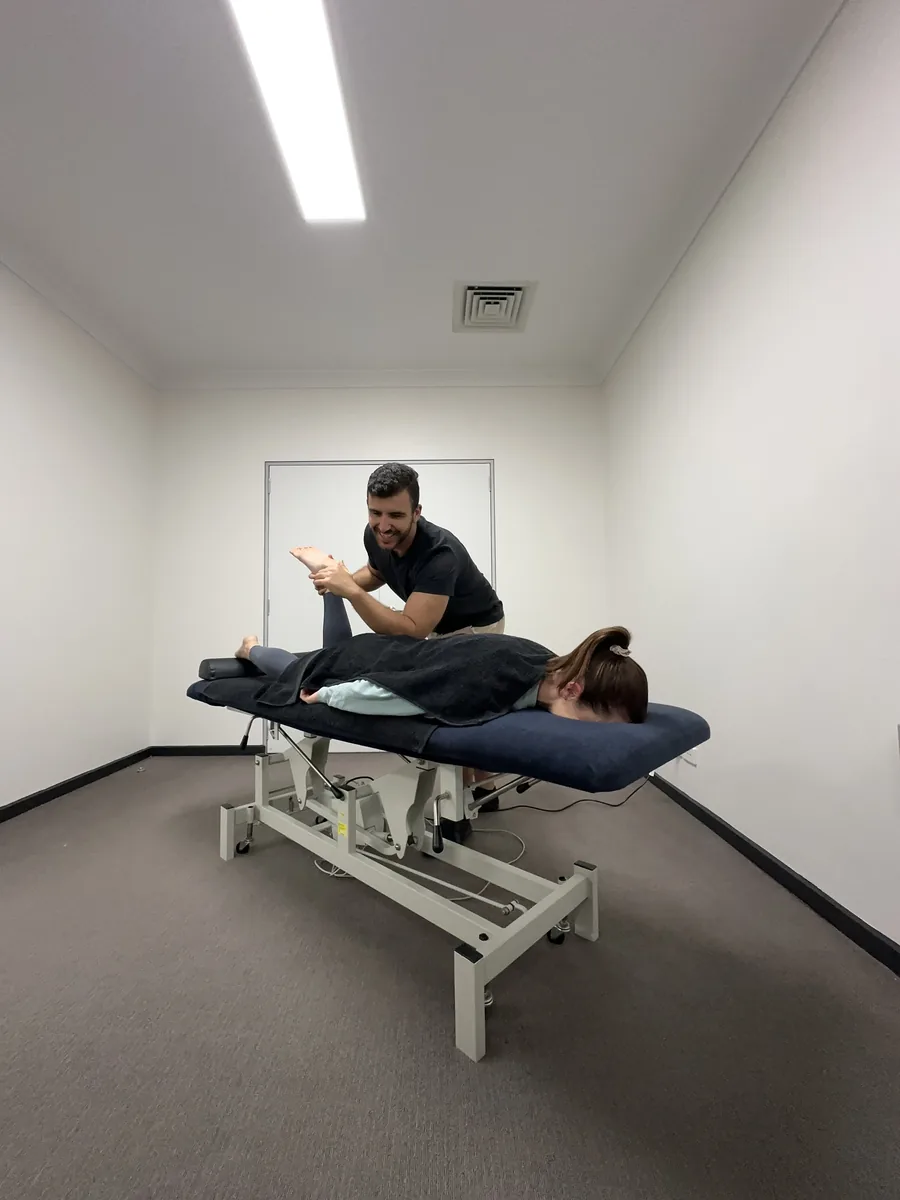
Bone stress injuries, from stress reactions to stress fractures, are among the most frustrating injuries for runners, footballers, dancers and military recruits. Training load is the main driver, but nutrition, including vitamin D and calcium, plays a supporting role.
This is general information, not individual dietary advice. Steven is an osteopath, not a dietitian. For a plan tailored to you, particularly if you have a medical condition, see your GP or an Accredited Practising Dietitian or sports dietitian.
What is a bone stress injury?
Bone constantly remodels in response to load. When training increases faster than bone can adapt, small areas of damage accumulate, first as a stress reaction and, if loading continues, as a stress fracture. Common sites are the shin, the bones of the foot, the heel, and less often the hip and pelvis.
Do vitamin D and calcium prevent stress fractures?
There's evidence that they can help in some groups. In a randomised, placebo-controlled trial of 5,201 female Navy recruits, those given 2,000 mg of calcium and 800 IU of vitamin D daily during eight weeks of basic training had a 20% lower incidence of stress fractures than those given placebo: 5.3% compared with 6.6% (Lappe et al., Journal of Bone and Mineral Research, 2008). These were young women starting intense training, so the result may not apply equally to everyone.
Why do vitamin D and calcium matter for bone?
Calcium is the main mineral in bone, and vitamin D is needed to absorb calcium from food. If either is low, the body draws on bone to keep blood calcium stable, and bone becomes less able to cope with repeated loading.
Who is at risk of low vitamin D?
In Australia, vitamin D deficiency is more common than many people expect, particularly at the end of winter in the southern states, including Victoria. People who train indoors, cover up for cultural or sun-protection reasons, have darker skin, or spend most daylight hours inside are at higher risk.
Should I get my vitamin D tested?
Testing isn't needed for everyone, but it's worth discussing with your GP if you've had a bone stress injury, have risk factors for deficiency, or have had more than one stress fracture. Your GP can also check other factors that affect bone.
Should I take a vitamin D or calcium supplement?
That's best decided with your GP or dietitian, based on your diet, sun exposure and blood results. Supplements are useful when intake or levels are low. Taking more than you need doesn't add benefit, and very high doses can be harmful.
How much calcium do I need from food?
Most adults need around 1,000 mg a day, and more for teenagers, women over 50 and men over 70. Three serves of dairy or calcium-fortified alternatives a day covers most of it. Tinned fish with bones, tofu set with calcium, almonds and leafy greens also contribute.
Is low energy intake a bigger risk than low vitamin D?
It can be. Not eating enough to match training is one of the strongest nutritional risk factors for bone stress injuries, because it affects the hormones that maintain bone. In women, missed or irregular periods are a warning sign.
See our post on under-fuelling and bone stress injuries.
What else increases the risk of stress fractures?
A sudden increase in running or training volume is the most common factor. Others include a previous stress fracture, low bone density, a change in surface or footwear, poor sleep, and some medications. Strength training and a gradual build-up of load are protective.
How do I know if shin pain is a stress fracture?
General shin soreness that warms up tends to be muscle or tendon related. Pain that's focused on one spot on the bone, hurts to press, gets worse the more you run, and aches afterwards or at night is more concerning and needs assessment and usually imaging.
See our post on shin splints.
How are bone stress injuries treated?
By reducing load to a level the bone tolerates, which sometimes means a boot or crutches, then rebuilding gradually. Some sites, such as certain bones in the foot and the hip, are higher risk and need specialist care. Cross-training, strength work and attention to nutrition and sleep are part of recovery.
How can an osteopath help?
We assess shin, foot and hip pain, recognise when a bone stress injury is likely and refer for imaging, and plan a graded return to running and sport. We'll refer you to your GP or a sports dietitian where nutrition, hormones or bone density need checking.
See our posts on common running injuries and osteoporosis and exercise, or our training hub. Book an assessment at our Berwick clinic. A 60-minute initial consultation is $149, with no referral needed and HICAPS on-site.
Sources
Book an initial consultation at RISE Sports & Spinal in Berwick. Clear diagnosis, hands-on treatment, and a plan that actually gets you better.
Related articles