BJJ over 40: training smart and staying on the mats
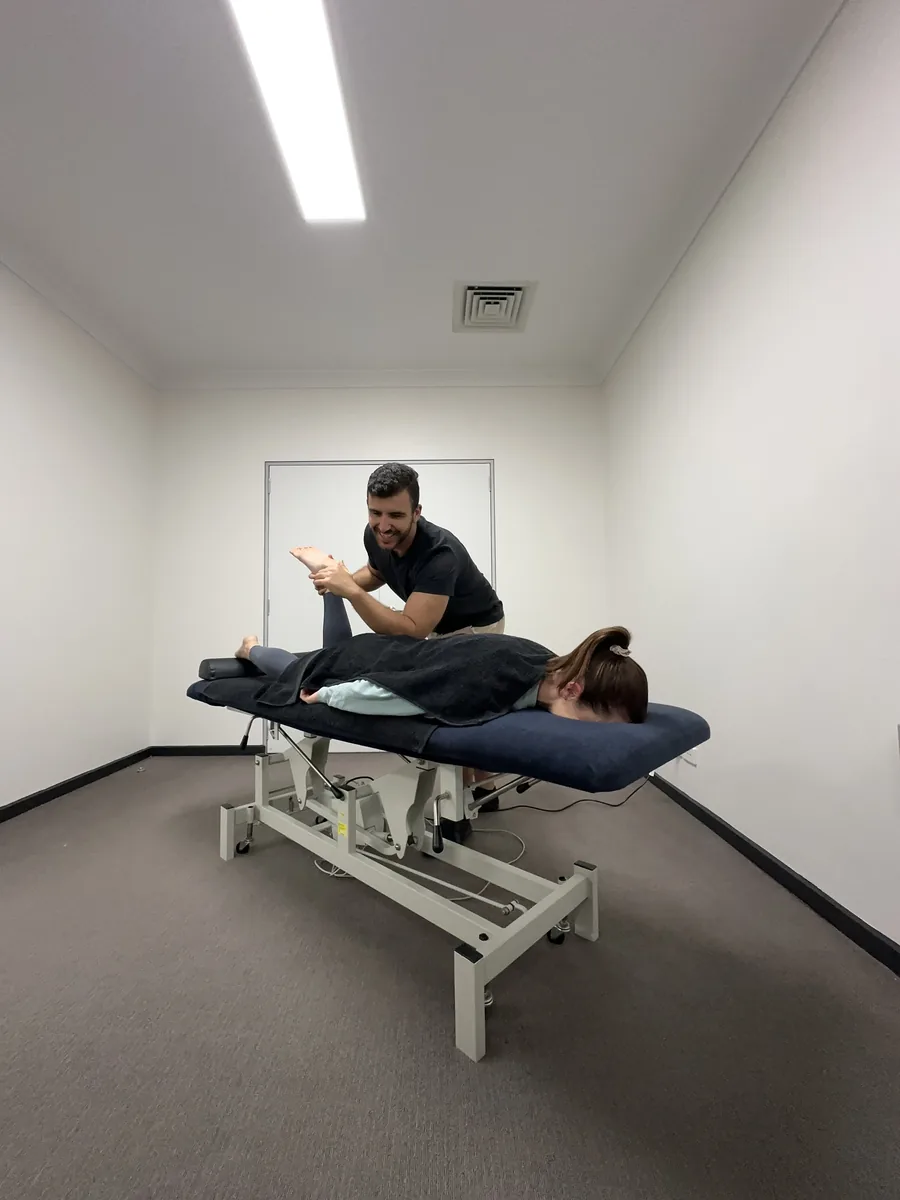
Plenty of people start jiu-jitsu in their thirties, forties or later, and many keep training for decades. Steven trains BJJ himself and treats a lot of masters-age grapplers at the clinic. Age isn't a reason to stop, but it does change how you should train.
Is it too late to start BJJ at 40?
No. Jiu-jitsu can be scaled to almost any age and fitness level, and many gyms have a large group of older beginners. The keys are starting gradually, choosing the right training partners, and accepting that building mat fitness takes a few months.
Do older grapplers get injured more?
The research doesn't give a clear answer on age alone. A study of 881 practitioners found an injury rate of 5.5 per 1,000 training hours, with higher rates at higher belt levels, and most injuries happening during sparring (Stegerhoek et al., BMJ Open Sport & Exercise Medicine, 2025). What's clear in practice is that recovery takes longer as you get older, old injuries are more likely to flare up, and tissues tolerate sudden spikes in training less well.
How often should I train BJJ over 40?
There's no single answer, but two to four sessions a week suits most people with jobs and families. Space harder sessions so you have a day to recover in between, and build up gradually if you're new or returning. Watch for signs you're doing too much: soreness that hasn't settled by the next session, poor sleep, or niggles that are getting worse week to week.
How should I roll differently as I get older?
Pick your partners and your rounds. Roll with people who are controlled, and don't feel obliged to say yes to every hard round with a 25-year-old competitor. Use positional sparring and flow rolling as well as live rounds. Develop a game built on position, pressure and timing rather than explosive scrambles and inversions. Sit out a round when you're exhausted, as fatigue is when most injuries happen.
Which injuries should older grapplers watch for?
The knees and shoulders are the most commonly injured areas across all ages. Older grapplers also tend to notice neck and lower back stiffness, sore fingers, and tendon problems such as tennis or golfer's elbow. Leg locks deserve respect: one study found the knee injury rate in competitors exposed to heel hooks was about 12 times higher than in those who weren't (Piekarski et al., Sports Health, 2026).
Should I tap earlier?
Yes. Tapping early costs you nothing in training and saves weeks off the mats. That applies especially to heel hooks, kneebars, kimuras, armbars and any neck pressure, where damage can occur before it hurts much.
Does strength training help older grapplers?
It's one of the most useful things you can do. Muscle strength and power decline with age unless you train them, and stronger legs, hips, trunk, shoulders, neck and grip help your joints cope with grappling. Two sessions a week of 30 to 45 minutes is enough for most. Schedule them away from your hardest rolling sessions.
How important is warming up?
More important than it used to be. Arrive a few minutes early, and move through hips, spine, shoulders and neck before drilling. Start with lighter rounds and build intensity rather than going flat out in the first roll.
How do I recover better between sessions?
Sleep is the biggest factor. Eating enough protein, staying hydrated, walking on rest days and keeping stress in check all help. Massage guns, foam rollers and ice baths can make you feel better, but they're extras rather than the foundation.
Should I train through niggles?
Minor stiffness that warms up is part of the sport. Pain that's getting worse, changes how you move, or lingers into the next day deserves attention. Most problems are much quicker to sort out when they're dealt with early.
Is gi or no-gi easier on an older body?
Each has trade-offs. Gi training is slower and more controlled, which many older grapplers prefer, but it's hard on the fingers and grips. No-gi is easier on the hands but faster and more scramble-heavy, and leg locks are more common. Many people do a mix, and adjust depending on what's sore.
Should I compete in masters divisions?
Masters divisions match you with people of similar age and belt, which makes competing more realistic. Competition does carry a higher injury rate than training, so build up your preparation gradually, keep your strength work going, and be honest with yourself about tapping early under adrenaline.
When should I see someone?
Book in for an injury that isn't improving after a week or two, keeps coming back, or is changing how you train. See your GP before starting if you have heart or blood pressure problems or other health conditions, and stop and seek urgent help for chest pain, unusual breathlessness, dizziness or fainting during training.
See our guide to martial arts and BJJ injuries and our post on BJJ injury rates. Book an assessment at our Berwick clinic. A 60-minute initial consultation is $149, with no referral needed and HICAPS on-site.
Sources
Book an initial consultation at RISE Sports & Spinal in Berwick. Clear diagnosis, hands-on treatment, and a plan that actually gets you better.
Related articles