Pec strain: chest muscle strains from the gym and sport
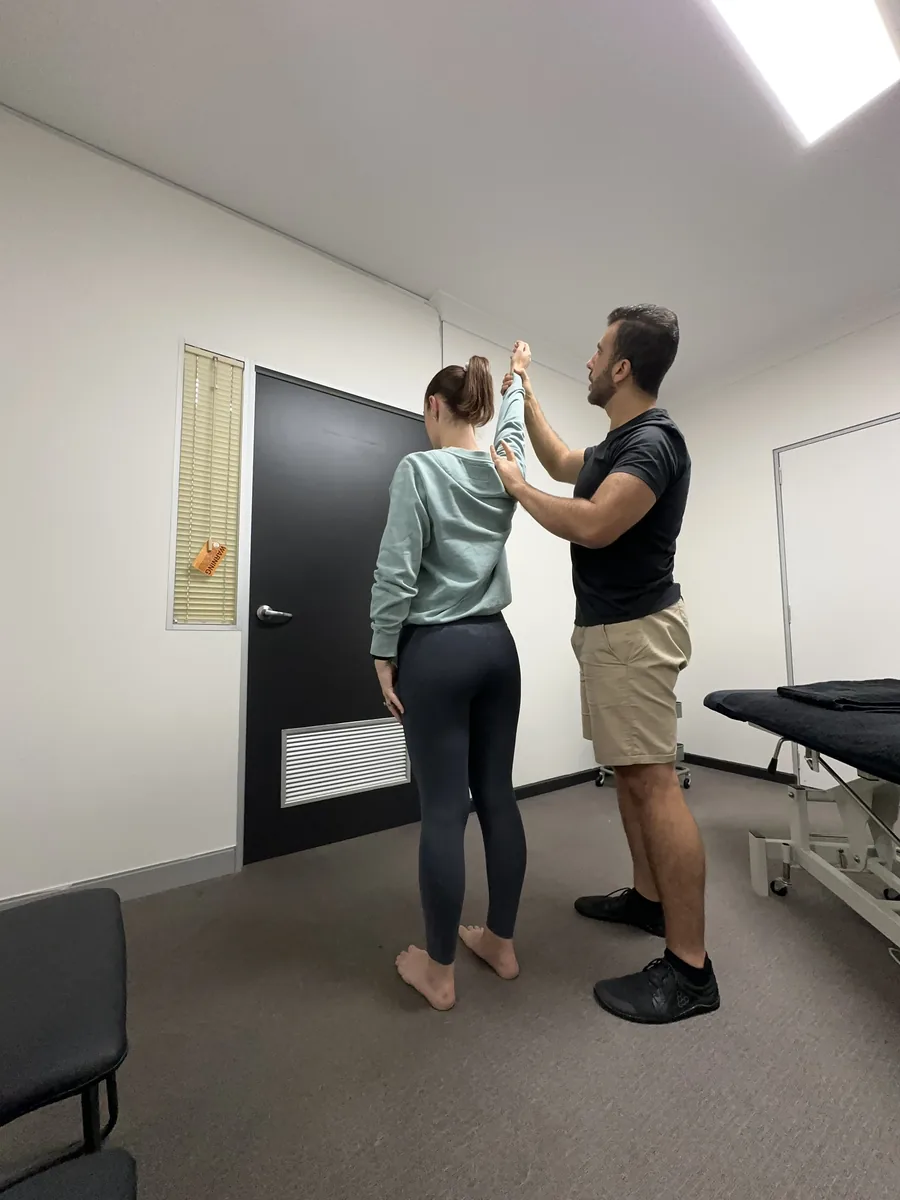
A pec strain is an injury to the pectoralis major, the large chest muscle that pushes and pulls the arm across the body. It's most common in the gym, especially on bench press, but also happens in BJJ, rugby, AFL and other contact sports. Most are mild strains that recover well. A complete tear needs to be recognised early.
How do pec strains happen?
Most occur when the muscle is working hard while being stretched: lowering a heavy bench press, the bottom of a dip, a wide-grip fly, or when the arm is forced out to the side in a tackle or a grappling exchange. A meta-analysis of pectoralis major tendon tears found all patients were male, with 61.9% of injuries occurring during weight training (Bodendorfer et al., American Journal of Sports Medicine, 2020).
What does a pec strain feel like?
A sudden pull or sharp pain in the chest or at the front of the armpit, followed by tenderness, pain with pushing movements and stretching the arm out. Mild strains may only hurt with heavy pressing; more significant strains cause bruising and weakness.
How do I know if it's a tear?
Signs of a complete tear of the tendon include a pop at the time of injury, significant bruising spreading into the upper arm, a visible change in the shape of the chest or the front fold of the armpit, and clear weakness pushing or bringing the arm across the body. If these are present, see a doctor promptly for an ultrasound or MRI.
Why does early diagnosis of a tear matter?
Complete tears are usually repaired surgically in active people. The same meta-analysis found repair within the acute period gave significantly better function and satisfaction with appearance than delayed repair (Bodendorfer et al., 2020). Don't wait weeks to see whether a suspected tear settles.
How long does a pec strain take to heal?
Mild strains often settle in two to three weeks. Moderate strains, with some bruising and weakness, typically take four to eight weeks before returning to heavy pressing. Surgical repairs take several months of rehab.
What should I do in the first few days?
Avoid pressing and stretching the chest, use ice or cool packs for pain, and keep the shoulder moving gently within comfort. Most people can continue training legs and lower body.
What does rehab look like?
Start with gentle range of motion and light static holds, then progress to push-ups on an incline, light dumbbell pressing with a neutral grip, cable presses and rows. Increase range, then load, over weeks. Return to heavy bench press last, building from moderate weights.
How do I prevent another pec strain?
Warm up properly with lighter sets, control the lowering phase, avoid bouncing the bar off the chest, and be careful with very wide grips and deep dips when fatigued. Build volume and intensity gradually.
See our posts on bench press shoulder pain and warming up.
Could chest pain be something else?
Pain in the chest wall can also come from the rib cartilages, the ribs or the upper back. Chest pain without an injury, or with breathlessness, sweating, nausea or pain spreading to the jaw or arm, needs a call to 000.
See our posts on costochondritis and rib injuries in BJJ.
Can I keep training in BJJ?
Drilling and light rolling that avoid frames and underhooks on the injured side are often possible with a mild strain. Avoid positions where your arm can be pulled out to the side, such as kimuras and Americanas, until strength has returned.
See our post on BJJ shoulder injuries.
Which parts of the pec get injured?
Strains can occur in the muscle belly across the chest, at the junction where muscle becomes tendon near the armpit, or at the tendon's attachment on the upper arm bone. Injuries close to or at the tendon attachment are more likely to need surgical repair, which is why bruising and weakness near the armpit and upper arm should be checked.
Is it safe to keep training other body parts?
Yes. Squats, deadlifts with a comfortable grip, lunges, cycling and core work can usually continue, provided they don't load or stretch the chest painfully. Keeping fitness up makes the return to full training easier.
Should I stretch a pec strain?
Not aggressively in the early stages. Gentle movement within comfort is helpful, but strong stretches like doorway stretches can aggravate a fresh strain. Introduce stretching gradually once pressing is comfortable.
How can an osteopath help?
We assess the severity of the strain, refer you promptly for imaging if a tear is suspected, and build a graded rehab and return-to-lifting plan. We also look at the shoulder and upper back to reduce the risk of recurrence.
See our muscular strains guide and our training hub. Book an assessment at our Berwick clinic. A 60-minute initial consultation is $149, with no referral needed and HICAPS on-site.
Sources
Book an initial consultation at RISE Sports & Spinal in Berwick. Clear diagnosis, hands-on treatment, and a plan that actually gets you better.
Related articles