Hamstring tendinopathy: sit bone pain when sitting or running
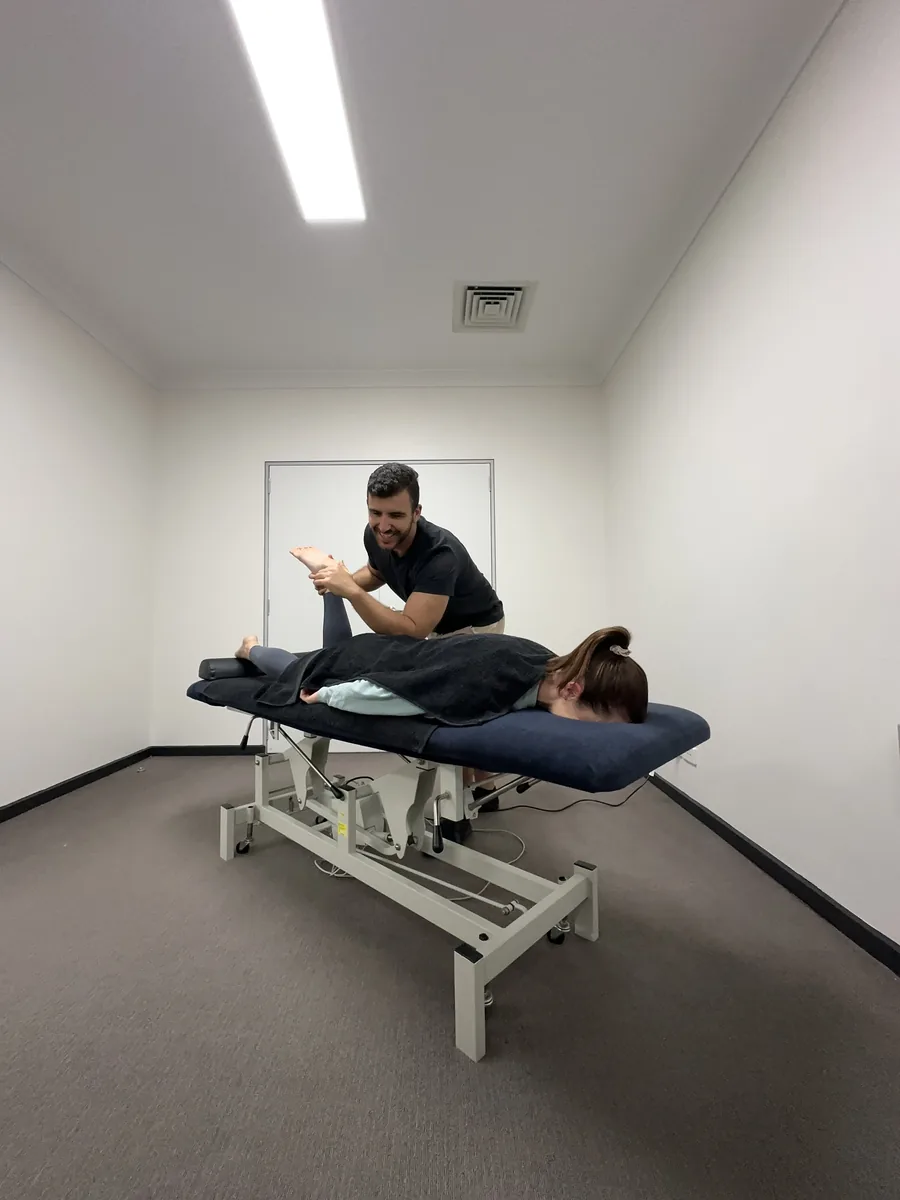
A deep ache right at the sit bone, worse sitting on hard chairs and when running or deadlifting, is often proximal hamstring tendinopathy. It's common in runners and lifters and can be stubborn, but it responds to the right approach.
What is proximal hamstring tendinopathy?
It's a painful condition of the hamstring tendon where it attaches to the sit bone (ischial tuberosity) at the bottom of the buttock. A clinical review describes it as typically causing deep buttock pain at the hamstring origin, affecting both athletic and non-athletic people, often long-standing and limiting sport and daily activities (Goom et al., JOSPT, 2016).
What does hamstring tendinopathy feel like?
Pain is localised to the sit bone, sometimes spreading a little way down the back of the thigh. It's typically worse with sitting, especially on hard surfaces or while driving, running (particularly uphill or fast), deep lunges, deadlifts, and bending forward with straight knees. It often warms up during activity and aches afterwards.
What causes it?
The tendon is loaded most when the hip is bent and the hamstring is working or stretched, which also compresses the tendon against the sit bone. Common triggers are a rapid increase in hill running, sprinting or speed work, lots of deadlifts, good mornings or deep lunges, and aggressive hamstring stretching, often combined with long periods of sitting.
Should I stretch a sore hamstring tendon?
No. Stretching the hamstring compresses the tendon against the sit bone and usually aggravates it, even though the area can feel tight. Avoiding hamstring stretches and deep hip-flexed positions for a while is one of the most useful early changes.
What is the best treatment for hamstring tendinopathy?
There are no randomised trials specifically on rehabilitation for this condition, so management follows the principles that work for other tendons: reduce the loads that irritate it, then progressively strengthen (Goom et al., JOSPT, 2016). Early on, that means limiting hills, speed work, deep hip flexion under load, and long periods sitting on hard surfaces. Sitting on a cushion or taking pressure off the sit bone helps.
What exercises help hamstring tendinopathy?
A typical progression starts with static holds with the hip in a neutral position, such as a bridge hold with your feet out in front, or a single-leg bridge hold. Then move to slow, heavy strengthening with little hip flexion, such as hamstring curls and bridges. Next comes loading with more hip flexion, such as Romanian deadlifts, hip thrusts and step-ups. Finally, add faster, sport-specific work such as sled pushes and running drills. Mild discomfort is fine if it settles within a day.
Can I keep running with hamstring tendinopathy?
Often yes, with changes. Keep to flat routes at an easy pace, shorten your runs, and leave out hills and speed sessions for now. If pain rises above a mild level during a run or is worse the next day, reduce the load further. Cycling out of the saddle, swimming or the elliptical can maintain fitness in the meantime.
How long does hamstring tendinopathy take to heal?
It's usually slow. Many people need three to six months of consistent loading to return to full training, and long-standing cases can take longer. Progress is measured in weeks rather than days.
Is it my hamstring tendon or sciatica?
The two can feel similar, and the sciatic nerve runs close to the tendon. Tendon pain is usually well localised to the sit bone and provoked by loading the hamstring. Pain that travels down the leg below the knee, with pins and needles or numbness, or back pain alongside it, points more towards the nerve or lower back.
See our post on tight hamstrings and lower back pain.
How should I sit with hamstring tendinopathy?
Avoid hard seats and long periods of sitting where you can. A cushion, or sitting with your weight slightly forward on your thighs rather than directly on your sit bones, reduces pressure on the tendon. Stand up regularly, and for long drives, adjust the seat so your hips aren't bent as sharply and take breaks.
Can an osteopath help hamstring tendinopathy?
Yes. We confirm the diagnosis, check the lower back, hip and sciatic nerve, and build a staged loading program around your running or lifting. Hands-on treatment to the surrounding muscles can ease symptoms, and we'll advise on sitting, training changes and when to progress.
When should sit bone pain be checked?
Book in if buttock pain isn't improving after a few weeks or is affecting sitting, work or training. See a doctor promptly after a sudden pop at the sit bone with bruising down the back of the thigh, as this can be a tendon tear.
See our post on hamstring strain rehab and our hip and pelvic pain guide. Book an assessment at our Berwick clinic. A 60-minute initial consultation is $149, with no referral needed and HICAPS on-site.
Sources
Book an initial consultation at RISE Sports & Spinal in Berwick. Clear diagnosis, hands-on treatment, and a plan that actually gets you better.
Related articles