Pulled quad muscle: how long it takes to heal
A sudden pull or sharp pain in the front of the thigh while sprinting, kicking or jumping is usually a quadriceps strain. It's common in soccer, football and sprinting sports, and most heal well with a structured return.
What is a quad strain?
It's a tear in the muscle fibres of the quadriceps, the four muscles at the front of the thigh. Rectus femoris, which crosses both the hip and the knee, is the one most often strained, usually during kicking or sprinting. Strains and contusions make up the majority of quadriceps injuries in sport (Kary, Current Reviews in Musculoskeletal Medicine, 2010).
What does a pulled quad feel like?
A sudden sharp pain or tightening at the front of the thigh, often mid-thigh or higher towards the hip, followed by pain when walking, climbing stairs, kicking or bending the knee fully. The area is tender to press and may bruise. With a larger tear, you may feel a gap or lump in the muscle.
How is it different from a corked thigh?
A corky is a bruise from a direct blow, such as a knee to the thigh. A strain happens without contact, during a forceful movement. They're managed differently in the early days, so it's worth knowing which you have.
See our post on corked thighs.
How long does a quad strain take to heal?
It depends on the grade. A mild strain often settles in one to three weeks. A moderate strain, with a partial tear and more pain and weakness, typically takes three to six weeks. A severe tear can take several months and may need a specialist opinion.
What should I do in the first few days?
Stop playing. Use ice and compression for comfort, and walk normally as pain allows, with crutches if you're limping heavily. Avoid stretching the injured muscle, massage, heat and alcohol in the first couple of days. Gentle pain-free movement of the knee and hip is fine.
What exercises help a pulled quad heal?
Early: tightening the thigh muscle with the leg straight, straight-leg raises and gentle knee bending within comfort. Then stationary cycling, wall sits, sit-to-stands and step-ups. Later, lunges, split squats, Spanish squats, reverse Nordic curls, and running drills. Progress when each stage is pain-free.
When can I stretch it?
Gentle stretching can start once walking is comfortable, usually after the first week for a mild strain. It should feel like a mild pull, not pain.
When can I run and kick again?
Start straight-line jogging when walking, stairs and gentle squats are pain-free. Build speed gradually. Kicking puts the highest load on rectus femoris, so add it last, starting with short passes and building to long kicks over a couple of weeks.
When can I return to sport?
When you have full, pain-free movement, strength close to the other leg, and can sprint, change direction and kick at full effort in training without pain. Returning too early is the main reason quad strains recur.
Why do quad strains happen?
Fatigue, inadequate warm-up, sudden increases in sprinting or kicking volume, and previous injury all increase risk. They're common early in the season and late in games.
How can I prevent another one?
Warm up with progressively faster running and practice kicks, build kicking and sprinting volume gradually in pre-season, and keep quad and hip flexor strengthening in your program.
See our post on pre-season injuries.
Do I need a scan?
Usually not. Imaging is considered for suspected severe tears, a palpable gap, injuries near the hip where the tendon can pull off, or when recovery isn't going to plan.
Should I use heat or massage later?
After the first few days, heat before exercise and gentle soft tissue work around the area can ease tightness and make movement more comfortable.
Can I keep training other things?
Usually. Upper-body work, trunk exercises, swimming with a pull buoy and, once comfortable, stationary cycling keep you fit while the quad heals.
What if it keeps happening?
Recurrent quad strains usually mean the muscle hasn't been rebuilt to match the demands of your sport, particularly for kicking and sprinting. A longer, more progressive strengthening phase, and gradual kicking loads, are the answer.
Is it a quad strain or hip flexor strain?
Pain high in the front of the thigh, near the hip, can be either, as rectus femoris acts on both joints. Pain with kicking and bending the knee points to the quad; pain lifting the knee towards the chest points to the hip flexors. Management is similar.
How can an osteopath help?
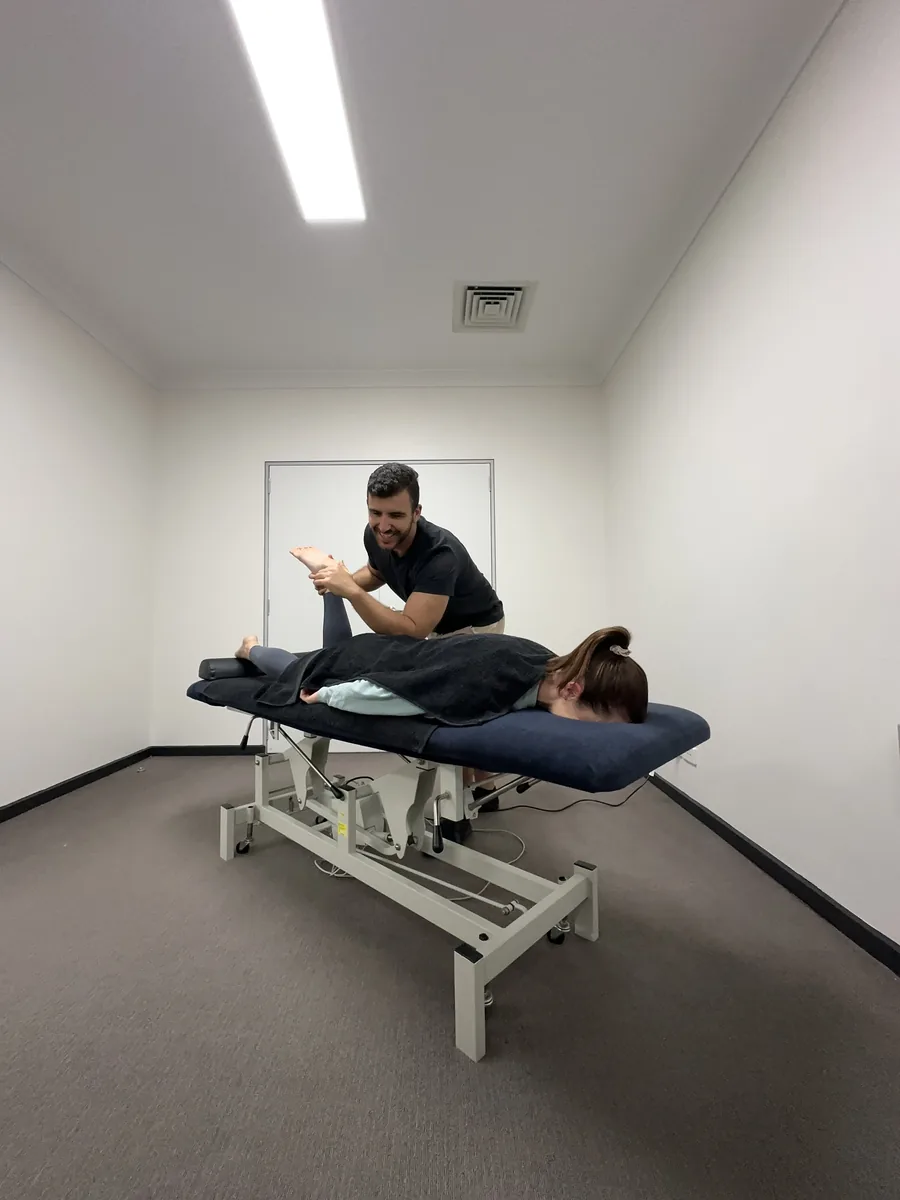
We assess and grade the strain, check the hip and knee, treat hands-on once the early phase has passed, and guide a staged return to running, kicking and sport.
When is it urgent?
Seek medical care for a thigh that becomes very tight, swollen and increasingly painful, numbness in the leg, or inability to straighten the knee against gravity, which can indicate a tendon rupture.
See our muscular strains page. Book an assessment at our Berwick clinic. A 60-minute initial consultation is $149, with no referral needed and HICAPS on-site.
Sources
Book an initial consultation at RISE Sports & Spinal in Berwick. Clear diagnosis, hands-on treatment, and a plan that actually gets you better.
Related articles