Morton's neuroma: burning pain in the ball of the foot
Morton's neuroma causes burning, shooting or numb pain in the ball of the foot, usually between the third and fourth toes. Many people describe it as walking on a pebble or a fold in the sock. It's common, particularly in women and people who wear tight or high-heeled shoes.
What is Morton's neuroma?
It's a thickening of the tissue around one of the small nerves that run between the long bones of the foot to the toes. A Cochrane review describes it as a painful benign enlargement of the nerve, most often in the third web space and less often the second (Matthews et al., Cochrane, 2024).
What are the symptoms?
Burning, sharp or electric pain in the ball of the foot that can shoot into the toes, numbness or tingling in two adjacent toes, and a feeling of a pebble under the foot. Symptoms are worse in tight shoes and when walking or standing, and often ease when you take the shoe off and rub the foot.
What causes it?
Compression and irritation of the nerve between the metatarsal bones. Tight, narrow or pointed shoes, high heels, activities with lots of time on the forefoot, such as running, dancing and court sports, and foot shapes that put more load through the forefoot can all contribute.
How is it different from metatarsalgia?
Metatarsalgia is a general aching under the ball of the foot, usually under the joints themselves. Morton's neuroma is felt between the bones, with burning, shooting or numb nerve symptoms into the toes. They can occur together.
See our post on metatarsalgia.
How is it diagnosed?
Diagnosis is mainly clinical: tenderness between the metatarsal heads, symptoms reproduced by squeezing the forefoot, and sometimes a click. Ultrasound or MRI can confirm it, especially when injections or surgery are being considered.
What helps?
Footwear changes are the first step: wider shoes with room in the toe box, lower heels, and softer, cushioned soles. A metatarsal pad, placed just behind the painful area, spreads the bones and takes pressure off the nerve. Reducing the amount of time spent on the forefoot, and modifying running or training, also helps.
Do injections help?
Corticosteroid injections are commonly used. However, the Cochrane review found only six small trials and low-certainty evidence; adding corticosteroid to a local anaesthetic injection may make little to no difference to pain at three to six months, and some people had skin or fat pad thinning. Discuss the options with your GP or a podiatrist.
Is surgery needed?
Surgery to remove the nerve or release the tissue around it is considered when conservative care fails. The review found the evidence comparing treatments is limited and uncertain, so it's worth giving footwear and padding a proper trial first. Surgery usually leaves some numbness between the toes.
Can I keep running?
Often, with changes: wider shoes, looser lacing across the forefoot, a metatarsal pad, and shorter runs on softer surfaces. Avoid lots of hill running and sprinting on the forefoot for a while.
Could it be something else?
Burning or numbness across the whole sole or both feet points more to a nerve problem in the back or a general nerve condition such as diabetes-related neuropathy. A stress fracture of a metatarsal causes focal bone pain and swelling on top of the foot.
See our posts on pins and needles in the feet and pain on top of the foot.
How long does it take to settle?
Many people improve over weeks to a few months with footwear and padding. Symptoms can return if tight shoes are reintroduced.
Does it affect both feet?
It usually affects one foot, though some people have it in both. Symptoms in both feet that involve the whole sole are less likely to be Morton's neuroma.
Do orthotics help?
Custom or off-the-shelf insoles with a built-in metatarsal pad can help some people by spreading the forefoot and reducing pressure on the nerve. A podiatrist can assess whether they're worth trying for your foot.
Will high heels make it worse?
Yes. High heels shift more weight onto the forefoot and narrow toe boxes squeeze the bones together. If you need to wear them, keep it to short periods and choose lower heels with a wider toe box.
How can an osteopath help?
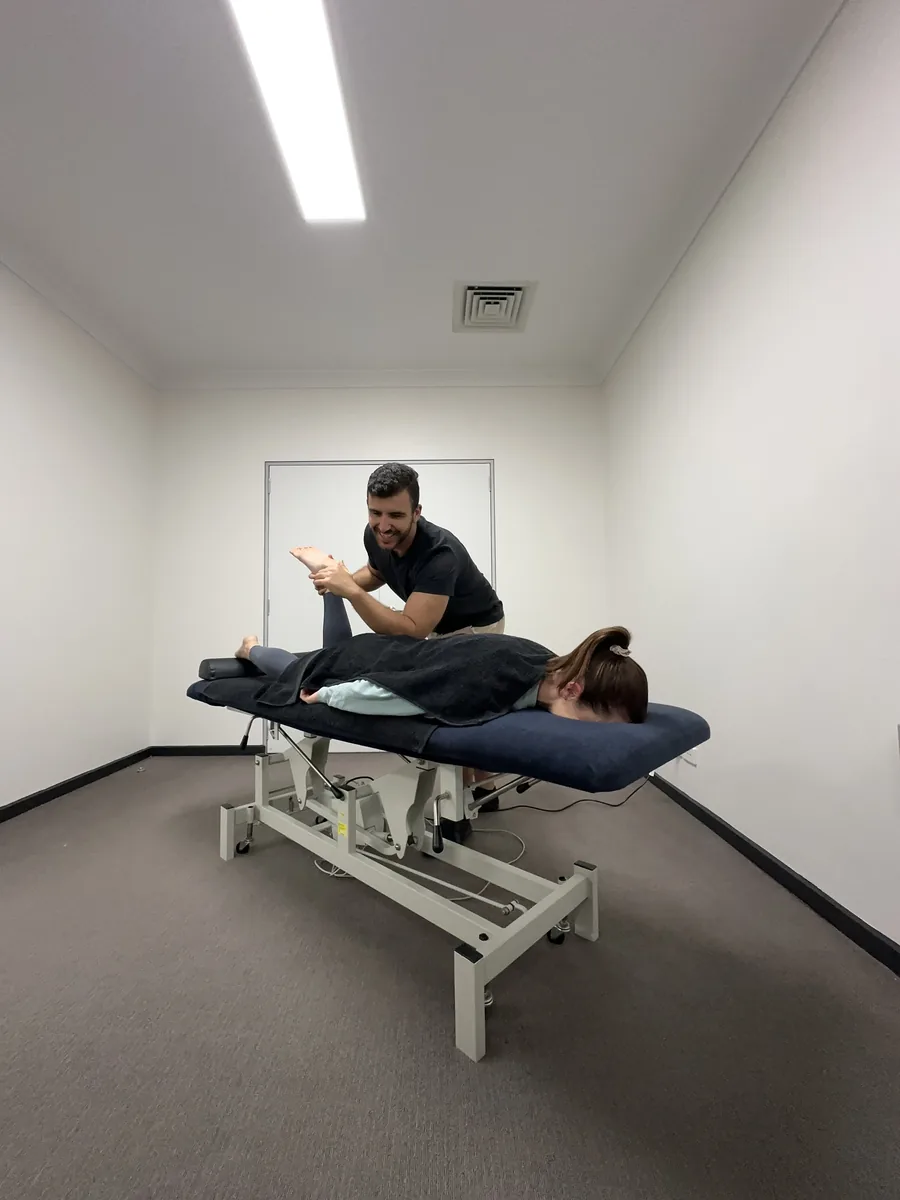
We assess the foot, ankle and lower back to confirm where symptoms are coming from, advise on footwear and padding, treat the foot and calf hands-on, and work with podiatrists and GPs where orthoses, injections or imaging are needed.
When should I see a doctor?
See a doctor for numbness in both feet, a foot wound or colour change if you have diabetes, a hot, red, swollen foot, or pain after an injury with swelling and difficulty walking.
See our foot pain guide. Book an assessment at our Berwick clinic. A 60-minute initial consultation is $149, with no referral needed and HICAPS on-site.
Sources
Matthews BG, et al. Treatments for Morton's neuroma. Cochrane Database of Systematic Reviews, 2024.
Book an initial consultation at RISE Sports & Spinal in Berwick. Clear diagnosis, hands-on treatment, and a plan that actually gets you better.
Related articles