Pain on top of the foot: causes and what helps
Pain on the top of the foot is common in runners, walkers and people on their feet all day. Most cases are irritated tendons or joints that settle with simple changes. A smaller number are bone stress injuries, which need to be picked up early.
What causes pain on top of the foot?
The most common causes are irritation of the tendons that lift the toes (extensor tendinopathy), pressure from tight laces or shoes, arthritis or stiffness in the midfoot joints, and bone stress injuries of the metatarsals or the navicular bone. Less often, a nerve on top of the foot is compressed, or pain is referred from the ankle or lower back.
What is extensor tendinopathy?
The extensor tendons run across the top of the foot to the toes. They can become irritated by tight lacing, a sudden increase in running or walking, lots of uphill running, or tight calves that make these muscles work harder. The pain is spread along the top of the foot, is tender to touch, and is worse when you lift your toes against resistance.
Could my laces or shoes be the cause?
Often. Laces tied tightly over the top of the foot press on the tendons and a small nerve. Try loosening them, skipping the eyelet over the sore spot, or a different lacing pattern. Shoes that are too small, too narrow, or stiff across the top can do the same.
How do I know if it's a stress fracture?
Bone stress injuries cause pain that's focused on one spot, hurts to press on the bone, builds during activity, and may ache afterwards or at night. There may be mild swelling. A review describes a continuum from a stress reaction to a stress fracture when loading continues, and notes these injuries are a particular concern in runners because they tend to recur (Warden et al., JOSPT, 2014).
Which foot stress fractures are most concerning?
Stress fractures of the navicular, a bone at the top of the arch, and of the base of the fifth and second metatarsals are considered higher risk because they heal slowly. Pain on top of the midfoot in a runner or jumping athlete that doesn't settle within a week or two should be assessed, and usually needs imaging. X-rays are often normal early on; MRI is more sensitive.
What does midfoot arthritis feel like?
Aching and stiffness across the top of the midfoot, often worse first thing in the morning or after long periods on your feet, sometimes with a bony bump on top of the foot that rubs on shoes. It's more common from middle age and after old foot injuries.
Why does the top of my foot hurt when I walk?
With each step, the midfoot joints are loaded and the extensor tendons work to control the foot. Any of the causes above can make walking painful. Pain that's worst at push-off points more towards the joints or bones; pain when lifting the foot and toes points more towards the tendons.
Can a nerve cause pain or numbness on top of the foot?
Yes. A nerve running over the top of the foot can be compressed by tight shoes or laces, causing burning, tingling or numbness towards the toes. Loosening footwear usually helps. Numbness that persists, or comes with back pain or weakness, should be checked.
What helps pain on top of the foot?
Loosen or re-lace your shoes, and check they fit. Reduce the activity that provokes it for a week or two; swap some running for cycling or swimming. Ice can ease tendon pain after activity. Calf stretching and strengthening, and foot and ankle strengthening, help the tendons cope.
Can I keep running?
With tendon irritation, often yes, at reduced volume on flat ground, as long as pain stays mild and settles quickly. If a bone stress injury is suspected, stop running until it has been assessed.
What exercises help?
Calf raises, towel scrunches and toe spreading for the small foot muscles, resisted ankle and toe lifts with a band, and calf stretches. Build up gradually.
Could it be gout?
Gout causes sudden, severe pain with redness, heat and swelling, most often at the big toe but sometimes in the midfoot. It comes on over hours, often at night, and needs a GP.
How can an osteopath help?
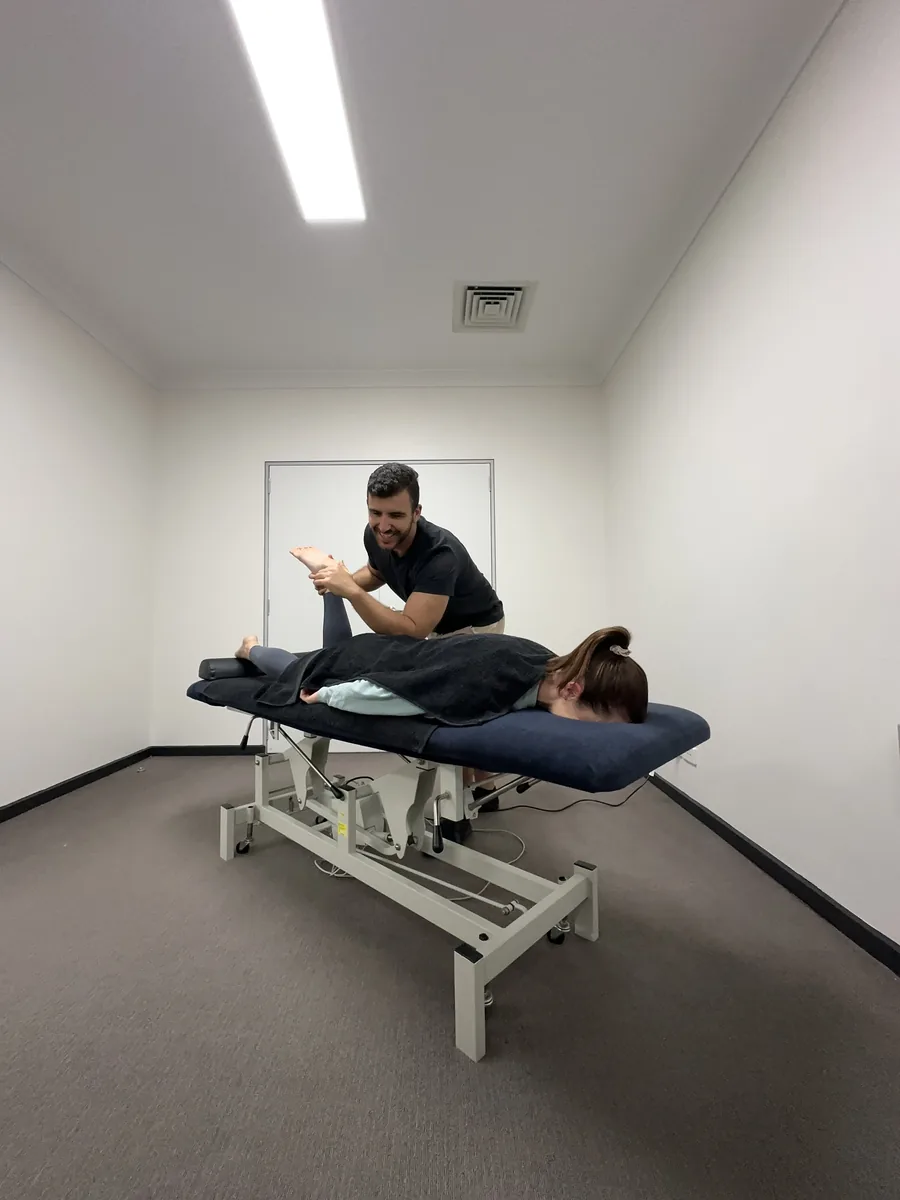
We examine the foot, ankle and calf to identify the source, refer you for imaging when a bone stress injury is possible, treat hands-on, and plan your return to walking and running. For footwear and orthotic questions, we may suggest a podiatrist.
When should it be checked urgently?
See a doctor promptly for pain after a fall or heavy object landing on the foot, inability to bear weight, significant swelling or bruising, a hot, red, swollen foot, or any foot wound or pain if you have diabetes.
See our posts on forefoot pain and stress fractures and nutrition, or our foot pain guide. Book an assessment at our Berwick clinic. A 60-minute initial consultation is $149, with no referral needed and HICAPS on-site.
Sources
Book an initial consultation at RISE Sports & Spinal in Berwick. Clear diagnosis, hands-on treatment, and a plan that actually gets you better.
Related articles