Pain on the outside of the foot: peroneal tendons and more
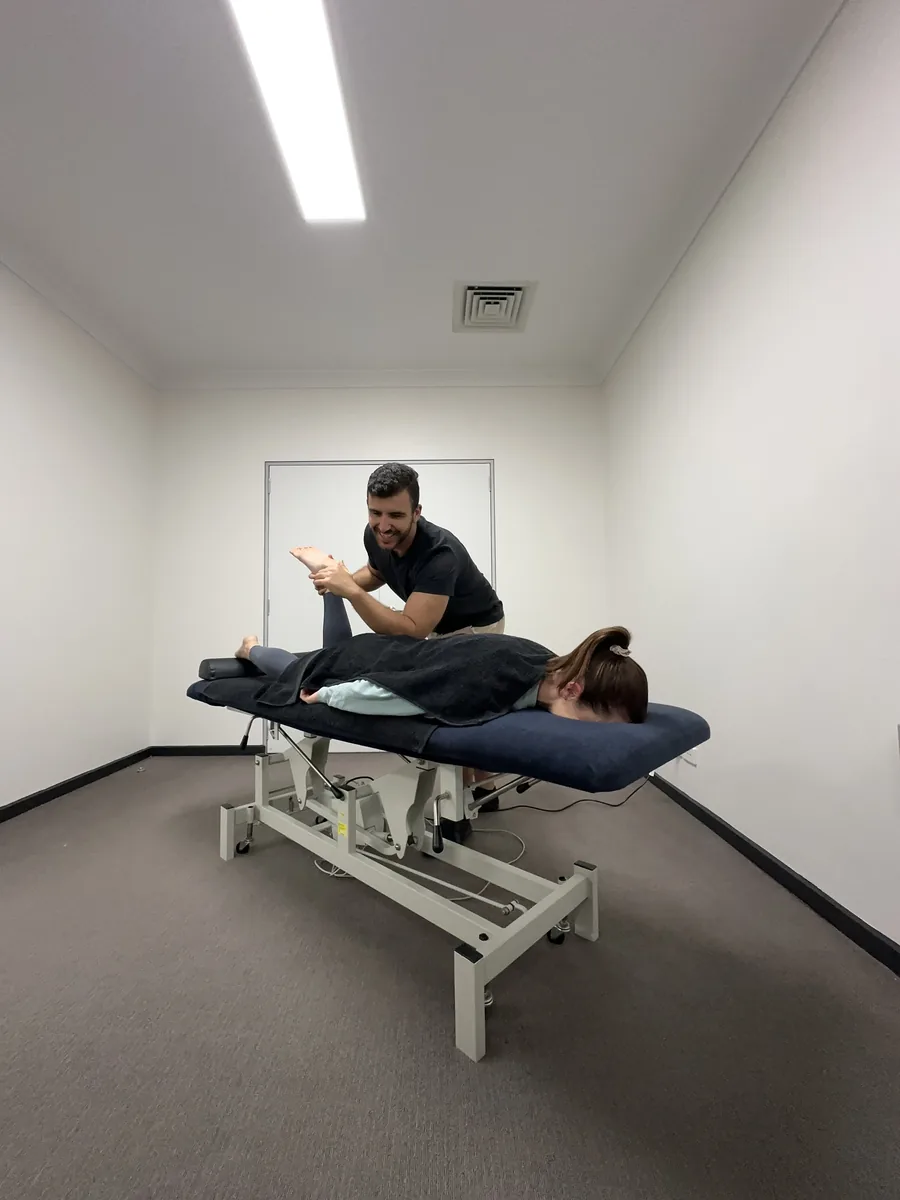
Pain along the outer edge of the foot or behind the outer ankle bone is common in runners, walkers and anyone who has rolled an ankle. The peroneal tendons are the usual source, but a few other causes are worth ruling out.
What causes pain on the outside of the foot?
The most common causes are peroneal tendon irritation, a stress fracture of the fifth metatarsal (the long bone on the outer edge of the foot), lingering problems after an ankle sprain, and irritation of the joint just below the ankle. Footwear that tips the foot outwards can contribute to all of them.
What are the peroneal tendons?
Two tendons that run down the outside of the lower leg, hook behind the outer ankle bone and attach to the outer and under side of the foot. They turn the foot outwards and stabilise the ankle against rolling. A review describes peroneal tendon disorders as an under-recognised cause of outer ankle and foot pain, ranging from tendon irritation to tears and the tendons slipping out of their groove (Davda et al., EFORT Open Reviews, 2017).
What does peroneal tendon pain feel like?
Aching or sharp pain behind or below the outer ankle bone, sometimes running along the outer edge of the foot to the base of the fifth metatarsal. It's worse with walking or running on uneven or sloped surfaces, pushing off, and turning the foot outwards against resistance. There may be mild swelling behind the ankle bone.
What causes peroneal tendon problems?
A sudden increase in running or walking, lots of running on cambered roads or trails, worn shoes, high arches, and previous ankle sprains that have left the ankle less stable, so the tendons work harder to hold it. They can also be injured during a sprain itself.
How is it treated?
By reducing the load for a period and then strengthening. That means cutting back running volume, avoiding sloped and uneven surfaces for a few weeks, checking footwear, and starting progressive exercises. A short period in a supportive brace or boot is sometimes used for more irritable cases.
What exercises help?
Turning the foot outwards against a resistance band, calf raises (progressing to single-leg), single-leg balance, and later hopping and side-to-side drills. Strengthening the calf and the small muscles of the foot supports the tendons.
Can you run with peroneal tendonitis?
Often, with changes. If pain is mild, stays stable during a run and settles within a day, you can usually continue at reduced volume on flat, even surfaces. If it's worsening, you're limping, or there's pain at rest, stop running and get it assessed. Cycling and swimming maintain fitness in the meantime.
How do I know if it's a stress fracture?
Pain focused on one spot of the bone on the outer edge of the foot, tender to press, building with activity and aching afterwards, suggests a bone stress injury. Stress fractures at the base of the fifth metatarsal are considered higher risk because they heal slowly, and need imaging and medical management.
See our post on stress fractures.
Could it be from an old ankle sprain?
Yes. After a sprain, the ankle can remain weak or unstable, the peroneal tendons can be irritated, and the joint below the ankle can stay inflamed. Outer foot and ankle pain that persists for more than a few weeks after a sprain should be assessed.
See our post on ankle sprains and instability.
What about a snapping feeling behind the ankle?
A snapping or flicking sensation behind the outer ankle bone, especially after a sprain, can mean the tendons are slipping out of their groove. This needs a specialist opinion.
Do shoes or orthotics matter?
Shoes worn down on the outer edge tip the foot outwards and load these tendons, so replace worn pairs. People with high arches sometimes benefit from footwear advice or an insert; a podiatrist can assess this.
How long does it take to heal?
Mild tendon irritation often settles in four to six weeks. Longer-standing tendon problems commonly take two to three months of progressive loading.
Why does it hurt more on uneven ground?
On slopes and rough surfaces the peroneal tendons work constantly to stop the ankle rolling. Flat, even ground lets them settle, which is why switching to a track, treadmill or footpath for a few weeks often helps.
How can an osteopath help?
We examine the foot and ankle, test ankle stability and the tendons, refer for imaging when a fracture or tear is possible, treat hands-on, and guide strengthening and your return to running.
When should it be checked urgently?
See a doctor promptly after an injury if you can't take four steps, there's significant swelling or bruising, or pain directly over the bone on the outer edge of the foot.
See our post on pain on top of the foot and our foot pain guide. Book an assessment at our Berwick clinic. A 60-minute initial consultation is $149, with no referral needed and HICAPS on-site.
Sources
Davda K, et al. Peroneal tendon disorders. EFORT Open Reviews, 2017.
Book an initial consultation at RISE Sports & Spinal in Berwick. Clear diagnosis, hands-on treatment, and a plan that actually gets you better.
Related articles