Do you need to stretch? Mobility, flexibility and what works
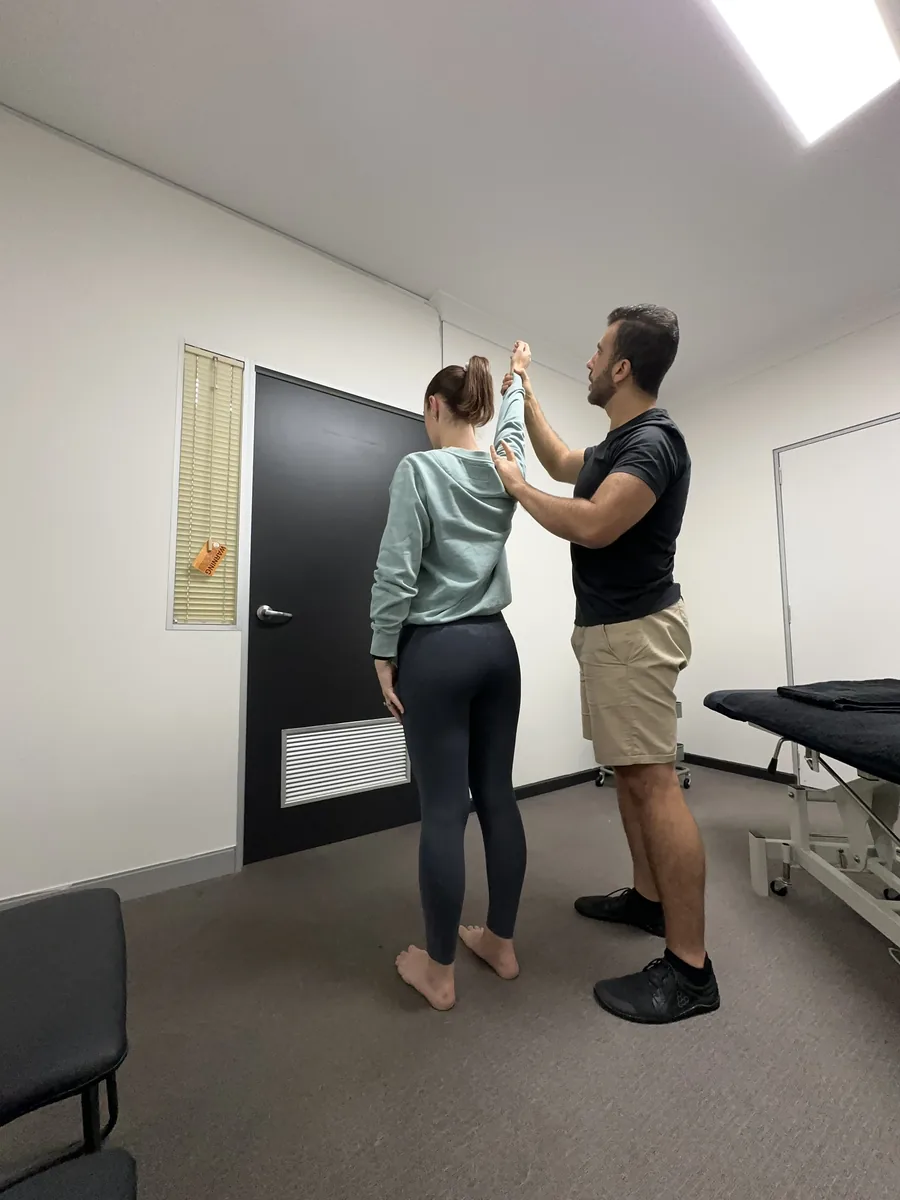
Stretching is probably the most recommended and least understood part of exercise. Many people feel guilty for not doing it. The research suggests it's useful for some things and overrated for others.
What's the difference between flexibility and mobility?
Flexibility is how far a muscle or joint can be moved passively, for example by pulling your leg up with your hands. Mobility is how far you can move a joint under your own control and with strength. For sport and daily life, mobility, usable range, is what matters most.
Does stretching prevent injuries?
Not on its own. A meta-analysis of 25 trials with more than 26,000 participants found no protective effect of stretching on sports injuries, while strength training reduced injuries to less than a third (Lauersen et al., British Journal of Sports Medicine, 2014). A separate review found static stretching had no clear effect on all-cause or overuse injuries (Behm et al., Applied Physiology, Nutrition, and Metabolism, 2016).
Does stretching before exercise hurt performance?
It depends on how long you hold it. The same review found static stretches held for 60 seconds or more per muscle caused a small drop in performance straight afterwards (about 4.6%), while shorter stretches had a much smaller effect (about 1.1%). When stretching was followed by dynamic warm-up activity, there was no clear effect. Dynamic stretching, moving through range, produced small improvements.
So should I stretch before training?
A dynamic warm-up that rehearses what you're about to do is the better choice: leg swings, lunges, arm circles, lighter sets or easy running. If you like a short static stretch for a tight area, keep it under 30 seconds and follow it with movement.
See our post on warming up and cooling down.
Does stretching improve flexibility?
Yes. Regular stretching increases range of motion. Interestingly, so does strength training: a meta-analysis found no significant difference between strength training and stretching for improving range of motion (Afonso et al., Healthcare, 2021). Lifting through a full range, such as deep squats, Romanian deadlifts and overhead work, builds flexibility and strength together.
Does stretching reduce muscle soreness?
Very little. Stretching before or after exercise doesn't meaningfully reduce soreness in the following days. It may feel good, which is a fine reason to do it.
Who benefits most from stretching?
People whose sport needs a lot of range, such as dancers, gymnasts, martial artists and grapplers, and people who are missing range they need for a task, for example ankle mobility for squatting or shoulder range for overhead lifting. If you already have enough range for what you do, more stretching adds little.
Can you be too flexible?
Yes. Very mobile people often need strength and control more than extra range, and stretching already loose joints can make them feel worse.
See our post on hypermobility and end-range injuries.
How long and how often should I stretch?
To build range, hold each stretch for about 30 seconds, repeat two to four times, most days of the week. It should feel like a firm pull, not pain. Gains appear over several weeks and fade if you stop.
Why do my muscles always feel tight?
Tightness is a sensation, and it doesn't always mean a muscle is short. Fatigue, weakness, a sensitive nerve or an irritated joint nearby can all make a muscle feel tight. If stretching gives relief for only a few minutes, something else is probably driving it.
See our post on tight hamstrings and lower back pain.
When should I avoid stretching?
Avoid stretching a fresh muscle strain in the first few days, and avoid stretches that compress an irritated tendon, such as hamstring stretches for sit-bone pain or cross-body stretches for outer hip pain. Stop any stretch that causes pins and needles or numbness.
What about yoga and mobility classes?
They're good for range, body awareness and relaxation, and many people enjoy them. They complement strength training rather than replace it.
Is it worth stretching as I get older?
Range of motion tends to reduce with age, mostly because we use less of it. Regular movement through a full range, strength training and some stretching for stiff areas all help maintain it. Balance and strength matter more than touching your toes.
Should I stretch after training?
If you enjoy it, yes. A few minutes of gentle stretching after a session is a pleasant way to wind down and a convenient time to work on range, because your muscles are warm. It won't prevent soreness or injury, so there's no need to feel guilty if you skip it.
How can an osteopath help?
We work out whether a tight or restricted area is a muscle, joint, nerve or strength problem, treat it hands-on where that helps, and give you the right mix of mobility and strengthening for your sport.
See our training hub and our post on foam rollers and massage guns. Book an assessment at our Berwick clinic. A 60-minute initial consultation is $149, with no referral needed and HICAPS on-site.
Sources
Book an initial consultation at RISE Sports & Spinal in Berwick. Clear diagnosis, hands-on treatment, and a plan that actually gets you better.
Related articles