Foam rollers and massage guns: do they actually work?
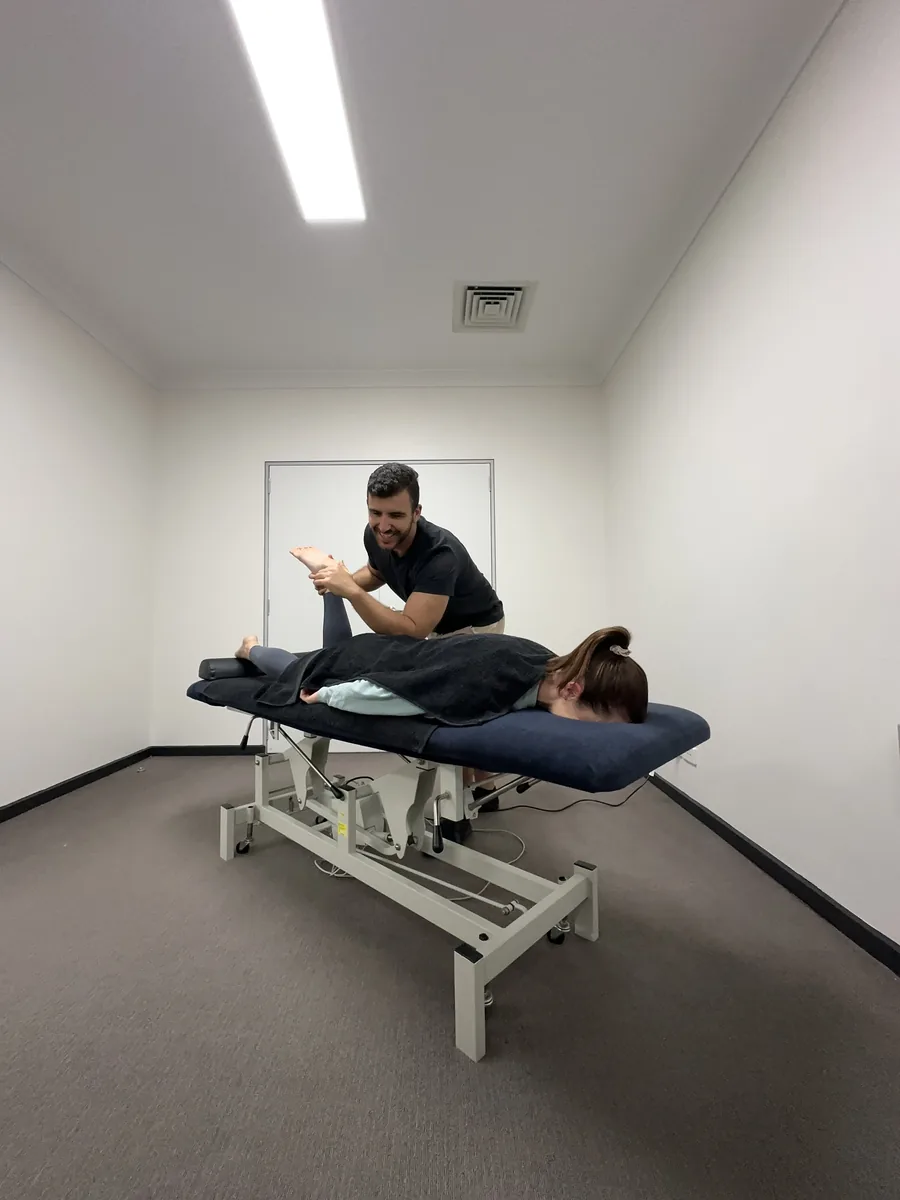
Foam rollers and massage guns are everywhere in gyms, and Steven is asked about them most weeks. Do they work, or are they just an expensive way to feel busy? The honest answer is somewhere in between.
Does foam rolling work?
A little. A meta-analysis of 21 studies found that foam rolling before exercise gave a small short-term improvement in flexibility (around 4%) and sprint performance, with negligible effects on jumping and strength. Rolling after exercise slightly reduced the sensation of muscle soreness and slightly lessened the drop in sprint and strength performance. The authors concluded the effects are rather minor and partly negligible, but can be relevant in some cases (Wiewelhove et al., Frontiers in Physiology, 2019).
Do massage guns work?
The research is newer and lower quality, but points the same way. A systematic review of 13 studies found a single session with a massage gun produced short-term increases in flexibility and muscle strength measures, and repeated sessions reduced musculoskeletal pain, while noting all the studies had limitations (Sams et al., International Journal of Sports Physical Therapy, 2023).
How do foam rollers and massage guns work?
Probably not the way they're marketed. They don't break up scar tissue, 'release' fascia or flush out toxins. The more likely explanation is that pressure and vibration temporarily change how sensitive the area is and how much tension your nervous system holds in the muscle. That's why the effects are quick to appear and short-lived.
Do they help muscle soreness after training?
They can take the edge off soreness for a while, which may make it easier to move and train the next day. They don't speed up the actual repair of the muscle. Sleep, nutrition and sensible training loads matter far more for recovery.
See our post on muscle soreness versus injury.
Should I foam roll before or after training?
Either is fine. Before training, a minute or so per area as part of a warm-up can help you feel looser without reducing strength, which static stretching sometimes does. After training, or on rest days, it may ease soreness. It shouldn't replace warming up with the movements you're about to do.
How long should I foam roll or use a massage gun?
About 30 to 90 seconds per muscle group is plenty. More pressure and more pain don't mean more benefit; aim for firm but tolerable. With a massage gun, keep it moving and on the muscle rather than on bone.
Where should I not use a massage gun?
Avoid the front and sides of the neck, directly over the spine, joints and bony areas, the abdomen, and any area with numbness. Don't use it over a recent injury, bruise or swelling, varicose veins, or a calf that's swollen, warm and painful, which needs a doctor. Check with your GP first if you take blood thinners, have a bleeding disorder, or are pregnant.
Is foam rolling the ITB a good idea?
The ITB is a thick band of connective tissue that can't be meaningfully lengthened by rolling, and rolling directly over a sore outer knee or hip can irritate it. Rolling the muscles around it, such as the quads and glutes, and strengthening the hips, tends to be more useful.
Are they worth buying?
If you enjoy using one and it helps you feel ready to move, a foam roller is cheap and worthwhile. A massage gun does a similar job with more convenience at a higher price. Neither is essential, and neither fixes an injury.
Is foam rolling better than stretching?
They do slightly different jobs. Both can increase flexibility in the short term. Foam rolling doesn't seem to reduce strength or power before training, which long static stretches sometimes do. For lasting changes in flexibility and resilience, strength training through a full range of movement is more effective than either.
Can foam rolling help back pain?
Rolling the muscles of the upper back, glutes and hips can feel good and may ease stiffness for a while. Avoid rolling directly on the lower back with a hard roller, which many people find uncomfortable. For ongoing back pain, movement and strengthening are more useful than rolling alone.
Is it normal for foam rolling to hurt?
Some discomfort is normal, particularly on the quads, calves and outer thigh. It should feel like firm pressure that eases as you stay on it, not sharp or burning pain. Bruising afterwards means you've pressed too hard.
When should I see someone instead?
If you're rolling the same sore spot week after week, the roller isn't addressing the cause. Book in for pain that isn't improving after a couple of weeks, keeps coming back, or comes with pins and needles, numbness or weakness.
See our post on muscle knots. Book an assessment at our Berwick clinic. A 60-minute initial consultation is $149, with no referral needed and HICAPS on-site.
Sources
Book an initial consultation at RISE Sports & Spinal in Berwick. Clear diagnosis, hands-on treatment, and a plan that actually gets you better.
Related articles