Muscle cramps: causes, what helps and what doesn't
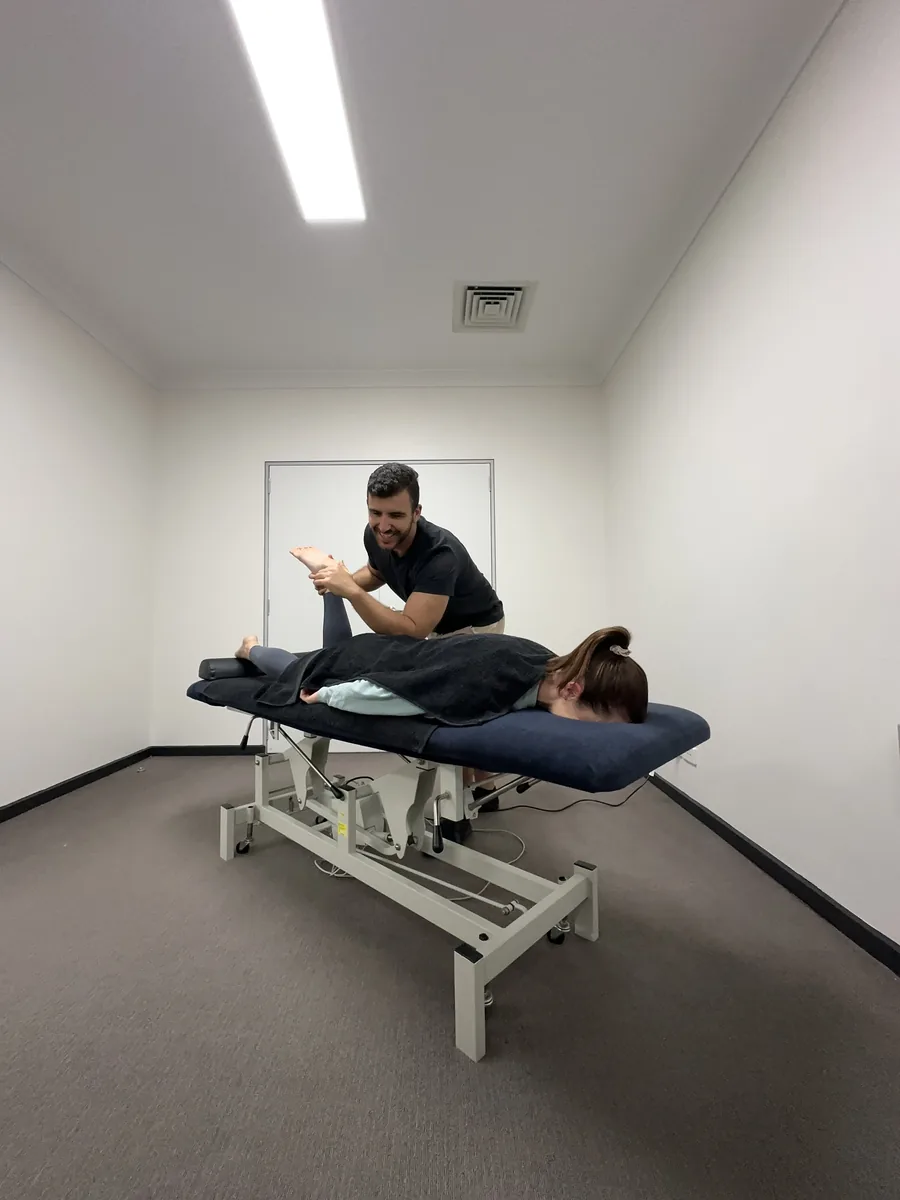
A muscle cramp is a sudden, involuntary, painful contraction of a muscle that can last from seconds to several minutes. Almost everyone gets them at some point: in the calf at night, in the hamstring late in a game, or in the foot while swimming. They're usually harmless, but they're unpleasant.
What causes muscle cramps?
There's no single cause. Night cramps become more common with age and are associated with pregnancy, some medications, and long periods of sitting or standing. Exercise-related cramps are most strongly linked with muscle fatigue: working harder or longer than you're conditioned for, especially late in a game or in the heat. Dehydration and electrolyte loss are commonly blamed, but the evidence for them is weaker than most people assume.
Why do I get calf cramps at night?
Night cramps tend to strike when the calf is in a shortened position, with the toes pointed, as happens under bedclothes. Tight calves, long days on your feet, and reduced activity are common contributors. In many people no specific cause is found.
How do I stop a cramp quickly?
Stretch the cramping muscle and hold it. For a calf cramp, straighten your knee and pull your toes towards your shin, or stand and press your heel to the floor. For a hamstring cramp, straighten the knee and lean forward gently. Massage and walking around can help once it starts to release. The muscle may feel tender for a day or so afterwards.
Does magnesium help muscle cramps?
Probably not for most people. A Cochrane review concluded that magnesium supplements are unlikely to provide a meaningful benefit for older adults with muscle cramps. For cramps in pregnancy the evidence was conflicting, and there were no trials on exercise-related cramps (Garrison et al., Cochrane, 2020). If you're considering supplements, talk to your pharmacist or GP first, particularly in pregnancy or if you have kidney problems.
Does stretching prevent cramps?
It might help, but the evidence is limited. A Cochrane review of non-drug treatments found there wasn't enough good-quality evidence to guide decisions (Blyton et al., Cochrane, 2012). Calf and hamstring stretches before bed are low-risk and worth trying for a few weeks to see whether they reduce your night cramps.
How can I prevent cramps during sport?
Build fitness gradually so your muscles are conditioned for the demands of your sport, including the intensity of games, not just training. Pace yourself, especially in heat. Drink to thirst and eat normally before and during long events. Strengthening the muscles that tend to cramp, often the calves and hamstrings, can help. If cramps strike in competition, stretching the muscle is the quickest fix.
Do pickle juice or sports drinks work?
Some athletes find a small amount of pickle juice or a strong-tasting drink shortens a cramp, possibly through a reflex triggered in the mouth and throat rather than by replacing salt. The research is limited. Sports drinks are useful for fuelling long sessions, but they aren't a reliable way of preventing cramps.
Can medications cause cramps?
Yes. Some medicines, including certain diuretics (fluid tablets), cholesterol and asthma medications, are associated with cramps. Don't stop a prescribed medicine; ask your GP or pharmacist whether it could be contributing.
Is it a cramp or a muscle strain?
A cramp is a sudden tight knotting of the muscle that eases with stretching and leaves little more than tenderness. A strain usually happens with a specific movement, hurts when you contract or stretch the muscle afterwards, and may bruise. Pain that persists for days after a 'cramp' during sport may be a strain.
See our post on calf strains.
Can an osteopath help with cramps?
Where cramps are linked with tight, overworked or weak muscles, we can help with hands-on treatment, a stretching and strengthening plan, and advice on training load. If your cramps suggest a medical cause, we'll refer you to your GP.
Why do I get cramps in pregnancy?
Leg cramps are common in the second half of pregnancy, particularly at night. The cause isn't fully understood. Calf stretches before bed, staying active and changing position regularly are reasonable first steps. Check with your midwife or GP before taking any supplements.
Why do my feet and toes cramp?
Foot and toe cramps often follow long periods in tight or unsupportive shoes, a lot of time on your feet, or pointing the toes, as in swimming. Stretching the toes back towards the shin, massaging the arch and strengthening the small foot muscles usually help.
When should cramps be checked by a doctor?
See your GP for cramps that are frequent, severe or disturbing your sleep, cramps with muscle weakness, numbness or wasting, or cramps that started with a new medication. Seek same-day care for a calf that's swollen, warm, red and painful, which can be a blood clot. Calf pain that comes on with walking and eases with rest should be checked for circulation problems.
See our muscular strains page. Book an assessment at our Berwick clinic. A 60-minute initial consultation is $149, with no referral needed and HICAPS on-site.
Sources
Book an initial consultation at RISE Sports & Spinal in Berwick. Clear diagnosis, hands-on treatment, and a plan that actually gets you better.
Related articles