Shin pain that isn't shin splints: other causes to know
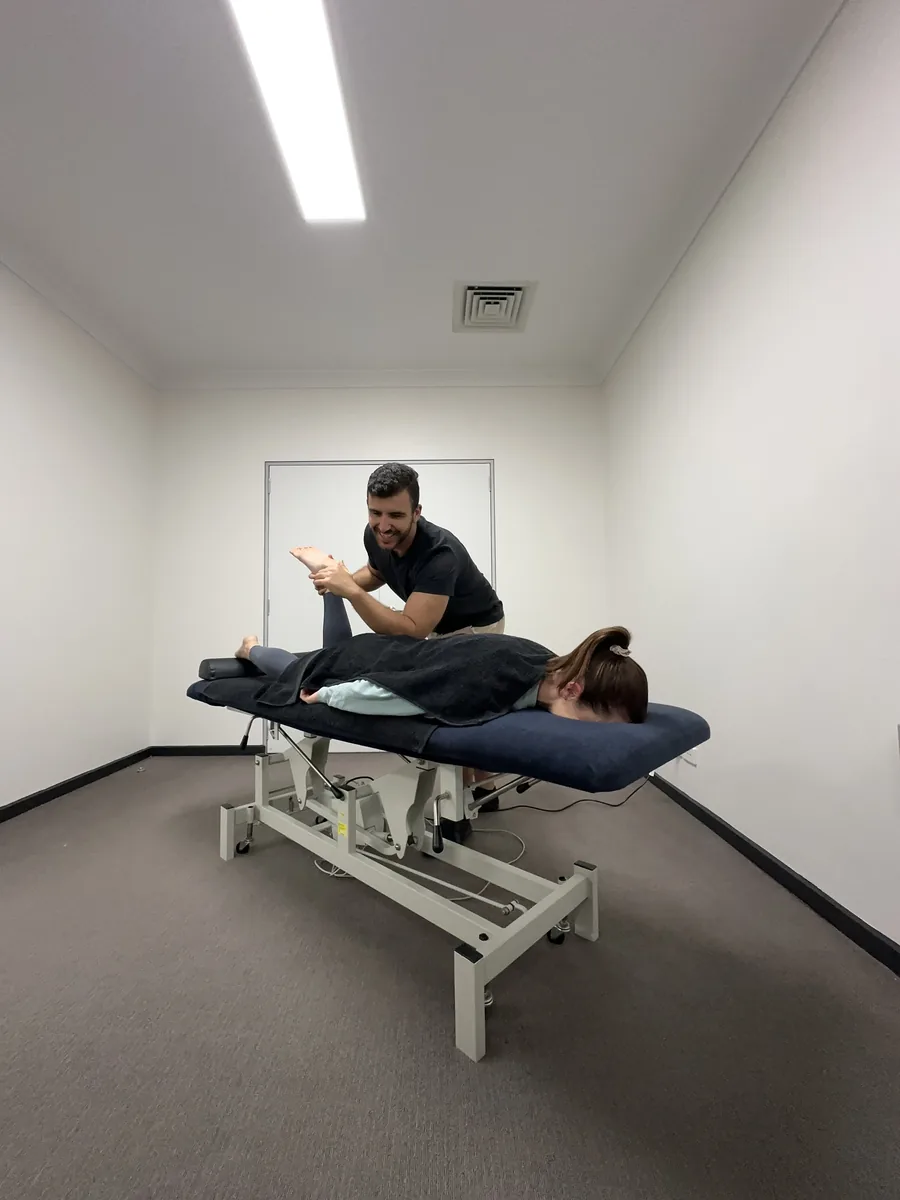
Most exercise-related shin pain is medial tibial stress syndrome, commonly called shin splints. But when shin pain doesn't behave like shin splints, two other causes need to be considered: a bone stress injury and chronic exertional compartment syndrome.
How is shin splints pain different?
Shin splints usually cause a diffuse ache along the inner edge of the shinbone, over several centimetres, that's sore at the start of a run, often eases as you warm up, and aches afterwards. It's tender along a strip of the bone rather than one spot.
See our post on shin splints.
What does a tibial stress fracture feel like?
Pain that's focused on one spot of the bone, sharply tender to press with a fingertip, and gets worse the more you run rather than warming up. It may hurt with walking, hopping on that leg, or at night. A review of bone stress injuries in runners describes a continuum from stress reaction to stress fracture and, if loading continues, a complete fracture (Warden et al., JOSPT, 2014).
What should I do if I think it's a stress fracture?
Stop running and see a doctor or sports physician. X-rays are often normal early; MRI is more sensitive. Treatment usually involves a period of reduced load, sometimes a boot or crutches, then a gradual return to running. Fractures on the front of the shinbone heal more slowly and need specialist care.
What is chronic exertional compartment syndrome?
The muscles of the lower leg sit in compartments enclosed by tough tissue. In exertional compartment syndrome, pressure in a compartment rises during exercise, causing tightness, aching or burning that builds predictably at a certain point in a run and settles within minutes of stopping. There may be numbness or weakness in the foot during exercise. A recent review describes this characteristic pattern, with clinical history central to diagnosis (Vogels et al., British Medical Bulletin, 2026).
How is compartment syndrome different from shin splints?
Compartment syndrome pain is a tight, cramping or burning pressure that comes on at a consistent time or distance, often in both legs, and disappears soon after stopping. Shin splints pain is felt on the bone, lingers after exercise and is tender to touch.
How is exertional compartment syndrome treated?
The review notes that structured rehabilitation with activity modification and running gait changes is increasingly considered first-line treatment, with surgery for people who still have typical symptoms after conservative care. Diagnosis may involve measuring pressure in the compartment during exercise.
What gait changes can help?
For some runners, landing with a shorter stride and higher step rate, or shifting from a heavy forefoot landing, reduces load on the front of the shin. Changes should be made gradually with guidance.
What causes these problems?
Rapid increases in training volume or intensity are the most common trigger for bone stress injuries. Low energy intake, low vitamin D, previous stress fractures, and in women, irregular periods increase risk.
See our posts on vitamin D and stress fractures and under-fuelling in athletes.
When is shin pain an emergency?
Severe, worsening pain and tightness in the lower leg after an injury or a very hard session that doesn't settle with rest, especially with numbness or pain when moving the toes, can be acute compartment syndrome, a surgical emergency. Go to an emergency department. Calf swelling, warmth and redness need same-day care to rule out a clot.
How long do these take to recover?
Tibial stress fractures commonly take six to twelve weeks before a graded return to running, longer for high-risk sites. Exertional compartment syndrome managed conservatively may take several months of gradual change.
Can I keep training?
With a suspected stress fracture, stop running until assessed. Cycling, swimming or pool running may be possible if they're pain-free. With exertional compartment syndrome, stay below the distance or pace that triggers symptoms while working on gait and strength.
How are these diagnosed?
Stress fractures are confirmed with imaging, usually MRI, because early X-rays often look normal. Exertional compartment syndrome is mainly diagnosed from the story of symptoms during exercise, with pressure testing or MRI in some cases to support the diagnosis and rule out other causes such as nerve or artery entrapment.
How can an osteopath help?
We assess shin pain carefully, recognise when a stress fracture or compartment syndrome is likely and refer for imaging or a specialist opinion, and guide strength work and a graded return to running.
When should shin pain be checked?
Book in for shin pain that isn't settling within a couple of weeks of reduced running. See a doctor promptly for focal bone pain, pain at night or at rest, or pain that makes you limp.
See our post on starting running safely and our training hub. Book an assessment at our Berwick clinic. A 60-minute initial consultation is $149, with no referral needed and HICAPS on-site.
Sources
Book an initial consultation at RISE Sports & Spinal in Berwick. Clear diagnosis, hands-on treatment, and a plan that actually gets you better.
Related articles