Torn Achilles tendon: surgery or not, and recovery time
An Achilles rupture often feels like being kicked in the back of the heel, sometimes with an audible snap, during a sprint, jump or push-off. It's most common in men in their thirties to fifties playing stop-start sports such as basketball, netball, soccer, squash and tennis.
What should I do if I think I've ruptured my Achilles?
Stop, avoid walking on it if you can, and see a doctor or go to an emergency department the same day. Early diagnosis matters, because treatment, whether surgical or in a boot, works best when started promptly.
What are the signs of a ruptured Achilles?
A sudden snap or pop at the back of the ankle, pain and swelling above the heel, a visible or palpable gap in the tendon, weakness pushing off, and being unable to rise onto your toes on that leg. Some people can still walk, flat-footed, which is why ruptures are sometimes missed.
How is it diagnosed?
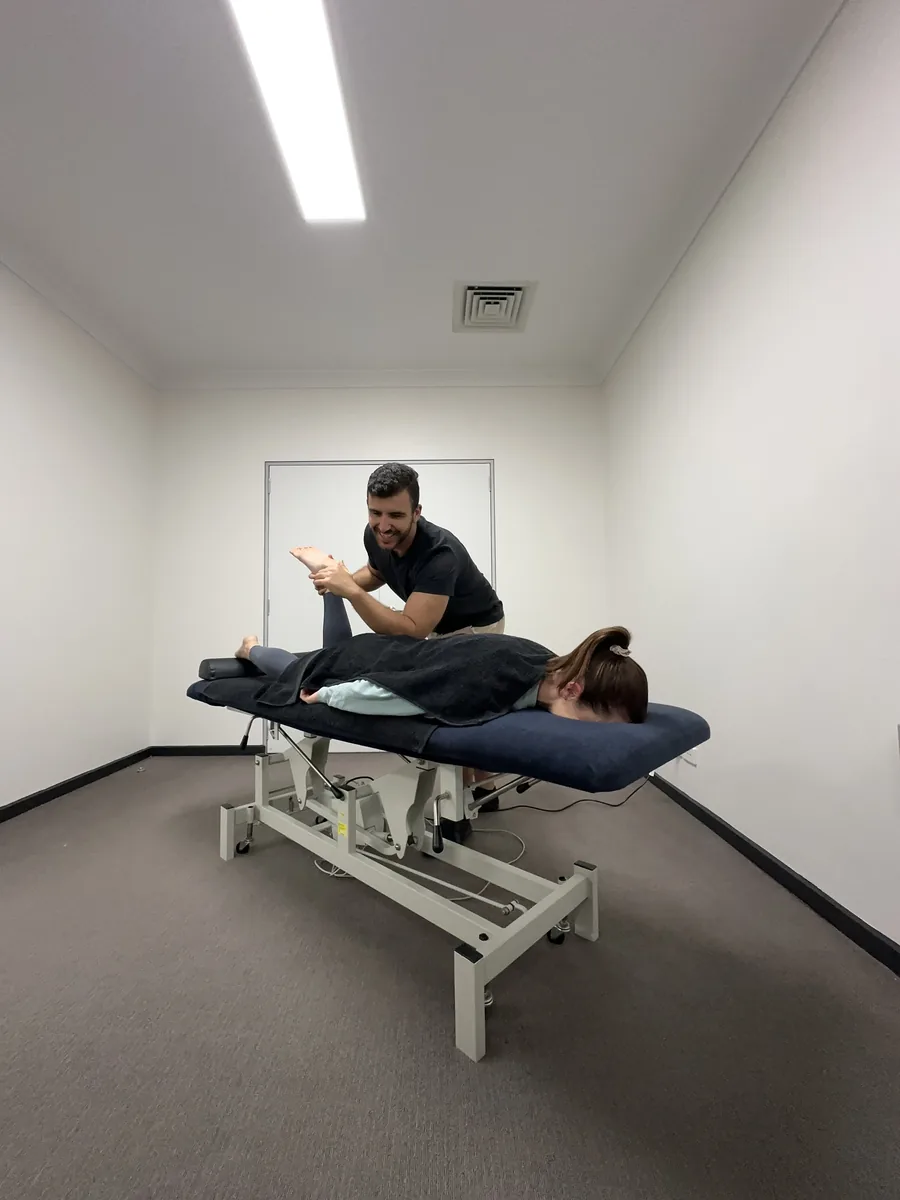
Usually by examination. With you lying face down, squeezing the calf normally makes the foot point; if it doesn't, the tendon has likely ruptured. Ultrasound or MRI may be used if the picture is unclear.
Do I need surgery for a ruptured Achilles?
Not necessarily. In a large randomised trial of 554 patients, non-surgical treatment, open surgery and minimally invasive surgery gave similar results for symptoms and function at 12 months. Re-ruptures were more common without surgery (6.2% compared with 0.6%), while nerve injuries were more common after surgery, particularly minimally invasive surgery (Myhrvold et al., New England Journal of Medicine, 2022).
What does the wider evidence say?
A meta-analysis of 29 studies found surgery reduced the re-rupture rate (2.3% compared with 3.9%), but led to more other complications, mainly infection (4.9% compared with 1.6%). The authors noted both differences were small, and that the choice should be made with the patient (Ochen et al., BMJ, 2019). Surgery may be favoured by some high-level athletes, or when treatment is delayed; non-surgical treatment avoids the risks of an operation.
What does non-surgical treatment involve?
A boot with heel wedges that holds the foot pointed down, so the torn ends sit together, followed by gradual reduction of the wedges over around eight to ten weeks. Early, protected weight-bearing in the boot is now common. A structured rehab program follows.
How long does recovery take?
Walking in a boot for eight to ten weeks, then walking normally over the following weeks. Strength takes much longer to rebuild: running is often around four to six months, and return to sport commonly six to twelve months. Calf strength on the injured side often stays somewhat lower long term, which is why thorough rehab matters.
What does rehab involve?
Restoring ankle movement carefully, without overstretching the healing tendon, then progressive calf strengthening: seated and standing calf raises, building to single-leg raises and weighted work. Later, hopping, running, and sport-specific drills. Avoid aggressive calf stretching in the first few months.
When can I return to sport?
When calf strength and endurance are close to the other leg, typically being able to do 20 or more single-leg calf raises, and you can hop, sprint and change direction confidently. Rushing back increases the risk of re-rupture.
Can a ruptured Achilles be prevented?
Not always, but building calf strength, gradually increasing training load, and addressing ongoing Achilles pain rather than ignoring it may reduce the risk. Some ruptures follow a period of Achilles tendinopathy or corticosteroid injections near the tendon.
See our post on Achilles tendinopathy.
Is it the same as a calf tear?
No. A calf strain affects the muscle higher up, often with a sharp pain mid-calf, and you can usually still rise onto your toes. A rupture is in the tendon just above the heel and causes marked weakness.
See our post on calf strains.
Will my leg ever feel normal again?
Most people return to their usual activities, including sport, though the calf on the injured side often stays slightly smaller and weaker, and the tendon may feel thicker. Persisting with calf strengthening for a year or more after the injury makes the biggest difference.
Can I drive in a boot?
Not if the boot is on your right leg, and it isn't advisable on the left in a manual car. Check with your treating team and insurer.
How can an osteopath help?
We recognise suspected ruptures and refer you urgently for diagnosis and treatment. Afterwards, we guide rehabilitation in line with your surgeon's or treating team's protocol, rebuild calf strength, and plan your return to running and sport.
When is it urgent?
Any suspected Achilles rupture should be seen the same day. Seek urgent care for calf pain with swelling, warmth and redness, which can be a blood clot, a known risk while in a boot.
See our knee and ankle pain guide. Book an assessment at our Berwick clinic. A 60-minute initial consultation is $149, with no referral needed and HICAPS on-site.
Sources
Book an initial consultation at RISE Sports & Spinal in Berwick. Clear diagnosis, hands-on treatment, and a plan that actually gets you better.
Related articles