After a knee replacement: exercises, kneeling and driving
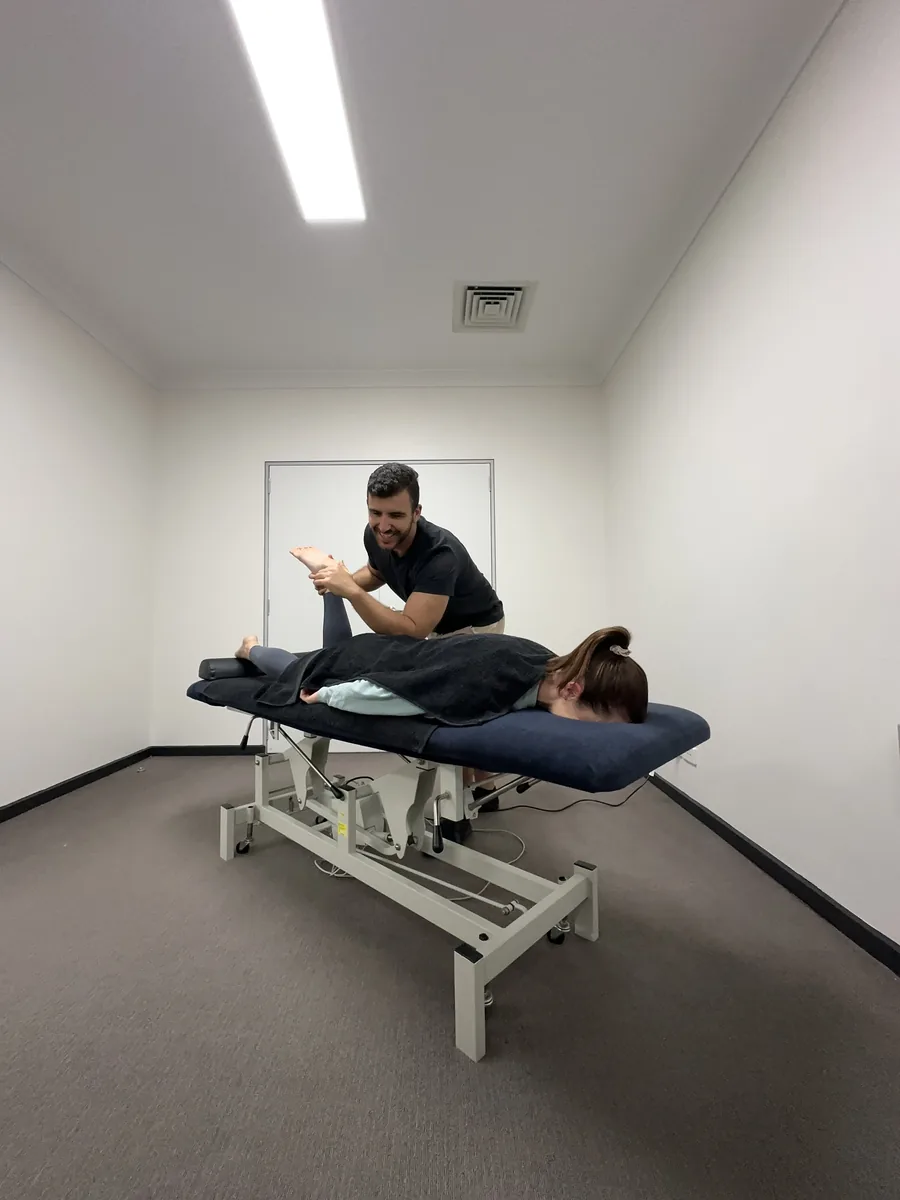
A knee replacement is a big operation, and the months afterwards take patience and work. Knowing what's normal, and what to focus on, makes the recovery less daunting.
This is general information. Your surgeon's and hospital team's instructions for your operation always come first.
How long does recovery take?
Most people walk with a frame or crutches for the first few weeks, move to a stick, and are walking unaided by around six weeks. Everyday activities are easier by three months. The knee continues to improve for up to a year, and some swelling and warmth can persist for several months.
Does exercise after a knee replacement help?
Yes, particularly early on. A meta-analysis of 18 trials found that people who received physiotherapy exercise after a knee replacement had better physical function and less pain at three to four months than those who had minimal physiotherapy. There was no difference between home-based and outpatient programs (Artz et al., BMC Musculoskeletal Disorders, 2015). So doing your exercises consistently matters more than where you do them.
Which exercises are most important?
Two things early on: getting the knee fully straight and getting it to bend. Useful exercises include ankle pumps, tightening the thigh muscle with the knee straight, propping the heel on a rolled towel to let the knee straighten, sliding the heel towards your bottom to bend it, and straight-leg raises. Later come sit-to-stands, mini squats, step-ups, calf raises and balance work.
How much bend should I have?
Your team will set targets. As a general guide, around 90 degrees of bend in the first couple of weeks and 110 to 120 degrees over the following months is typical, which is enough for stairs, getting out of chairs and cycling. Stiffness that isn't improving should be raised with your surgeon early.
How long will it be swollen and warm?
Swelling and warmth are normal for three to six months and sometimes longer. Elevating the leg, ice after exercise and pacing activity help. Swelling that suddenly increases, with redness or fever, needs medical review.
When can I drive?
Commonly around six weeks, once you can bend the knee enough, control the pedals, perform an emergency stop and are off strong pain medication. It depends on which knee was operated on and whether the car is automatic. Check with your surgeon and your insurer.
Can you kneel after a knee replacement?
Many people can, though it often feels uncomfortable or strange, and some choose not to. Kneeling doesn't generally harm the implant once the wound has healed. Ask your surgeon when it's safe to try, start on a soft surface or cushion, and build up gradually.
How should I sleep?
On your back or side, whichever is comfortable. Avoid resting with a pillow under the knee for long periods, as it encourages the knee to stiffen in a bent position; support the heel instead.
When can I return to exercise and sport?
Walking, swimming once the wound has healed, stationary cycling, golf and bowls are commonly resumed between six weeks and three months. High-impact activities such as running and jumping sports are generally discouraged; discuss your goals with your surgeon.
See our post on cycling and knees.
Why does my knee click?
Clicking or clunking from the implant surfaces is common and usually harmless.
Why is the outside of my knee numb?
A patch of numbness to the outer side of the scar is very common, because small skin nerves are cut by the incision. It often shrinks over time but may not disappear.
What about my other joints and my back?
Months of limping before and after surgery often leave the other knee, hips and lower back sore. Regaining a normal walking pattern and overall strength helps these settle.
How do I manage stairs?
Use the handrail. Go up leading with your good leg, and come down leading with the operated leg: 'up with the good, down with the bad'. As strength returns, practise stepping normally.
Is it normal to feel low or frustrated?
Yes. Recovery is tiring, sleep is often disturbed in the first weeks, and progress can feel slow. It usually lifts as pain and sleep improve. Talk to your GP if low mood persists.
How can an osteopath help?
We work alongside your surgeon and physiotherapy program. We can help with knee movement and strength, treat the back, hips and other leg that have been compensating, and guide your return to walking distances and activity.
When should I contact my surgeon or seek urgent care?
Contact your surgeon or GP promptly for increasing redness, heat, swelling or discharge from the wound, fever, or pain that's worsening. Go to an emergency department or call 000 for calf pain and swelling, chest pain or shortness of breath, which can be signs of a blood clot.
See our post on knee osteoarthritis. Book an assessment at our Berwick clinic. A 60-minute initial consultation is $149, with no referral needed and HICAPS on-site.
Sources
Book an initial consultation at RISE Sports & Spinal in Berwick. Clear diagnosis, hands-on treatment, and a plan that actually gets you better.
Related articles