ACL injury: do you need surgery, or can rehab work?
An ACL rupture is one of the most feared injuries in footy, netball, soccer, skiing and grappling sports. Many people assume surgery is automatic. The research shows it's a genuine choice, and that good rehabilitation matters whichever path you take.
What is the ACL?
The anterior cruciate ligament runs through the centre of the knee and helps control forward movement and rotation of the shin bone. It's most often injured without contact: landing from a jump, a sudden change of direction or deceleration, or a twist with the foot planted. In grappling, twisting leg entanglements and heel hooks are a cause.
How do I know if I've torn my ACL?
The classic story is a pop, the knee giving way, swelling within a few hours, and being unable to continue. Afterwards the knee may feel unstable when turning or stepping down. Diagnosis is made by examination and confirmed with an MRI, which also shows any damage to the meniscus, cartilage or other ligaments.
Do I need surgery for a torn ACL?
Not necessarily. A randomised trial in young, active adults compared rehabilitation plus early ACL reconstruction with rehabilitation first and the option of surgery later if needed. At five years, there were no significant differences between the groups in knee function, activity level or osteoarthritis on X-ray. About half of those in the rehab-first group went on to have a reconstruction; the rest managed without (Frobell et al., BMJ, 2013). At 11 years, patient-reported outcomes were still no different between the two strategies (Lohmander et al., NEJM Evidence, 2023).
So who is more likely to need a reconstruction?
People whose knee keeps giving way despite good rehabilitation, those with certain additional injuries such as a repairable meniscus tear, and many who want to return to high-level pivoting sports. The decision is individual, and is best made with a sports physician or orthopaedic surgeon. Starting with rehab doesn't close the door on surgery later; in the trial, outcomes didn't differ between knees reconstructed early or late.
What does rehab involve?
Early on, the aims are to settle swelling, regain full knee straightening and bending, and get the quadriceps working again. Then comes progressive strength work for the quads, hamstrings, glutes and calves, balance and single-leg control, followed by running, jumping and landing, change-of-direction drills, and finally sport-specific training. This applies whether or not you have surgery; pre-surgery rehab also improves recovery afterwards.
How long until I can return to sport?
After a reconstruction, a return to pivoting sport typically takes nine to twelve months, and should be based on strength, hop and movement tests rather than time alone. Going back earlier is associated with a higher risk of re-injury. With rehab alone, return depends on the knee being stable and strong in sport-specific testing, and some people choose to modify their sport.
Will I get arthritis after an ACL injury?
The risk of knee osteoarthritis is higher after an ACL injury, whether or not it's reconstructed. In the trial above, 44% of participants had X-ray signs of osteoarthritis in the injured knee at 11 years. Keeping your thigh muscles strong, staying active and maintaining a healthy weight are the best ways to look after the knee long term.
Can the ACL heal by itself?
It was long believed that it couldn't, but recent research suggests some ACL tears can show healing on MRI with non-surgical management. This is an evolving area, and it's another reason to get individual advice from a specialist rather than assuming one path.
Can I train BJJ or lift with an ACL injury?
Lifting is a core part of rehab and usually continues throughout, with exercises chosen to suit each stage. Grappling involves twisting and unpredictable forces, so a return to rolling is staged and tested carefully, and many people avoid leg entanglements for a long period.
See our post on BJJ knee injuries.
How can ACL injuries be prevented?
Warm-up programs that train landing, cutting and deceleration technique, along with hamstring, hip and trunk strength, are widely used to reduce knee injury risk in team sports, and are particularly valuable for female and junior athletes.
Can an osteopath help with an ACL injury?
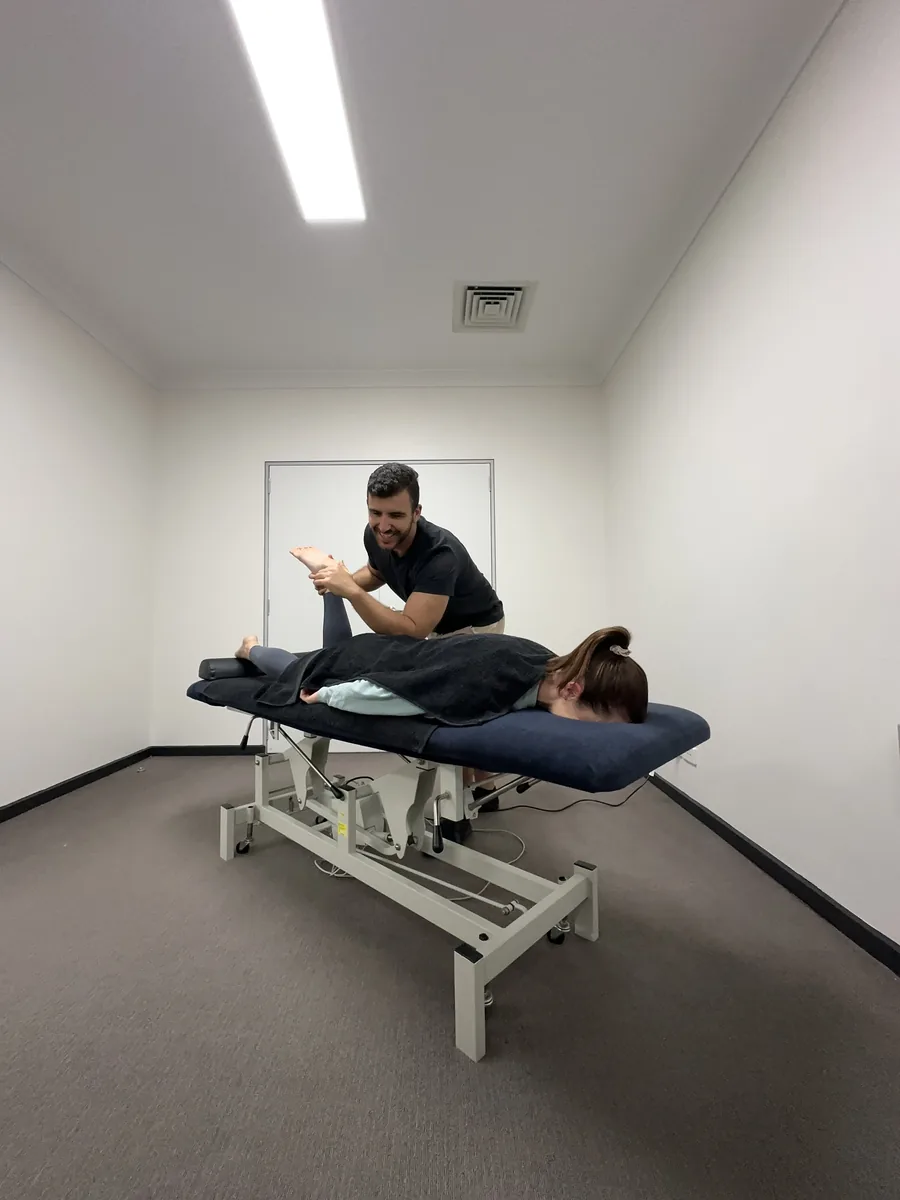
Yes. We assess the knee, arrange imaging and referral to a sports physician or surgeon, and provide rehabilitation before and after surgery, or as the main treatment if you go down the non-surgical path. We work with your surgeon's protocol and your sport's demands.
When should a knee injury be checked urgently?
See a doctor within a day or two for a knee that swelled quickly after an injury, gives way, or can't be fully straightened. Go to an emergency department for a knee that looks deformed, severe pain, or numbness or coldness in the foot.
See our posts on returning to sport after injury and meniscus injuries, or our knee and ankle pain guide. Book an assessment at our Berwick clinic. A 60-minute initial consultation is $149, with no referral needed and HICAPS on-site.
Sources
Book an initial consultation at RISE Sports & Spinal in Berwick. Clear diagnosis, hands-on treatment, and a plan that actually gets you better.
Related articles