Inner ankle pain and a flattening arch: tibialis posterior
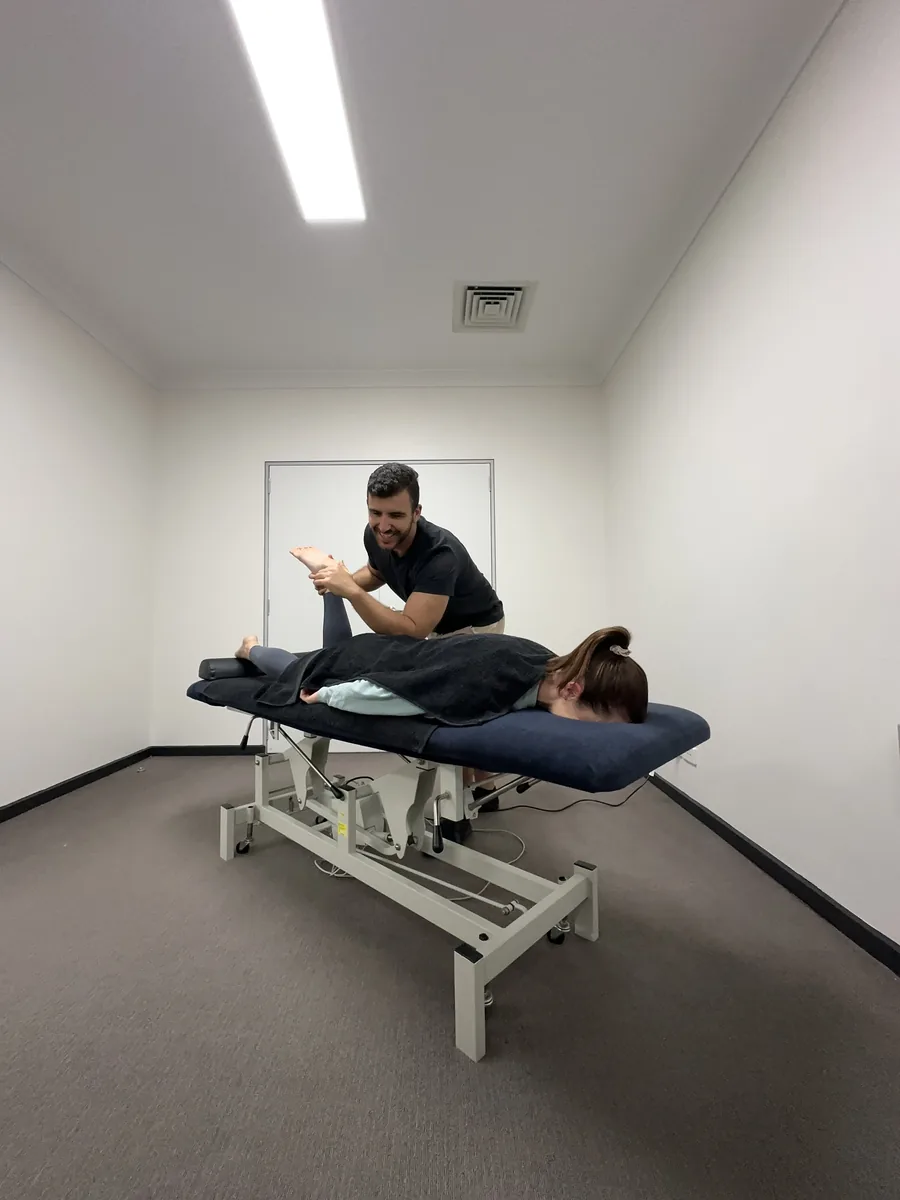
Pain along the inside of the ankle, behind and below the bony bump, often with a sense that the arch is flattening, is commonly caused by the tibialis posterior tendon. It's most often seen in women over 40, and early treatment makes a real difference.
What is the tibialis posterior tendon?
It runs from a deep calf muscle down behind the inner ankle bone and attaches under the arch. It's the main dynamic support for the arch and helps you rise onto your toes. When it's irritated or weakened, the arch is less well supported.
What are the symptoms?
Pain and sometimes swelling along the inside of the ankle and arch, worse with walking, standing and especially uneven ground. Over time, the arch may flatten, the heel may tilt outwards, and rising onto the toes on that foot becomes difficult or painful. Some people notice their shoes wearing differently.
What causes it?
Gradual overload of the tendon, often with increasing age, weight gain, a naturally flatter foot, or a sudden increase in walking or standing. It's also associated with diabetes, high blood pressure and inflammatory arthritis, and occasionally follows an ankle injury.
How is it diagnosed?
By examination: tenderness along the tendon, the shape of the foot from behind, and a single-leg heel raise. Being unable to do one, or the heel not turning inwards as you rise, suggests the tendon is struggling. An ultrasound or MRI can show the tendon's condition.
What is the best treatment?
Early on, a combination of foot orthoses and progressive strengthening. A randomised trial in people with early-stage tibialis posterior tendon problems found all groups improved with orthoses and stretching, and those who added progressive resistance exercise improved most in pain and function (Kulig et al., Physical Therapy, 2009). A systematic review found moderate effects for strengthening combined with stretching and orthoses, while noting the small number of trials (Ross et al., BMJ Open Sport & Exercise Medicine, 2018).
What exercises help?
Resisted movements turning the foot inwards against a band, double then single-leg heel raises with a small ball squeezed between the heels to keep the ankle aligned, arch-lifting 'short foot' exercises, and balance work. Calf stretching may also help. Progress slowly; tendons adapt over months.
Do orthotics help?
Yes, they're a core part of early management, supporting the arch and offloading the tendon. Supportive shoes with a firm heel counter also help. A podiatrist can prescribe and fit orthoses.
Can I keep walking and exercising?
Usually, with changes. Shorter walks on even ground, supportive footwear, and swapping some walking for cycling or swimming during flare-ups. Avoid barefoot walking and very flexible shoes while it's painful.
What if it doesn't improve?
If pain and arch collapse progress despite good conservative care, a period in a supportive boot or brace may be used, and a foot and ankle surgeon may discuss surgical options. Early treatment aims to avoid reaching that point.
Is a flat foot always a problem?
No. Many people have naturally flat feet without pain. It's a foot that's changing shape, with pain on the inside of the ankle, that needs attention.
Could it be something else?
Pain on the inside of the heel or arch can also come from plantar fasciitis, a nerve compressed behind the inner ankle (tarsal tunnel syndrome), or a stress fracture.
See our posts on plantar fasciitis and outer foot pain.
How long does it take to improve?
Many people notice less pain within six to twelve weeks of orthoses and strengthening, with continued improvement over several months.
Does weight matter?
Extra body weight increases the load on the tendon with every step. Weight loss, where relevant, can make a real difference to symptoms.
Should I stretch my calves?
Tight calves increase the strain on the arch and tendon, so calf stretching is often included alongside strengthening. Stretch gently, with the arch supported.
Is it the same as plantar fasciitis?
No. Plantar fasciitis causes pain under the heel, worst with the first steps in the morning. Tibialis posterior pain is along the inside of the ankle and arch, worse with prolonged walking and standing.
How can an osteopath help?
We assess the foot, ankle, knee and hip, test the tendon, guide a progressive strengthening program, and treat surrounding stiffness. We'll refer you to a podiatrist for orthoses and to a specialist if the foot shape is changing quickly.
When should it be checked?
Book in for inner ankle pain lasting more than a couple of weeks, or if you notice your arch changing. See a doctor promptly after an injury with inability to bear weight, or for a hot, red, swollen ankle.
See our foot pain guide. Book an assessment at our Berwick clinic. A 60-minute initial consultation is $149, with no referral needed and HICAPS on-site.
Sources
Book an initial consultation at RISE Sports & Spinal in Berwick. Clear diagnosis, hands-on treatment, and a plan that actually gets you better.
Related articles