Hip pain when sleeping on your side: causes and what helps
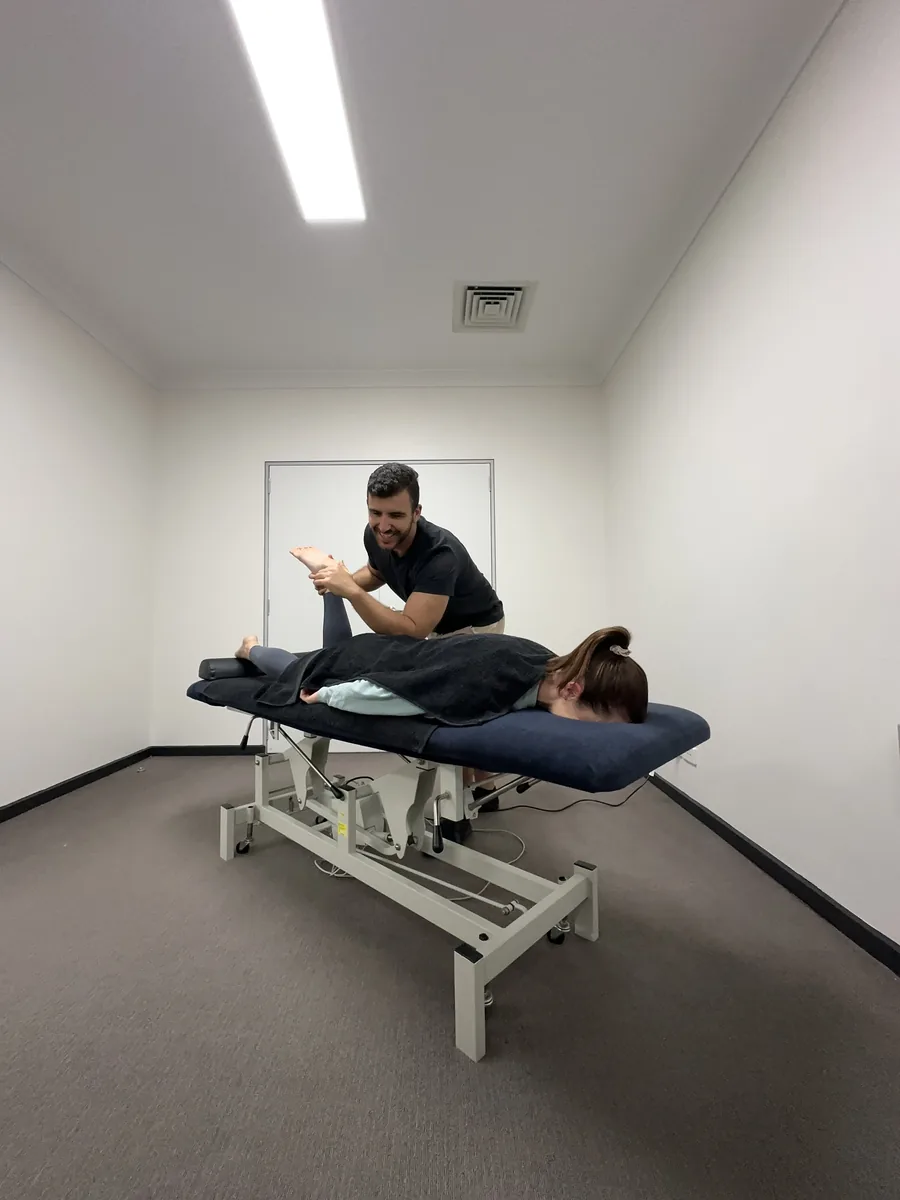
Pain on the outside of the hip that builds when you lie on that side, and wakes you when you roll over, is one of the most common night-time complaints we hear, especially from women from their forties onward.
Why does my hip hurt when I sleep on my side?
The usual cause is irritation of the gluteal tendons where they attach to the bony point on the outside of the hip, often with the bursa that sits over them. A review describes gluteal tendinopathy as a primary source of outer hip pain that interferes with sleep, particularly side-lying, and is most common in mid-life and in women (Grimaldi et al., Sports Medicine, 2015). It's often still called hip bursitis.
Why does it hurt on the side I'm not lying on?
This surprises people. When you lie on your good side, the top leg tends to drop forward and across the body, which stretches and compresses the tendons of the upper hip against the bone. So both positions can hurt, for different reasons: direct pressure on the bottom hip, and compression of the top one.
What is the best sleeping position for outer hip pain?
On your back with a pillow under your knees is the least provocative. If you're a side sleeper, lie on the comfortable side with a thick pillow, or two, between your knees and ankles, so the top leg stays level with your hip and doesn't drop across. A body pillow works well.
What if I can only sleep on the sore side?
Soften the surface. A mattress topper, or an egg-crate foam overlay, reduces pressure on the hip. Rolling slightly back onto a pillow behind you, so you're a quarter-turn off the hip, also helps.
What should I avoid during the day?
The same positions that compress the tendon: sitting with your legs crossed, standing with your weight sunk onto one hip, sitting in low chairs with your knees together, and stretching across the outside of the hip. These changes often improve night pain within a couple of weeks.
Does a new mattress help?
Sometimes a softer surface helps, but try a topper and pillows first. A very firm mattress can increase pressure on the hip for side sleepers.
What is the best treatment?
Education about load and positions, plus progressive strengthening. In a randomised trial, education and exercise gave better results than a corticosteroid injection or a wait-and-see approach at eight weeks, and better overall improvement than the injection at one year (Mellor et al., British Journal of Sports Medicine, 2018).
See our post on gluteal tendinopathy for the full guide.
What exercises help?
Usually starting with gentle static holds, such as pressing the knee outwards against a wall or band while standing, then bridges, side-stepping with a band, and gradually single-leg exercises. Stretching the outside of the hip tends to make it worse.
Could it be something else?
Yes. Hip osteoarthritis usually causes groin pain and stiffness, and can ache at night. Pain referred from the lower back can be felt in the buttock and outer hip. Pain in the groin with clicking or catching suggests a problem in the joint. An assessment sorts these out.
See our posts on hip osteoarthritis and clicking hips.
Why is it more common around menopause?
Tendons appear to become less tolerant of load as oestrogen falls, and gluteal tendinopathy is particularly common in women in midlife.
See our post on menopause and joint pain.
How long until I can sleep comfortably?
Many people notice better sleep within two to four weeks of changing positions and habits. The tendon itself takes longer to build capacity, usually around three months of consistent exercise.
Do painkillers or injections help with sleep?
Simple pain relief can help you get to sleep during a flare; ask your pharmacist or GP. A corticosteroid injection can give short-term relief, but in the trial above, exercise and education did better.
Is walking good or bad for it?
Walking on flat ground is usually fine and helps keep you active. Long walks, hills and stairs can aggravate it in the early stages, so shorten them for a while and build back up.
How can an osteopath help?
We confirm the cause, rule out the hip joint and lower back, show you exactly which positions to change, and build a strengthening program. Hands-on treatment to the surrounding muscles can ease symptoms.
When should hip pain at night be checked?
Book in if night pain isn't improving after a few weeks. See a doctor promptly for hip pain after a fall, especially if you can't bear weight, pain that is constant and unrelated to position, fever, unexplained weight loss, or a history of cancer.
See our hip and pelvic pain guide. Book an assessment at our Berwick clinic. A 60-minute initial consultation is $149, with no referral needed and HICAPS on-site.
Sources
Book an initial consultation at RISE Sports & Spinal in Berwick. Clear diagnosis, hands-on treatment, and a plan that actually gets you better.
Related articles