Why does my hip click? Snapping hip explained
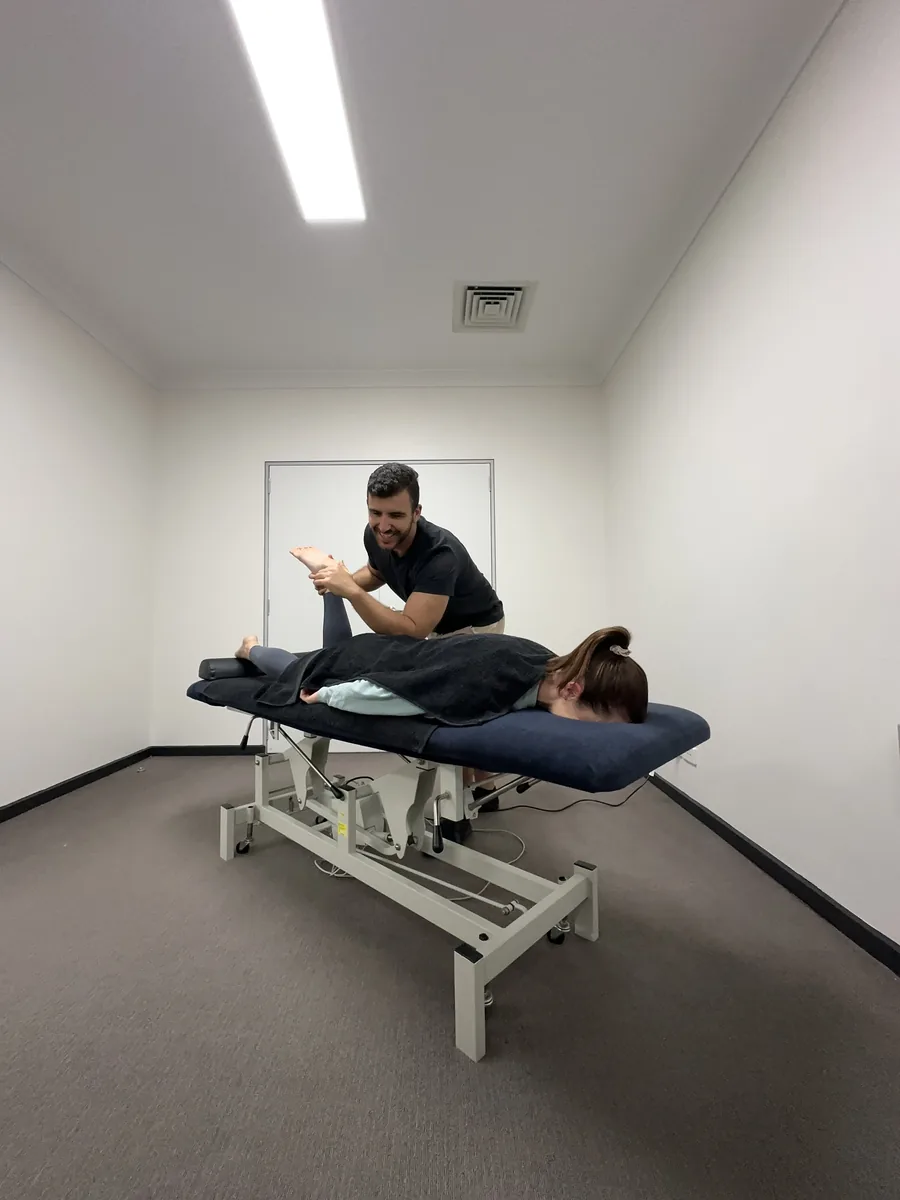
A hip that clicks or clunks when you walk, get up from a chair or lift your leg is very common, particularly in dancers, runners, gym-goers and young adults. The medical name is snapping hip, and in most cases it's more annoying than harmful.
What is snapping hip?
It's a snapping sensation or sound around the hip with movement. Reviews describe three types: external, caused by the iliotibial band or gluteal tendon flicking over the bony point on the outside of the hip; internal, caused by the hip flexor (iliopsoas) tendon moving over the front of the joint; and intra-articular, coming from inside the joint itself (Yen et al., Sports Medicine and Arthroscopy Review, 2015).
Why does the outside of my hip snap?
With external snapping, a tight band of tissue slides over the bony prominence at the side of the hip as it bends and straightens. You may see or feel it move, and it can feel as though the hip is popping out, although it isn't. It's often noticed when walking, running or rotating the hip.
Why does the front of my hip click when I lift my leg?
Internal snapping happens at the front of the hip or deep in the groin, usually as the leg moves from a bent, turned-out position back to straight, for example lowering the leg from a leg raise or getting up from a chair. It tends to produce a deeper clunk and is common in dancers and people who do a lot of hip flexion.
Is a clicking hip serious?
Usually not. If it's painless, it doesn't need treatment. A literature review concluded that the majority of cases of snapping hip resolve with conservative treatment (Lewis, Sports Health, 2010). Clicking that comes from inside the joint, often with sharp groin pain, catching or locking, is different and can indicate a labral tear or other joint problem.
When does snapping hip become a problem?
When it becomes painful. Repeated snapping can irritate the tendon or the bursa beneath it, causing aching on the outside or front of the hip, particularly with running, stairs or lying on that side.
What causes it?
It's more common in activities with repeated hip bending and rotation, such as dance, running, cycling, martial arts and gym work. Growth spurts in teenagers, a sudden increase in training, and weakness or poor control around the hip can all contribute.
How is snapping hip treated?
By reducing the movements that provoke it for a while and strengthening the hip. The reviews describe conservative care, including avoiding aggravating activities and exercise, as the standard approach, with surgery reserved for the few cases that don't respond. In practice, building strength and control in the glutes, hip flexors and trunk is usually more effective than stretching alone.
What exercises help?
For external snapping: side-lying leg raises, clamshells, side planks, bridges and single-leg balance and squat work. For internal snapping: controlled hip flexor strengthening, such as slow leg lowers and marching with a band, plus trunk control exercises. Start with pain-free ranges.
Should I stretch a snapping hip?
Gentle stretching may help if the area is genuinely stiff, but forcing stretches across the outside of the hip can irritate the tendons underneath. Avoid repeatedly making the hip snap on purpose.
Can I keep training?
Usually. Reduce or modify the specific movements that cause painful snapping, such as deep hip flexion under load, high kicks or leg raises, and keep everything else going.
Do I need a scan?
Not for painless clicking. For painful or persistent cases, ultrasound can show a tendon snapping in real time, and an MRI may be used if a problem inside the joint is suspected.
How do I know if it's coming from inside the joint?
Joint-related clicking is typically felt deep in the groin, often with a sharp pinch in deep bending or twisting, and sometimes catching, locking or giving way. It may follow an injury.
See our posts on hip impingement and hip pain when squatting.
Is snapping hip common in dancers and teenagers?
Yes. It's particularly common in dancers, gymnasts and adolescents going through growth spurts, because of the large ranges of hip movement involved and temporary tightness as bones lengthen. It usually improves with strength and control work.
How can an osteopath help?
We identify which type of snapping you have, check the hip joint and lower back, treat hands-on to ease irritation, and build a strengthening program that fits your sport. We'll refer you for imaging if a joint problem seems likely.
When should a clicking hip be checked?
Book in if the clicking is painful, getting worse, or affecting training or sleep. See a doctor promptly for a hip that locks or gives way, severe pain after a fall, or groin pain with a limp in a child or teenager.
See our hip and pelvic pain guide. Book an assessment at our Berwick clinic. A 60-minute initial consultation is $149, with no referral needed and HICAPS on-site.
Sources
Lewis CL. Extra-articular snapping hip: a literature review. Sports Health, 2010.
Book an initial consultation at RISE Sports & Spinal in Berwick. Clear diagnosis, hands-on treatment, and a plan that actually gets you better.
Related articles