After a hip replacement: sleeping, driving and exercise
Hip replacement is one of the most successful operations in medicine, and most people are delighted with the result. The first few months come with a lot of questions about what you can and can't do.
This is general information. Your surgeon's and hospital team's instructions for your operation always come first.
How long does recovery take?
Most people walk with crutches or a frame for two to six weeks, are walking comfortably by six to twelve weeks, and keep gaining strength for six to twelve months. Recovery tends to be quicker than after a knee replacement.
What are hip precautions?
Traditionally, patients were told to avoid bending the hip beyond 90 degrees, crossing the legs and twisting on the operated leg for six to twelve weeks, to reduce the risk of the new hip dislocating. Which precautions apply, and for how long, depends on the surgical approach and your surgeon.
Are strict precautions still necessary?
Practice is changing. A systematic review covering 1,122 hip replacements found dislocation rates of 1.5% in patients given restrictions and 1.0% in those with fewer or no restrictions, and that the less restricted patients returned to activities faster and were more satisfied (van der Weegen et al., Clinical Rehabilitation, 2016). Many surgeons now use fewer restrictions, but you should follow the instructions you were given for your operation.
When can I sleep on my side?
Sleeping on your back is usually advised at first. Many surgeons allow sleeping on the non-operated side with a pillow between the knees within the first few weeks, and on the operated side once the wound has healed and it's comfortable, often around six weeks. Check your own instructions.
When can I drive?
Commonly around six weeks, once you can get in and out of the car comfortably, control the pedals, perform an emergency stop and are off strong pain medication. Confirm with your surgeon and insurer.
When can I bend over or put on shoes and socks?
That depends on your precautions. Early on, a long-handled reacher, sock aid and long shoehorn make dressing possible without deep bending. Your team will tell you when you can bend normally.
What exercises help?
Early: ankle pumps, tightening the thigh and buttock muscles, sliding the heel up the bed, and moving the leg out to the side. Then standing hip exercises holding a bench, sit-to-stands from a higher chair, bridges, step-ups and gradually longer walks. Hip abductor strength, the muscles at the side of the hip, is especially important for walking without a limp.
How much should I walk?
Little and often at first, building gradually. Several short walks a day are better than one long one. Increase distance as comfort allows.
Is groin or thigh pain normal afterwards?
Some aching in the groin, thigh and buttock is common in the first few months as tissues heal and muscles regain strength. Pain that is increasing, or new pain after a period of doing well, should be reviewed.
Why do I still limp?
The hip muscles are often weak from months or years of pain before surgery, and from the operation itself. A persistent limp usually improves with targeted hip strengthening and using a stick in the opposite hand until you can walk without tilting.
When can I return to exercise and sport?
Swimming once the wound has healed, stationary cycling, walking, golf and bowls are commonly resumed between six and twelve weeks. Discuss higher-impact activities and deep-flexion activities such as some yoga positions with your surgeon.
What about my back and other joints?
A stiff, painful hip changes how you walk and often leaves the lower back, knee or other hip sore. These usually ease as walking normalises, and can be treated alongside your rehab.
See our post on telling hip pain from back pain.
How should I sit and get up?
Choose a firm, higher chair with arms for the first weeks; low sofas and deep car seats are harder. To stand, slide to the front of the seat, keep the operated leg slightly forward, and push up through the arms.
When can I return to work?
Desk-based work is often possible from around six weeks, and physical jobs from around three months, depending on your recovery and your surgeon's advice.
How can an osteopath help?
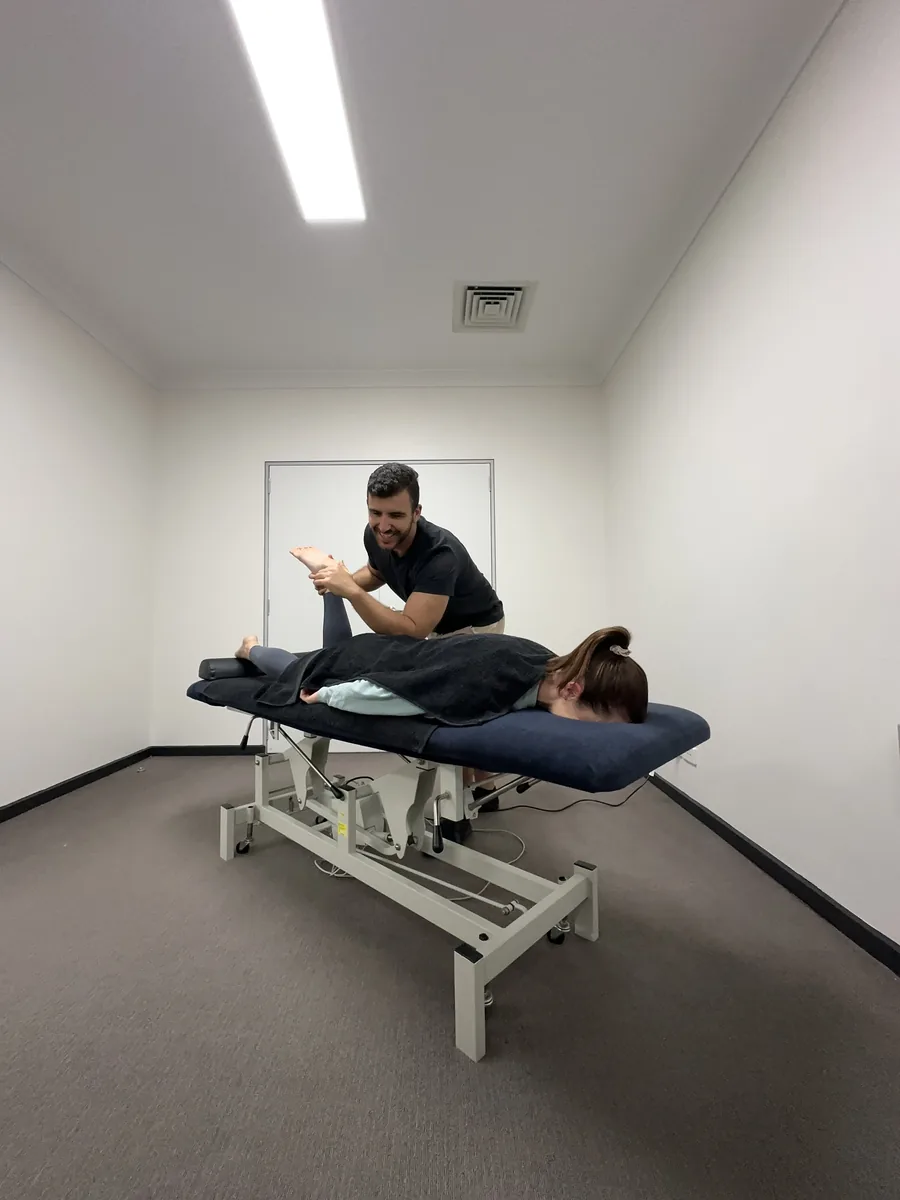
We work within your surgeon's instructions. We can help with strength and walking, treat the back and other joints that have been compensating, and avoid positions that are restricted for your hip.
When should I seek urgent care?
Go to an emergency department for sudden severe hip pain with the leg shortened or turned, or inability to bear weight, which can indicate a dislocation, and for calf pain and swelling, chest pain or shortness of breath. Contact your surgeon or GP promptly for wound redness, discharge or fever.
See our post on hip osteoarthritis and our hip and pelvic pain guide. Book an assessment at our Berwick clinic. A 60-minute initial consultation is $149, with no referral needed and HICAPS on-site.
Sources
Book an initial consultation at RISE Sports & Spinal in Berwick. Clear diagnosis, hands-on treatment, and a plan that actually gets you better.
Related articles