Meralgia paresthetica: numbness and burning in the outer thigh
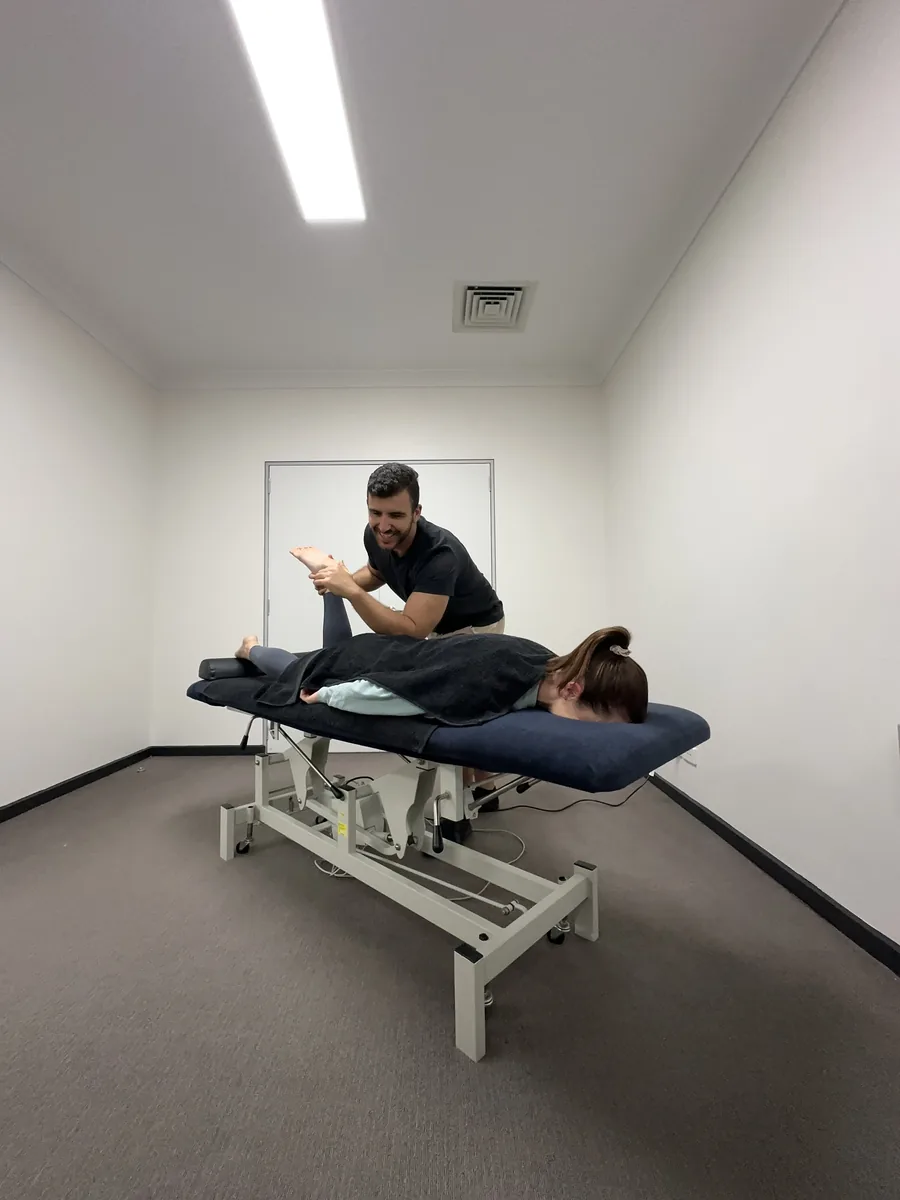
A patch of numbness, tingling or burning on the outside of the thigh, with no back pain and no weakness, is often meralgia paresthetica. The name is a mouthful, but the condition is usually harmless and often settles with simple changes.
What is meralgia paresthetica?
It's irritation or compression of the lateral femoral cutaneous nerve, a small nerve that supplies sensation to the skin on the outer thigh. The nerve passes under or through the ligament at the front of the hip, near the bony point of the pelvis, where it can be squeezed. It only carries sensation, so it doesn't affect muscle strength.
What does it feel like?
A patch on the outer or front-outer thigh, usually on one side, that feels numb, tingly, burning or oversensitive to touch. Clothing brushing the skin can feel unpleasant. It's often worse standing or walking for long periods and eases with sitting. There's no weakness, and the knee and hip move normally.
What causes it?
Anything that compresses the nerve at the front of the hip. Common causes include tight belts, waistbands, high-waisted compression tights, tool belts and duty belts, weight gain or pregnancy, and long periods of standing or walking. In the gym, a tight lifting belt, hip thrusts with a bar across the hips, and lying face down on a hard surface can trigger it. It's also more common in people with diabetes.
How is it diagnosed?
Usually from the history and examination: a clear patch of altered sensation on the outer thigh, normal strength and reflexes, and sometimes tenderness near the bony point at the front of the pelvis that reproduces the symptoms. We also check the lower back and hip, as a nerve irritated in the spine can cause thigh symptoms too.
How do I tell it apart from sciatica or a back problem?
Sciatica typically runs down the back of the leg, often below the knee, and usually comes with back or buttock pain. A nerve irritated higher in the lumbar spine can cause front-of-thigh pain, often with back pain, weakness of the thigh muscles or a reduced knee reflex. Meralgia paresthetica is skin-deep: a sensory patch on the outer thigh with no weakness.
What helps meralgia paresthetica?
Remove the pressure. Loosen belts and waistbands, avoid tight clothing around the hips, pad or reposition lifting belts and barbells, and break up long periods of standing. If weight gain is a factor, gradual weight loss often helps. Many cases settle over weeks to months with these changes.
What does the research say about treatment?
A Cochrane review found no randomised trials, so the evidence base is weak. Observational studies report high improvement rates after corticosteroid injection and after surgery, but one natural history study found similar improvement with no intervention at all (Khalil et al., Cochrane, 2012). That supports starting with simple measures and time.
Do I need medication, an injection or surgery?
Most people don't. If symptoms are painful or persistent, your GP can discuss medication for nerve pain or a local injection. Surgery is rarely needed and is reserved for severe cases that haven't responded to other treatment.
Can I keep exercising?
Yes. Exercise doesn't damage the nerve. Adjust anything that presses on the front of the hip: wear your lifting belt slightly higher or looser, use a thick pad for hip thrusts, and avoid very tight compression gear for a while.
Can an osteopath help?
Yes. We confirm the diagnosis and rule out the back and hip as sources, identify what's compressing the nerve, and use hands-on treatment for the hip, pelvis and lower back where it helps. We'll refer you to your GP if symptoms don't fit or aren't settling.
How long does it last?
It varies. Once the cause is removed, symptoms often ease over a few weeks to a few months. Some numbness can persist longer without being a concern.
Is meralgia paresthetica common in pregnancy?
Yes. The growing abdomen and changes in posture can put pressure on the nerve at the front of the hip. It usually settles after the baby is born. Loose clothing, changing positions regularly and side-lying with a pillow between the knees can help in the meantime; mention it to your midwife or GP.
Can a tool belt or duty belt cause it?
Yes. Tradies, police and security staff who wear heavy belts low on the hips are commonly affected. Shifting weight off the belt, using braces or a vest to carry load, and repositioning pouches away from the front of the hip often makes a noticeable difference.
When should thigh numbness be checked urgently?
Go to an emergency department for numbness around the groin or inner thighs, difficulty controlling your bladder or bowels, or weakness in the legs. See your GP promptly for weakness in the thigh, numbness that's spreading, or symptoms in both legs.
See our post on referred pain from the lower back and our hip and pelvic pain guide. Book an assessment at our Berwick clinic. A 60-minute initial consultation is $149, with no referral needed and HICAPS on-site.
Sources
Book an initial consultation at RISE Sports & Spinal in Berwick. Clear diagnosis, hands-on treatment, and a plan that actually gets you better.
Related articles