Tight hip flexors: causes, myths and what actually helps
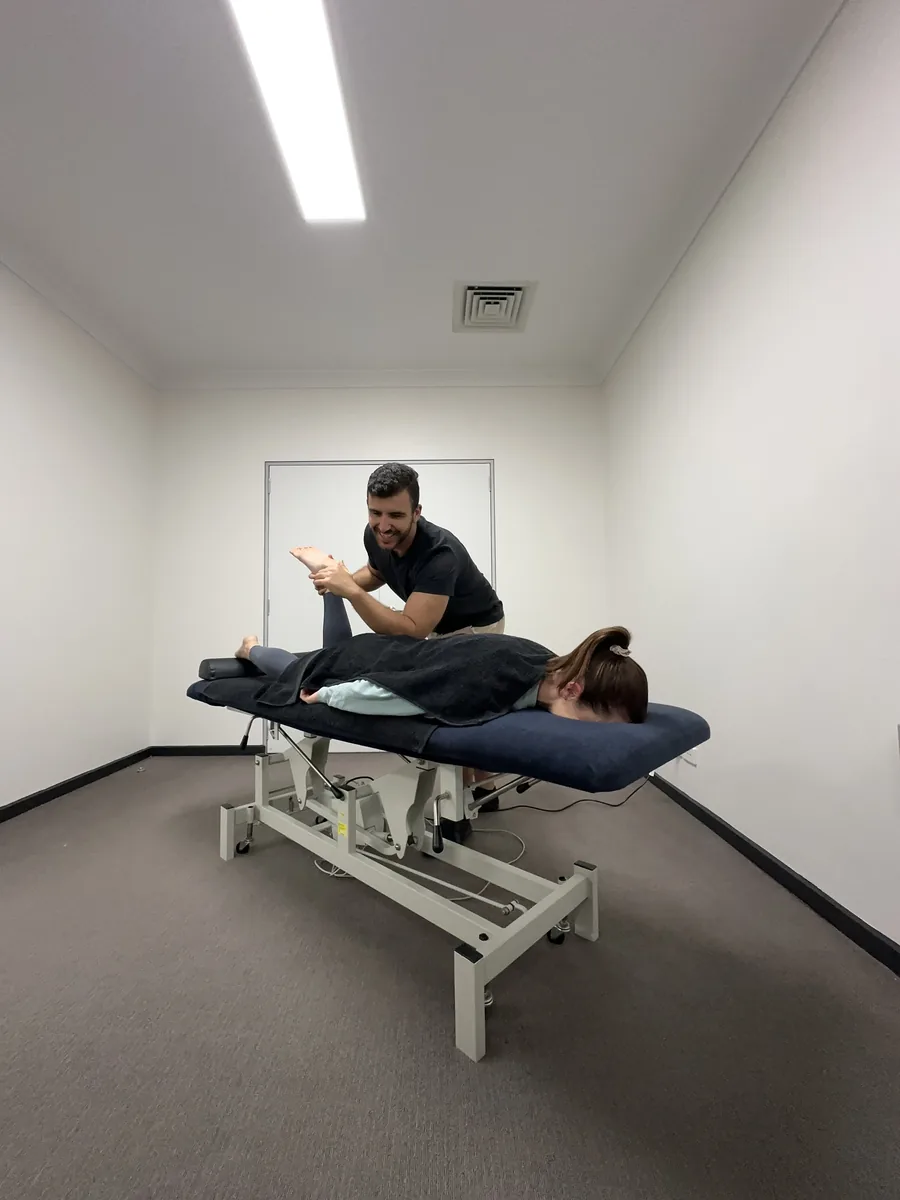
'Tight hip flexors' get blamed for everything from back pain to poor posture to slow running. The front of the hip often does feel tight, particularly after long days of sitting. But tightness as a feeling and shortness as a fact aren't the same thing.
What are the hip flexors?
They're the muscles that lift your thigh towards your trunk. The main ones are the iliopsoas, which runs from the lower spine and pelvis to the top of the thigh bone, and rectus femoris, one of the quadriceps. They work whenever you walk, run, climb stairs, kick or sit up.
Why do my hip flexors feel tight?
Several reasons. After sitting, the front of the hip can feel stiff simply from being in one position. Muscles that are fatigued or weak often feel tight. An irritated hip joint or lower back can produce protective tension at the front of the hip. And a sudden increase in running, kicking or hill work can overload them.
Does sitting shorten your hip flexors?
It's a popular idea, but there's little direct evidence that sitting permanently shortens the hip flexors. Stiffness after sitting usually eases within minutes of moving. Long periods of sitting are still worth breaking up, for comfort and general health.
Do tight hip flexors cause lower back pain?
The theory is that tight hip flexors tilt the pelvis forward and strain the back. However, a systematic review found no difference in standing pelvic tilt or lumbar curve between people with and without low back pain (Laird et al., BMC Musculoskeletal Disorders, 2014). The front of the hip and the lower back can certainly hurt together, but posture alone doesn't explain it.
See our post on anterior pelvic tilt.
Should I stretch my hip flexors?
If it feels good and you need the range, yes. Stretching the hip flexors increases hip extension in the short term. A meta-analysis found that stretching them for up to two minutes had no effect, or even a slightly positive effect, on performance, with a small decrease only after very long stretches of four and a half minutes or more (Konrad et al., International Journal of Environmental Research and Public Health, 2021). So a short stretch before activity is fine.
How do I stretch them properly?
Kneel on one knee with the other foot in front. Tuck your tailbone under and gently squeeze the buttock on the kneeling side, then shift your hips forward slightly until you feel a pull at the front of the hip. Keep your trunk upright; don't arch your back. Hold 30 seconds, two or three times each side.
Would strengthening help more?
Often. Hip flexors that feel tight are frequently under-strong, particularly in runners and field sport athletes. Strengthening them, with exercises such as standing marches with a band, hanging or lying knee raises, and slow straight-leg lowers, often reduces the feeling of tightness and improves performance. Strengthening the glutes and trunk helps too.
Why does the front of my hip pinch when I squat or bring my knee up?
A pinch in deep hip bending is usually about the joint, not a tight muscle. The front of the hip joint gets crowded in deep flexion in some people. Stretching the hip flexors doesn't fix this, and forcing it can aggravate it.
See our posts on hip pain when squatting and hip impingement.
Could it be a strain or tendon problem?
Pain at the front of the hip or groin that came on during sprinting or kicking, hurts to lift the knee against resistance and is tender to press may be a hip flexor strain or tendon irritation, which needs graded loading.
See our post on hip flexor strains.
Why does my hip click at the front?
A click or clunk at the front of the hip as you lower your leg is often the hip flexor tendon moving over the front of the joint.
See our post on snapping hip.
What should I do if I sit all day?
Stand up and move every 30 to 45 minutes. A short walk, a few lunges or a brief hip flexor stretch is enough. Regular exercise that takes the hips through a full range, such as walking, running, lunges and squats, matters more than any single stretch.
How can an osteopath help?
We work out whether the tightness is coming from the muscle, the hip joint, the lower back or a nerve, treat hands-on to ease it, and give you the right balance of mobility and strengthening for your sport or work.
When should front-of-hip pain be checked?
Book in if tightness or pain isn't improving after a few weeks, or comes with clicking, catching or groin pain. See a doctor promptly for groin pain with a lump, pain after a fall, or hip pain with fever.
See our hip and pelvic pain guide. Book an assessment at our Berwick clinic. A 60-minute initial consultation is $149, with no referral needed and HICAPS on-site.
Sources
Book an initial consultation at RISE Sports & Spinal in Berwick. Clear diagnosis, hands-on treatment, and a plan that actually gets you better.
Related articles