Sports massage for BJJ and lifting: when it helps
If you roll or lift several times a week, you'll know the feeling: forearms that won't open, a stiff neck after a session of framing and bridging, tight hips from playing guard, and legs that ache after heavy squats. Here's where sports massage fits.
Where grapplers get tight
BJJ is hard on the grip, forearms and fingers, the neck and upper back from posture-breaking and stacking, the hips and groin from guard work, and the lower back from bridging and lifting partners. Gi grips in particular leave the forearms and hands tight for days.
Where lifters get tight
Squats and deadlifts load the quads, glutes, hamstrings and lower back; pressing and pulling load the chest, shoulders, lats and upper back. Heavy blocks and new programmes are when soreness and tightness tend to build up.
What sports massage helps with
Massage can reduce soreness after training and improve how loose you feel. A review of 29 studies found small improvements in flexibility and muscle soreness, but no improvement in strength or power (Davis et al., 2020). In a review of recovery methods, massage was the most effective for reducing soreness and perceived fatigue (Dupuy et al., 2018). For people training hard, feeling less beaten up can make it easier to keep showing up.
What it won't do
It won't make you stronger, protect you from injury on its own, or fix a joint or tendon problem. If the same area keeps getting sore, look at your training load and programme, and get it checked.
When to book around training
Book on a rest day or after a lighter session. Training the day after a massage is fine, but if you've had firm deep tissue work, go lighter that day. Avoid firm work in the two days before a comp or a heavy testing day; see our timing guide.
Signs it is more than tightness
Get it assessed if pain is sharp, catches with certain movements, has been there more than a couple of weeks, or comes with pins and needles, numbness or weakness. Common examples are elbow injuries from armbars, neck injuries from cranks and stacking, and neck strain from lifting.
A massage therapist who trains
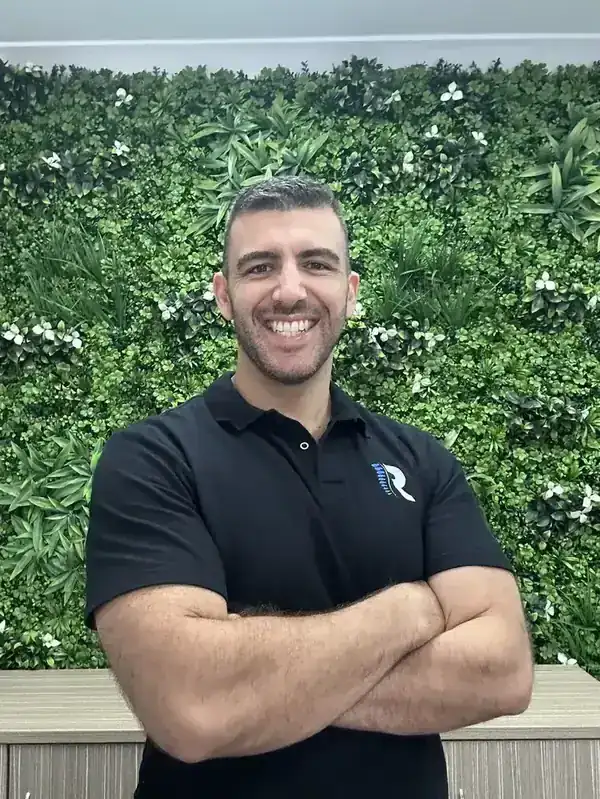
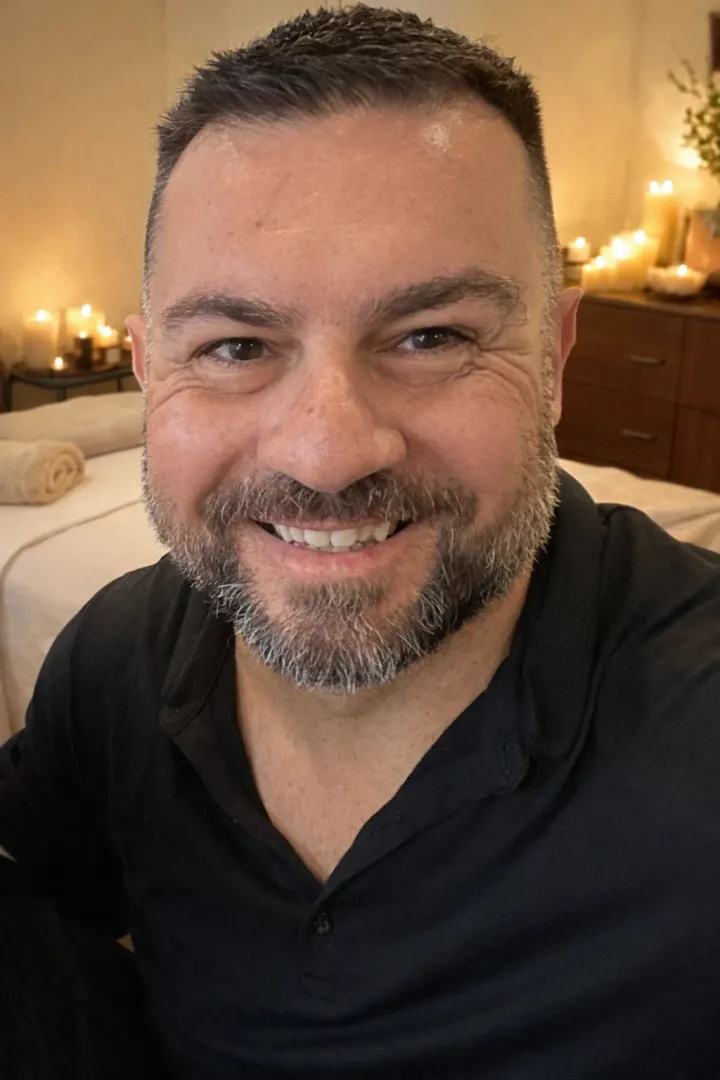
Peter Toperosa is a personal trainer as well as a massage therapist, with almost two decades of experience in massage and bodywork. He knows what a heavy block or a hard week of rolling does to the body. Steven Eskaf, our osteopath, trains BJJ and lifts too. See BJJ and martial arts injuries for when to see him.
Book a sports massage with Peter Toperosa at our Berwick clinic: 30 minutes, $75, and you can book online.
Sources
Book an initial consultation at RISE Sports & Spinal in Berwick. Clear diagnosis, hands-on treatment, and a plan that actually gets you better.
Related articles