Strength training for runners: why it matters and how to start
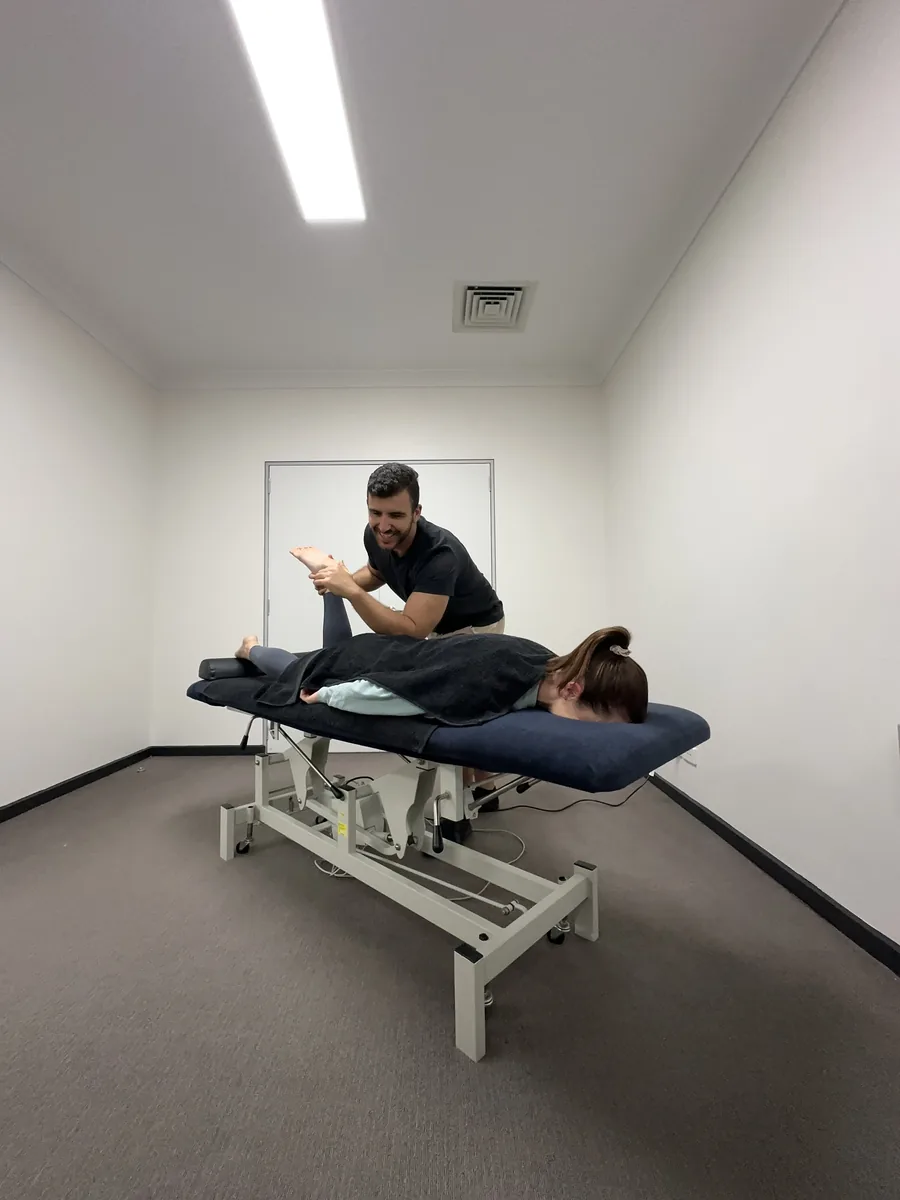
Many runners avoid the gym, worried it will make them heavy, sore or slow. The research points the other way: strength training tends to make runners more efficient and more resilient. It's one of the first things we recommend to the runners we see.
Should runners do strength training?
Yes. A systematic review of strength training in middle- and long-distance runners found that running economy, the energy cost of running at a given speed, generally improved by 2% to 8%, and that time-trial and sprint performance also tended to improve, although not in every study. Measures such as VO2max and body composition were typically unaffected (Blagrove et al., Sports Medicine, 2018).
Will lifting make me bulky or slow?
It's very unlikely. In that review, body composition was typically unaffected. The amount of strength work runners do, alongside a lot of running, isn't enough to add significant muscle mass. The improvements come mainly from the nervous system and stiffer, more efficient tendons.
Does strength training prevent running injuries?
Across sports, strength training is one of the most effective injury-prevention strategies. A meta-analysis found it reduced sports injuries to less than a third and almost halved overuse injuries, while stretching showed no protective effect (Lauersen et al., British Journal of Sports Medicine, 2014). The evidence specifically in runners is less clear-cut, but stronger muscles and tendons tolerate training load better, and strength work is central to treating most running injuries.
What are the best strength exercises for runners?
Focus on the legs and trunk: squats or split squats, deadlifts or hip thrusts, step-ups, single-leg deadlifts, and calf raises with both a straight and a bent knee. Add side planks and carries for the trunk and hips. Calf work deserves special attention, as the calf and Achilles handle very high loads with every stride.
How heavy should runners lift?
Reasonably heavy. Most of the studies showing benefits used heavy resistance (loads you can lift for roughly 3 to 8 repetitions), explosive exercises or plyometrics, not high-repetition light weights. Beginners should start lighter, at 8 to 12 reps, to learn technique, then progress towards heavier sets over a couple of months.
How often should runners do strength training?
Twice a week is a good target, and once a week maintains strength during heavy running blocks or racing season. Sessions of 30 to 40 minutes are enough.
When should I lift in my running week?
Avoid heavy leg work the day before a hard run or long run. Many runners lift on the same day as a hard running session, after the run, keeping easy days easy. Others lift on easy run days. Leave at least a couple of days between a heavy leg session and a race.
Should runners do plyometrics?
Jumping and hopping exercises improve the spring-like function of the tendons and were part of many of the successful programs in the research. Start small, with low hops and skipping, once or twice a week, and progress slowly, as they load the Achilles, calves and shins heavily.
Will strength training make my legs too sore to run?
In the first couple of weeks, probably a little. Start with light loads and low volume, and soreness fades as you adapt. Don't begin a strength program in the last few weeks before a goal race.
I'm injured. Can strength training help?
Often it's the main treatment. Achilles and patellar tendon pain, runner's knee, shin pain and gluteal tendon pain all respond to progressive strengthening. An assessment tells you which exercises and loads suit your injury.
See our posts on common running injuries, Achilles tendinopathy and runner's knee.
Do I need a gym?
Not at first. Single-leg exercises, step-ups, calf raises off a step and hip thrusts can be done at home with body weight and a backpack or dumbbell. To keep progressing, access to heavier weights helps.
What about core training?
Trunk strength helps you hold form when you're tired. Planks, side planks, dead bugs and carries are enough. They support, rather than replace, leg strength work.
How long before I notice a difference?
Most of the studies ran for six to fourteen weeks. Expect to feel stronger within a month and to notice running feeling a little easier at the same pace after two to three months of consistent work.
Should I stop strength training before a race?
Reduce it rather than stop. In the final week or two, drop the volume and avoid very heavy or new exercises, keeping one light session to maintain the feel. After the race, return to your normal routine once you've recovered.
How can an osteopath help runners?
We assess running injuries, look at your training history, and build a strength plan that fits around your running. Where something is irritated, we treat it and adjust your load so you can keep running where possible.
See our training hub and our post on whether running damages your knees. Book an assessment at our Berwick clinic. A 60-minute initial consultation is $149, with no referral needed and HICAPS on-site.
Sources
Book an initial consultation at RISE Sports & Spinal in Berwick. Clear diagnosis, hands-on treatment, and a plan that actually gets you better.
Related articles