Knee pain when kneeling: causes and what helps
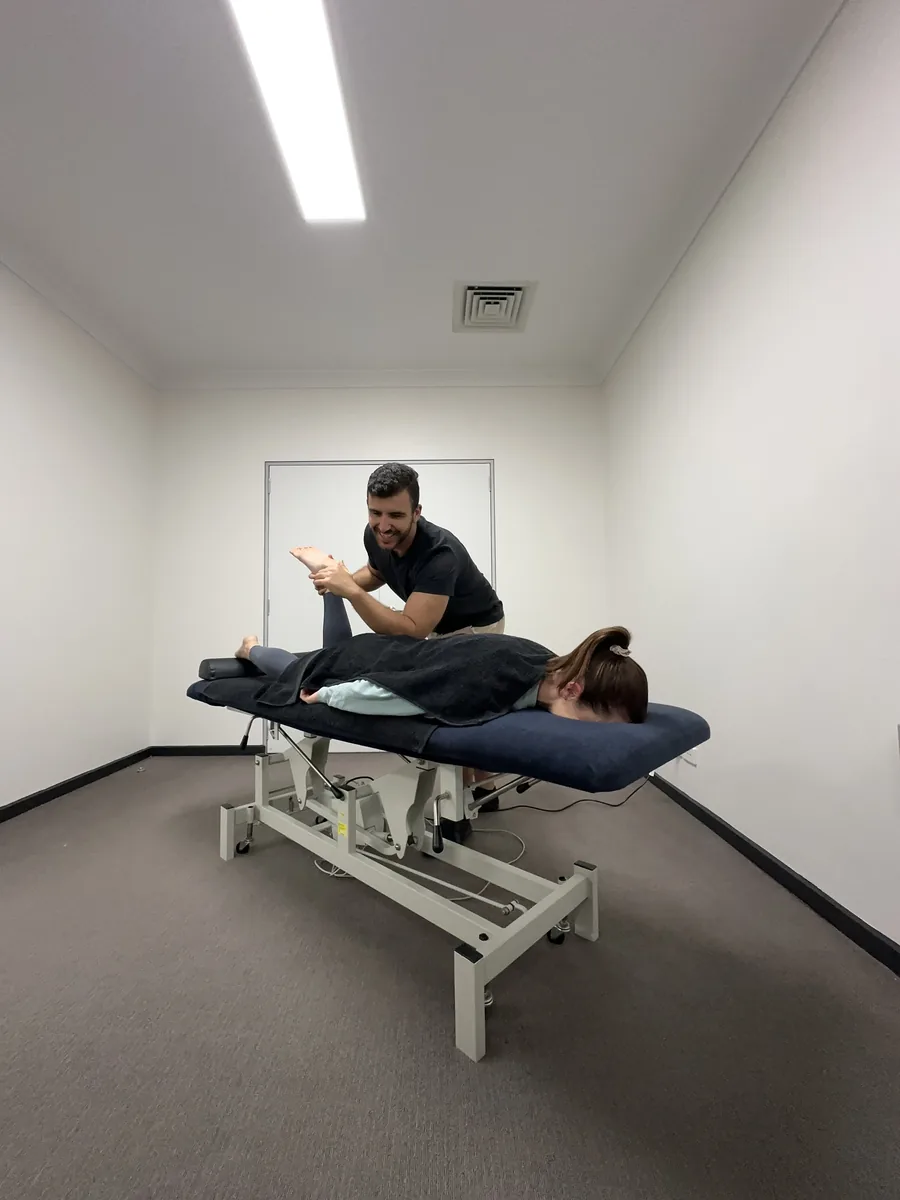
Kneeling puts direct pressure on the front of the knee and bends it deeply. Pain when kneeling is common in tradies, cleaners, gardeners, parents on the floor with kids, and BJJ and martial arts athletes.
What causes knee pain when kneeling?
The most common causes are prepatellar bursitis (irritation of the fluid sac in front of the kneecap), patellofemoral pain (from the joint behind the kneecap), patellar tendon pain just below the kneecap, Osgood-Schlatter disease in teenagers, and arthritis. After a knee replacement, kneeling is often uncomfortable for a long time.
Bursitis at the front of the knee
A soft swelling over the kneecap, sometimes called housemaid's or carpet layer's knee, comes from repeated pressure on the bursa. It's often only mildly painful, but kneeling directly on it hurts. Most cases settle with avoiding pressure, padding and time. A hot, red, very tender swelling with fever can be infected and needs a doctor promptly.
Pain behind the kneecap
Pain around or behind the kneecap that's worse kneeling, squatting, on stairs and after sitting is typical of patellofemoral pain. It's managed mainly with hip and quadriceps strengthening.
See our post on runner's knee.
Pain just below the kneecap
Pain on the tendon below the kneecap, or on the bony bump below it in teenagers, is often aggravated by kneeling.
See our posts on patellar tendinopathy and Osgood-Schlatter disease.
Pain at the back of the knee when kneeling
Deep bending in kneeling or sitting back on the heels can squeeze a Baker's cyst or irritate the back of the meniscus.
See our post on pain behind the knee.
Can I kneel after a knee replacement?
Many people find it difficult. A meta-analysis found only about 37% of people could kneel at least a year after a knee replacement, rising to about 48% after three years, and noted kneeling is among the poorest outcomes after the surgery (Nadeem et al., Knee Surgery & Related Research, 2021). Kneeling won't damage a well-healed replacement, but it may feel uncomfortable or strange over the scar.
See our post on exercises and kneeling after a knee replacement.
What helps knee pain when kneeling?
Use kneeling pads or a cushioned kneeler, alternate knees, take breaks, and use a low stool for gardening or floor work when you can. Half-kneeling, with one knee up, reduces load. Strengthening the quadriceps and hips helps the kneecap and tendon tolerate load.
What about kneeling in BJJ and martial arts?
Repeated kneeling and knee-on-mat pressure in BJJ can irritate the bursa and patellar tendon. Knee pads under the gi pants, changing positions in drilling, and a strengthening program help.
See our post on BJJ knee injuries.
What exercises help?
Sit-to-stands, step-ups, split squats, wall sits, bridges and side-lying leg raises, progressing over weeks. Gradually practise kneeling on a soft surface to rebuild tolerance.
When should I see a doctor?
See a doctor promptly for a hot, red, swollen knee, fever, a knee that locks or gives way, inability to bear weight after an injury, or warmth and swelling around a recent knee replacement.
Why does kneeling hurt but walking doesn't?
Kneeling puts direct pressure on the front of the kneecap, the bursa and the patellar tendon, and bends the knee more than walking does. Structures that tolerate walking can still be sensitive to that direct pressure and deep bend.
Is it arthritis?
Arthritis in the kneecap joint can make kneeling and squatting uncomfortable, often with stiffness after rest and grinding sensations. Strengthening and activity changes help many people with knee arthritis, and kneeling on a soft surface is not harmful in itself.
See our post on knee clicking and cracking.
What about tradies who kneel all day?
Floor layers, tilers, plumbers and electricians kneel for long periods. Good quality knee pads, a kneeling mat, regular position changes and limiting continuous kneeling time all reduce load. Bursitis that keeps recurring is a sign to change how much and how you kneel.
How long does it take to improve?
Bursitis often settles over a few weeks with less pressure. Kneecap and tendon pain usually improve over six to twelve weeks of consistent strengthening. Teenagers with Osgood-Schlatter often improve as they finish growing.
Can I keep training or working?
Usually, with changes. Use pads, kneel on soft surfaces, alternate between kneeling, half-kneeling and squatting, and take breaks. In the gym, swap kneeling exercises for standing alternatives while it settles.
Does ice help?
Ice or a cool pack for 10 to 15 minutes after kneeling can ease pain and swelling over the kneecap, particularly with bursitis.
How can an osteopath help?
We identify the source of kneeling pain, treat hands-on, advise on work and training changes, and build a strengthening plan to help you get back to kneeling comfortably.
See our knee and ankle pain guide. Book an assessment at our Berwick clinic. A 60-minute initial consultation is $149, with no referral needed and HICAPS on-site.
Sources
Book an initial consultation at RISE Sports & Spinal in Berwick. Clear diagnosis, hands-on treatment, and a plan that actually gets you better.
Related articles