Pain behind the knee: common causes and what helps
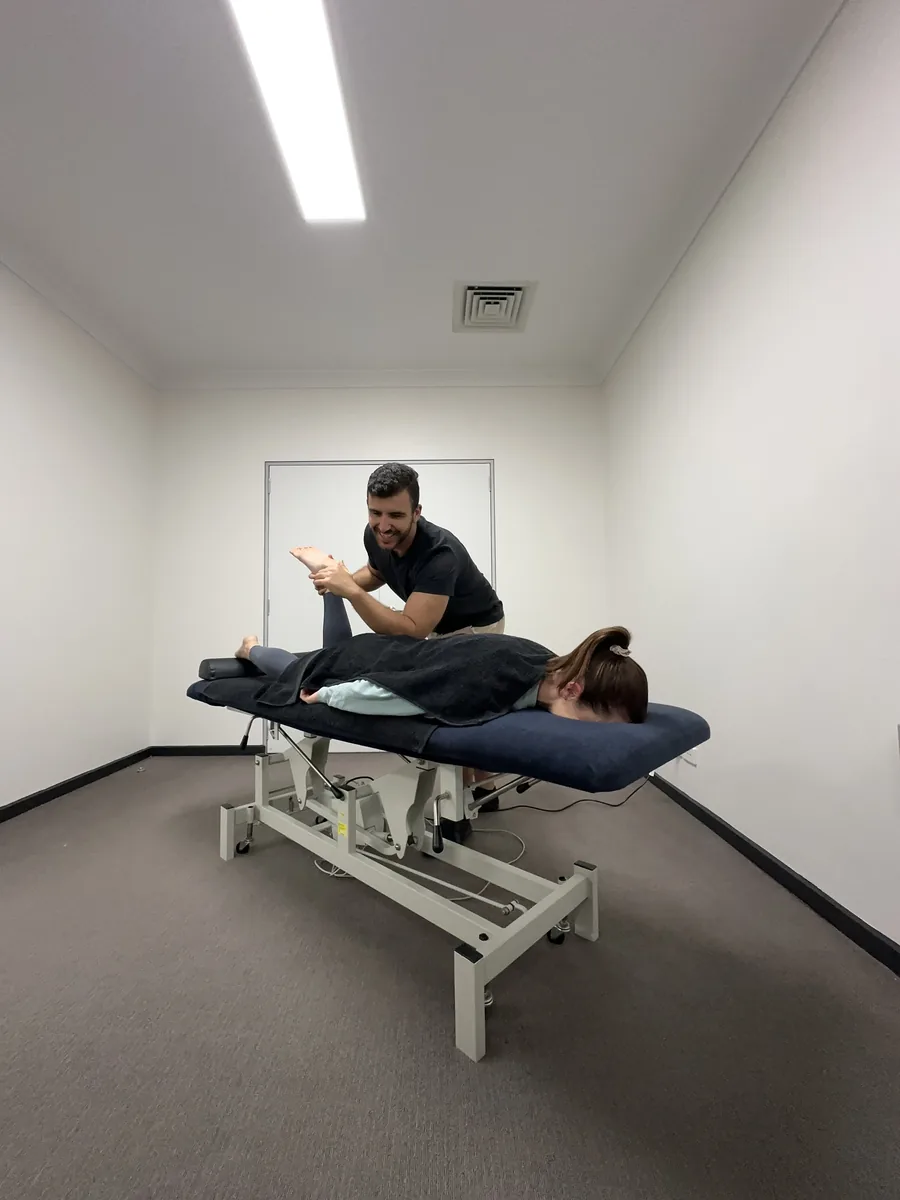
Pain at the back of the knee is less common than pain at the front, and it has a different set of causes. Most are muscle and tendon problems that settle well. One, a blood clot, needs urgent attention, so it's worth knowing the signs.
When is pain behind the knee an emergency?
Seek same-day medical care for pain or tenderness behind the knee or in the calf with swelling, warmth or redness of the lower leg, particularly after a long flight or car trip, surgery, a period of immobility, or if you're pregnant or take the contraceptive pill. These can be signs of a deep vein thrombosis. Call 000 if leg swelling comes with chest pain or shortness of breath.
What causes pain behind the knee?
The common musculoskeletal causes are a Baker's cyst, hamstring tendon irritation, a strain of the upper calf muscle, irritation of the small popliteus muscle, and problems inside the knee, such as a meniscus tear at the back of the joint. Pain can also be referred from the lower back or from an irritated nerve.
What is a Baker's cyst?
A fluid-filled swelling behind the knee, causing fullness and tightness, especially when fully bending or straightening the knee. A review notes these cysts are usually associated with another knee problem, such as osteoarthritis or a meniscus tear (Herman and Marzo, Orthopedics, 2014).
See our post on Baker's cysts.
Could it be my hamstring?
The hamstring tendons attach just below the knee on either side. Pain on the inner or outer edge of the back of the knee, worse with running, especially at speed or downhill, cycling, or resisted knee bending, often comes from these tendons. It responds to load changes and progressive strengthening.
Could it be my calf?
The two heads of the calf muscle start just above the back of the knee. A strain there causes pain behind the knee and upper calf, often after a sudden push-off or a jump in running. The area is tender to press and sore when you rise onto your toes.
See our post on calf strains.
What is the popliteus?
A small muscle at the back of the knee that helps unlock the knee and control rotation. It can become irritated with downhill running or walking, causing pain at the back and outer side of the knee.
Why does the back of my knee hurt when I bend it?
Deep bending squeezes structures at the back of the joint. A Baker's cyst or a tear at the back of the meniscus is often painful in a full squat or when kneeling back on your heels. Swelling inside the knee from any cause also makes deep bending feel tight.
Why does it hurt when I straighten my knee?
Pain at the end of straightening can come from a cyst, tight or irritated hamstrings or calf, or the back of the joint capsule. Stiffness after an injury or in arthritis also limits full straightening.
Why does it hurt behind my knee after running?
Usually the hamstring tendons, upper calf or popliteus, particularly after hills, speed work or a jump in distance. Reduce those elements for a couple of weeks and add strengthening.
See our post on common running injuries.
Could it be a ligament injury?
A hard blow to the front of the shin, or a hyperextension injury, can damage the posterior cruciate ligament or the structures at the back and outer side of the knee, causing pain and a feeling of instability. These need a proper assessment.
Can pain behind the knee come from the back?
Yes. The sciatic nerve passes behind the knee. Pain that travels down the back of the thigh with pins and needles or numbness, or that changes with back movement, may be nerve-related.
What helps pain behind the knee?
For tendon and muscle causes: ease off the provoking activity, avoid aggressive stretching, and strengthen the hamstrings and calves progressively with exercises such as bridges, hamstring curls and calf raises. For a cyst or joint problem, treating the underlying knee condition is the priority.
Do I need a scan?
An ultrasound is the usual first test for swelling behind the knee, and is also used to rule out a clot. MRI is used when a problem inside the joint is suspected.
How can an osteopath help?
We examine the knee, calf, hamstrings and lower back to identify the source, refer you promptly if a clot or significant injury is possible, and treat muscle and tendon problems with hands-on treatment and graded strengthening.
When should it be checked?
Book in for pain behind the knee that isn't improving after a week or two, or that comes with swelling, catching or giving way. See a doctor the same day for calf swelling, warmth or redness.
See our knee and ankle pain guide. Book an assessment at our Berwick clinic. A 60-minute initial consultation is $149, with no referral needed and HICAPS on-site.
Sources
Herman AM, Marzo JM. Popliteal cysts: a current review. Orthopedics, 2014.
Book an initial consultation at RISE Sports & Spinal in Berwick. Clear diagnosis, hands-on treatment, and a plan that actually gets you better.
Related articles