Knee bursitis: swelling on the front of the knee
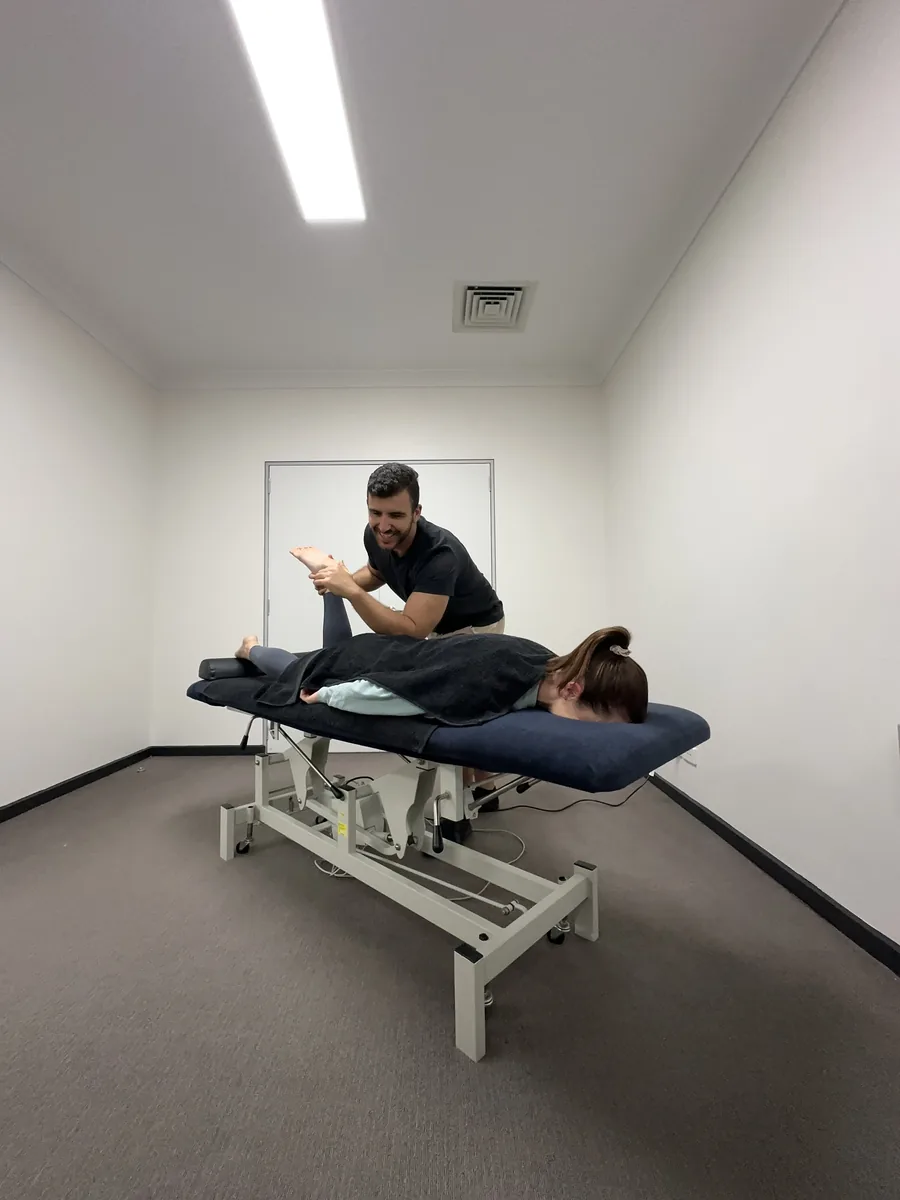
A soft, squashy swelling on the front of the knee, right over the kneecap, is usually prepatellar bursitis, traditionally called housemaid's knee. It's common in tradies, gardeners, grapplers and anyone who spends time kneeling.
What is knee bursitis?
A bursa is a thin, fluid-filled sac that lets skin and tendons glide over bone. The prepatellar bursa sits between the skin and the kneecap. When it's irritated, it fills with fluid and swells. Other bursae around the knee can be affected too, below the kneecap or on the inner side of the knee.
What causes it?
Repeated or prolonged kneeling is the most common cause, which is why it's seen in carpet layers, tilers, plumbers, gardeners and cleaners. A direct blow or fall onto the knee can trigger it. In jiu-jitsu and wrestling, time on the knees and knee-on-mat pressure are frequent causes. Less often it's due to infection, gout or inflammatory arthritis.
What does knee bursitis feel like?
A visible, soft swelling over the kneecap, like a small water balloon. It may be painless or tender, and is uncomfortable to kneel on. The knee joint itself usually moves normally, though full bending can feel tight.
How do I know if it's infected?
Infected (septic) bursitis needs prompt medical treatment. A literature review lists the signs that suggest infection: fever, the skin over the bursa being noticeably warmer than the other knee, and a break in the skin such as a graze or cut (Baumbach et al., Archives of Orthopaedic and Trauma Surgery, 2014). Redness, increasing pain and feeling unwell are other warning signs. If you have any of these, see a doctor the same day.
How is knee bursitis treated?
For non-infected bursitis, the review describes general measures: protection, rest from kneeling, ice, compression and elevation, anti-inflammatory medication where suitable, and sometimes draining the fluid. Surgery is reserved for severe, persistent or recurrent cases. Infected bursitis is treated with antibiotics.
Should it be drained?
Draining can relieve a large, tight bursa and allows the fluid to be tested for infection. It may refill. This is a decision for your GP or a sports physician.
Will it go away by itself?
Often. If you stop kneeling on it, the fluid is usually reabsorbed over two to six weeks. The bursa wall can remain a little thickened afterwards.
Is walking good for knee bursitis?
Yes. Walking doesn't put pressure on the bursa and is fine. It's kneeling, and deep bending that stretches the skin over the swelling, that aggravate it.
Can I keep working or training?
Usually, with protection. Use good knee pads or a kneeling mat, change position often, and avoid direct kneeling while it's swollen. Grapplers can use knee pads and favour positions off the knees for a few weeks.
See our post on BJJ knee injuries.
Does ice or compression help?
Ice for 15 to 20 minutes a few times a day and a compression sleeve or bandage can help reduce swelling.
How do I stop it coming back?
Protect the knees whenever you kneel: thick gel knee pads, a kneeling cushion, or a low stool. Break up kneeling tasks, and treat any grazes over the knee promptly to reduce infection risk.
How is it different from other knee swelling?
Bursitis is on top of the kneecap and outside the joint. Swelling inside the knee joint makes the whole knee puffy, especially above the kneecap, with stiffness when bending, and usually follows an injury or arthritis flare. Swelling behind the knee may be a Baker's cyst.
See our post on Baker's cysts.
What are the other types of knee bursitis?
Swelling just below the kneecap, over the tendon, is infrapatellar bursitis, also linked with kneeling. Pain and tenderness on the inner side of the knee a few centimetres below the joint is pes anserine bursitis, seen in runners and in people with knee osteoarthritis. These are managed in a similar way, by reducing the aggravating load and strengthening.
Can I exercise with knee bursitis?
Yes. Walking, cycling and most gym work are fine as long as nothing presses on the swelling. Skip kneeling exercises, such as kneeling lunges and some core work on the knees, or use thick padding, until it settles.
How can an osteopath help?
We examine the knee to confirm the swelling is in the bursa and not the joint, check for signs of infection that need a doctor, and advise on protection, activity and work. We'll refer you to your GP if drainage or further tests are warranted.
When should I see a doctor?
See a doctor the same day for a hot, red, painful swelling, fever, or a wound over the knee. See your GP for swelling that isn't settling after a few weeks, keeps returning, or if you have gout, diabetes or a weakened immune system.
See our knee and ankle pain guide. Book an assessment at our Berwick clinic. A 60-minute initial consultation is $149, with no referral needed and HICAPS on-site.
Sources
Book an initial consultation at RISE Sports & Spinal in Berwick. Clear diagnosis, hands-on treatment, and a plan that actually gets you better.
Related articles