Judo, wrestling and MMA injuries: what gets hurt and why
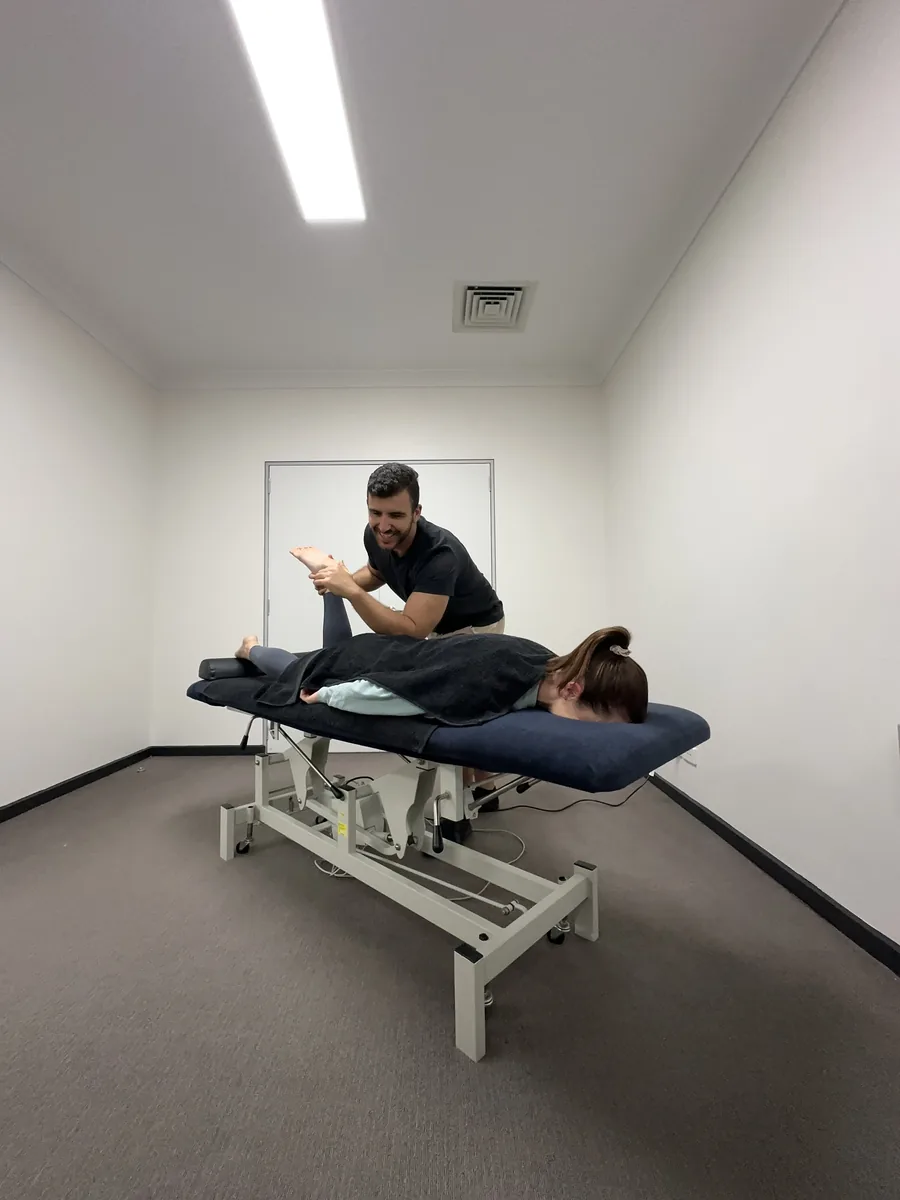
Grappling and mixed martial arts gyms are busy across Melbourne's south-east, and many people cross-train between judo, wrestling, BJJ and MMA. Each has its own injury pattern. Steven trains BJJ and treats martial artists from a range of styles.
What are the most common judo injuries?
A systematic review found sprains, strains and bruises were the most frequent judo injuries, usually affecting the knee, shoulder and fingers, and that being thrown was the most common way of getting hurt. Severe injuries were quite rare. Long-term problems typically affected the finger joints, lower back and ears (Pocecco et al., British Journal of Sports Medicine, 2013).
Why are throws the main cause of judo injuries?
Being thrown involves landing at speed, often with a partner's weight on top. Shoulders and collarbones are injured by landing on the point of the shoulder or an outstretched arm, and knees by twisting when a foot is planted during a throw attempt. Learning to breakfall well, and practising with controlled partners, makes a big difference.
What injuries are common in wrestling?
Wrestling involves repeated takedowns, sprawls and scrambles from standing. Knees, shoulders, ankles and the neck take much of the load, with sprains and strains the most frequent problems, along with skin infections and cauliflower ear. Shooting for takedowns and defending them puts particular stress on the knees and lower back.
What are the most common MMA injuries?
MMA adds striking. A meta-analysis of competition data found the head was by far the most commonly injured region (67% to 78% of injuries), followed by the wrist and hand, with cuts, fractures and concussion the most frequent types. Losers had about three times as many injuries as winners, and fights ending in a knockout or stoppage produced more than twice as many injuries as those ending in a submission (Lystad et al., Orthopaedic Journal of Sports Medicine, 2014). These are competition figures; training carries a different, mostly musculoskeletal, pattern.
How do these compare with BJJ?
BJJ takes most of its fights to the ground and has no striking, which removes most head trauma and many of the high-impact throws. A study of BJJ competitions concluded competitors were at substantially lower risk of injury than those in judo, wrestling, taekwondo and MMA (Scoggin et al., Orthopaedic Journal of Sports Medicine, 2014). Knees, shoulders and elbows remain the main concerns.
See our post on BJJ injury rates.
How can I reduce my risk in throwing and takedown sports?
Spend time on breakfalls until they're automatic. Drill throws and takedowns with cooperative partners before using them live. Avoid posting an arm to stop a fall. Match with partners of similar size where you can, and be careful when tired, as most injuries happen late in a session. Strength training for the legs, hips, trunk, neck and shoulders helps your body absorb impact.
What should I do after a head knock?
If you have any concussion symptoms after a blow or a hard landing, such as headache, dizziness, confusion, blurred vision, nausea, memory gaps or feeling 'off', stop training that day and see a doctor before returning. Returning to sparring should be gradual and only once symptoms have fully resolved. Call 000 for loss of consciousness, a worsening headache, repeated vomiting, seizures, increasing confusion, or weakness or numbness.
How should I manage a shoulder injury from a throw?
Pain on top of the shoulder after landing on it often means an AC joint sprain. A shoulder that looks deformed, or an arm you can't move, needs emergency care. Most AC sprains recover with a period of protection followed by strengthening and a gradual return to breakfalls and throws.
See our post on AC joint pain.
Can I train around an injury?
Usually. Technique drilling, positional work that avoids the injured area, and strength and conditioning can continue for most injuries. Communicate with your coach and partners, and avoid live takedowns and hard sparring until you've been cleared.
How can an osteopath help martial artists?
We assess and grade the injury, refer for imaging or medical review when needed, treat hands-on, and plan a staged return to drilling, takedowns and sparring. We also help with the recurring neck, back and shoulder stiffness that comes with years of grappling.
When should an injury be checked?
Book in for an injury that isn't improving after a week or two, a joint that feels unstable or keeps giving way, or pain that changes how you train. Get urgent care for a deformed joint, severe neck pain after a throw or slam, numbness or weakness in the arms or legs, or any worrying symptoms after a head knock.
See our guide to martial arts and BJJ injuries and our post on Muay Thai and boxing injuries. Book an assessment at our Berwick clinic. A 60-minute initial consultation is $149, with no referral needed and HICAPS on-site.
Sources
Book an initial consultation at RISE Sports & Spinal in Berwick. Clear diagnosis, hands-on treatment, and a plan that actually gets you better.
Related articles