HYROX injuries: what gets hurt and how to prevent it
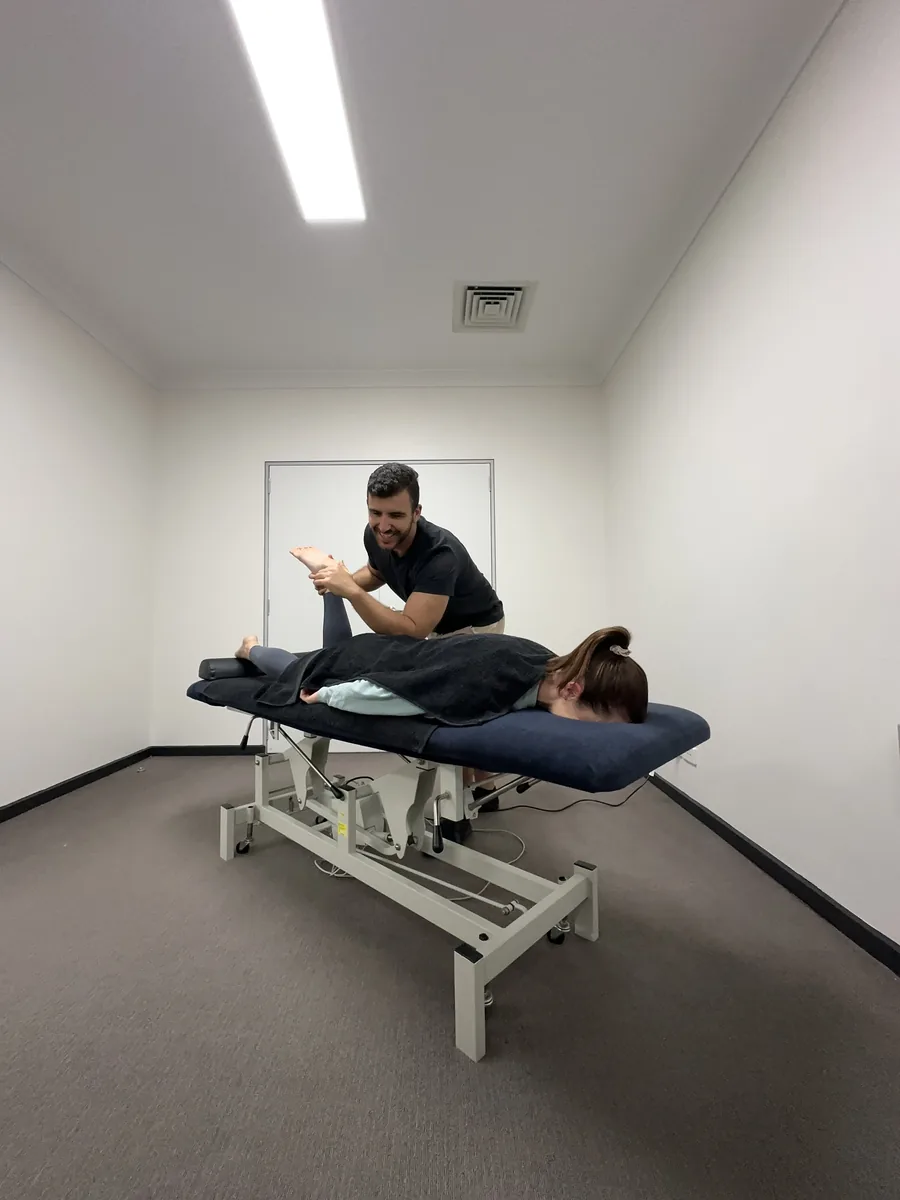
HYROX has taken off across Melbourne's gyms, including around Casey, and we're seeing more HYROX athletes at the clinic. The format, eight 1 km runs broken up by functional stations like sled push and pull, lunges, rowing and wall balls, creates a particular injury pattern. Here's what the research shows and how to train without breaking down.
Is HYROX injury prone?
Injuries are common but mostly the overuse kind. A 12-week study following HYROX athletes found health problems were frequent and dominated by overuse injuries, with the lower limb carrying most of the burden, consistent with the running load. Shoulder problems were almost absent, which sets it apart from other high-intensity programs. Only half of problems caused missed training, so athletes often train through niggles (Chittenden et al., Frontiers in Sports and Active Living, 2026).
For comparison, research on CrossFit, the closest cousin, suggests its injury risk is comparable to or lower than many common forms of exercise and strength training, with the shoulder the most common site there (Klimek et al., Journal of Sport Rehabilitation, 2018).
What are the most common HYROX injuries?
Expect running-type overuse injuries: Achilles and calf problems, shin pain, knee pain around the kneecap or patellar tendon, and hip and lower back soreness. Lunges and wall balls add load to the knees and quads, while sled work loads the calves and lower back. Grip-heavy stations and rowing can flare elbows and forearms.
Our posts on Achilles tendinopathy, shin splints and knee pain when squatting go into those in more detail.
How do you prevent HYROX injuries?
Most of it comes down to load. Research across sport shows that sharp spikes in training load are what drive injuries, while consistently building up to high training loads can actually protect athletes (Gabbett, British Journal of Sports Medicine, 2016). In practice: build your weekly running volume gradually rather than jumping straight to race distance; don't add sled, lunge and wall ball volume all in the same week; keep at least one easy day between hard sessions; and include strength work for calves, quads, hips and trunk.
Should I train through pain before a HYROX event?
Mild discomfort that settles within a day and isn't building week to week is usually fine to train around, with some modification. Pain that changes how you run, lingers into the next day, or keeps getting worse is worth getting assessed early, ideally well before race day, so there's time to adjust your plan rather than pull out.
When should you stop during a session?
Stop and call 000 if you have chest pain or pressure, feel faint or dizzy, or are unusually short of breath. After a brutal session, if your muscles are severely painful and swollen and your urine turns dark brown, see a doctor urgently, as this can be a sign of muscle breakdown (rhabdomyolysis).
We see a lot of gym and HYROX athletes at RISE. We'll work out what's irritated, treat it hands-on, and adjust your training so you still get to the start line. Book an assessment at our Berwick clinic. A 60-minute initial consultation is $149, with no referral needed and HICAPS on-site.
Sources
Book an initial consultation at RISE Sports & Spinal in Berwick. Clear diagnosis, hands-on treatment, and a plan that actually gets you better.
Related articles